

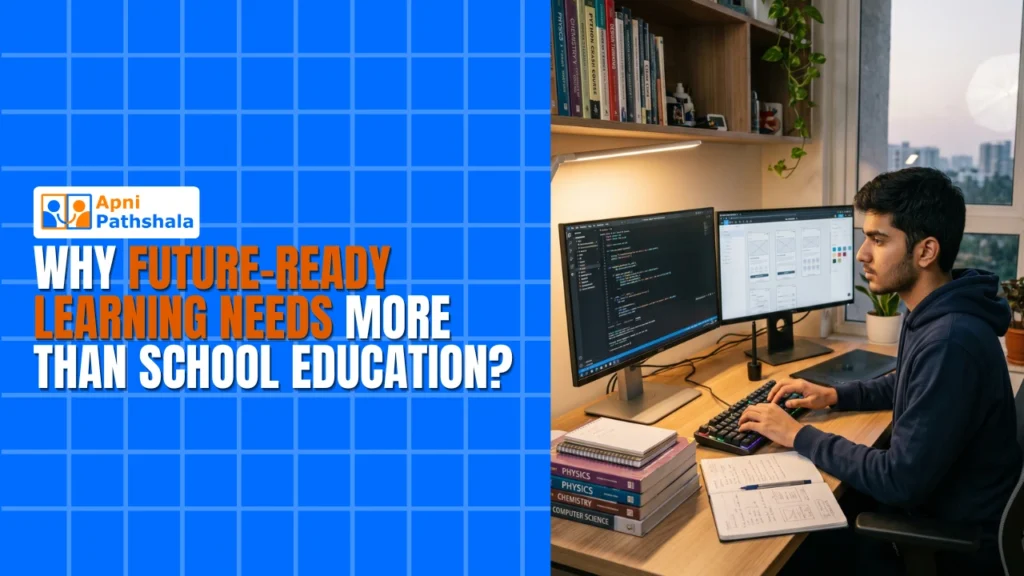
Most Indian parents measure success by report cards. But report cards don’t tell you whether a child knows how to solve a real problem, use a computer confidently, or learn something new on their own without being told to. These are the things that matter after school ends. Building future-ready skills starts before graduation, and it requires more than what any classroom, however good, can offer alone.
The Modern Education System: Its Capabilities and Limitations
The modern education system in India is genuinely improving. NEP 2020 pushes for skill-based learning. CBSE updates its curriculum. More schools are adding digital tools, activity-based modules, and project work. These changes are real, and they matter.
But there is a structural truth that no policy can fully fix: schools are designed to deliver the same content to large groups of students, at a fixed pace, within fixed hours. That model works for building foundations, literacy, numeracy, core science, and social studies. It cannot work for the kind of personalized, exploratory learning that builds real-world capabilities.
A student who wants to learn basic coding, edit a short video, practice public speaking, or understand how to manage money cannot do all of that within a six-hour school day. The curriculum doesn’t have space for it. Teachers, however dedicated, cannot personalize every learning path when there are forty students in the room.
According to UNESCO global education research, the most effective education systems combine structured classroom instruction with independent, self-directed skill-building. India’s highest-performing students are already doing this kind of learning. The challenge is making that same opportunity available to every student, not just those in well-resourced homes.
The Digital Skills Every Student Needs to Build Right Now
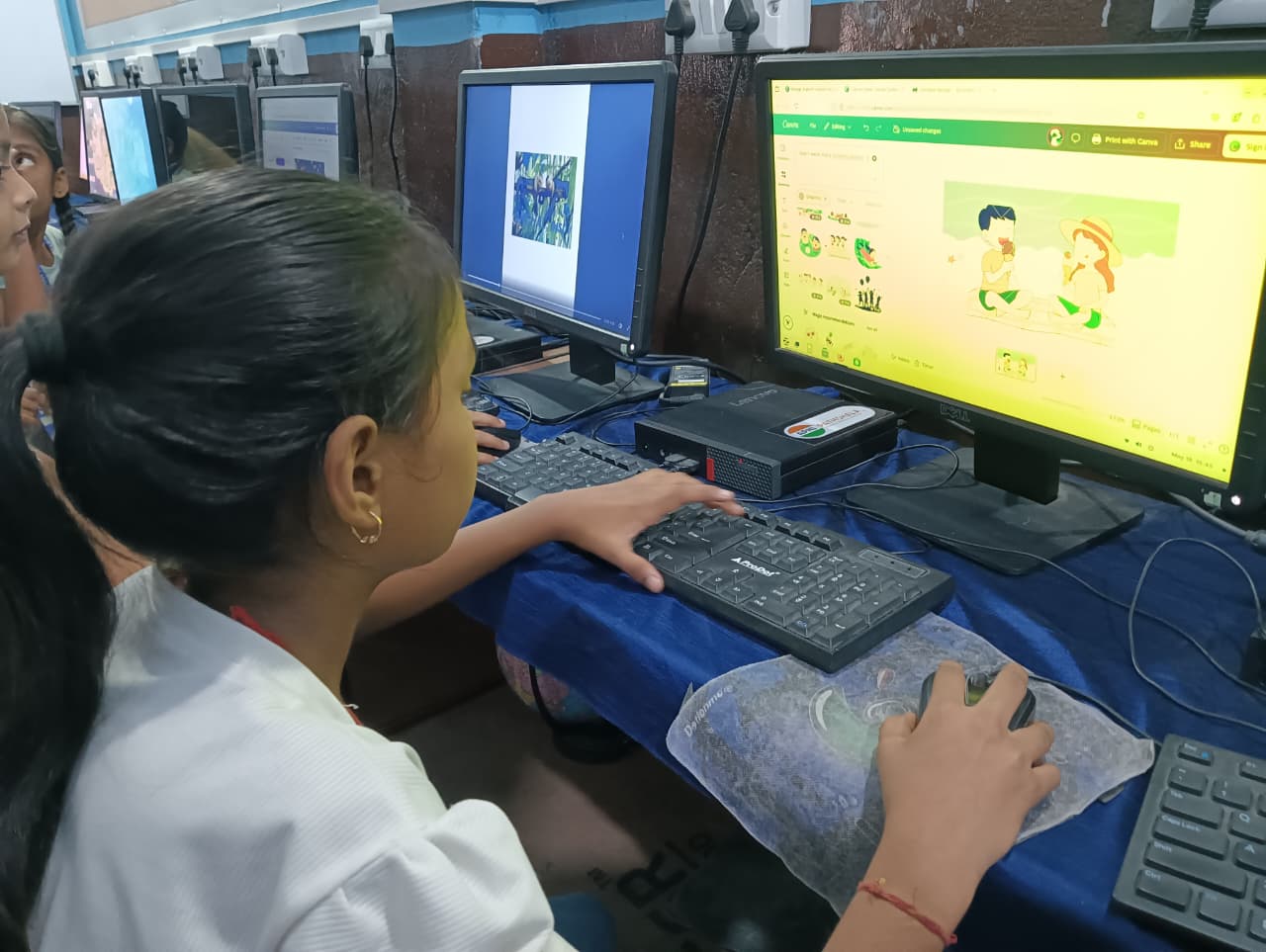
When we talk about digital skills for students in 2026, we are not describing something advanced or reserved for engineering aspirants. These are baseline capabilities that employers, colleges, and daily life already expect from anyone entering adulthood.
Here is what that looks like in practice:
-
- Finding and verifying information—knowing where to search, and whether to trust what you find
-
- Basic computer proficiency — managing files, writing documents, using spreadsheets, sending professional emails
-
- Communication through technology — writing clearly online, applying for opportunities, following up professionally
-
- Learning independently — watching a tutorial, following instructions, solving a problem without waiting for someone to explain it
-
- Working with tools — using free platforms for design, coding, productivity, or content creation
None of these activities require expensive coaching. Platforms like DIKSHA India’s national digital learning platform, already offer thousands of free learning resources in regional languages, available to any student with a device. The content exists. The barrier is access-consistent, private, daily access to a personal computer.
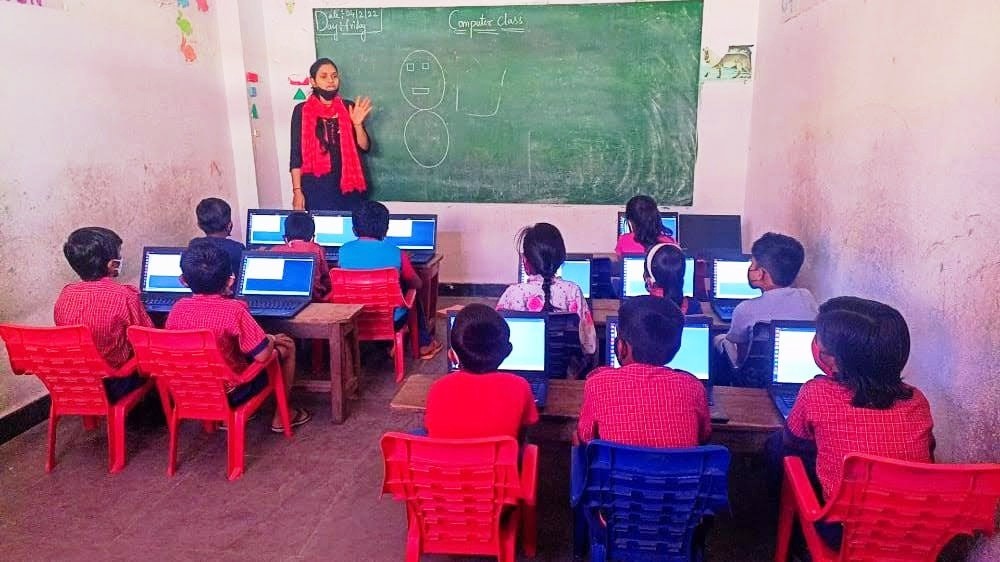
Sharing a phone between three family members does not build digital habits. Using the school lab for one period a week does not build confidence. These skills need daily practice, and daily practice needs a device that belongs to the student.
Why Is Learning Beyond the Classroom Where Real Growth Happens?
Learning beyond the classroom is not about extra tuition or coaching centres. It is about those three to four hours every evening when a student has a genuine choice between passive entertainment and active self-improvement.
A student who uses that time to practise typing, read something they find genuinely interesting, complete an online module, or experiment with a free tool is building exactly the habits that universities and employers value. Not because they were told to, but because they chose to. That choice is what separates students who are ready for the future from students who are still waiting for someone to prepare them.
Self-directed learning needs two things: curiosity and a place to act on it. Most students already possess curiosity; it simply requires space to flourish. The place, consistently, is a personal computer.
This is the gap Apna PC is built to fill. What is Apna PC, and how does it help Indian students? It is an affordable educational computer designed for families in Tier 2 and Tier 3 cities, priced at ₹21,000 (shipping and GST excluded). Not a shared device. This device is not a phone; it has a small screen and limited storage. A personal machine the student owns, uses daily, and grows with.
Understanding how a personal computer helps students learn beyond the school curriculum shows that it is not just about access to content; it is about access to practice. Quiet, daily, self-directed practice that school, given its structure, simply cannot provide in the hours it has.
Future-readiness is not a subject on the syllabus. It is a habit. And habits are built at home, in the evenings, on a device that is yours.
If you want your child to build real skills, not just better marks, the time to start is now. Visit apnapc.com to learn more.