


When Diwali Breaks Your Child’s Study Schedule
Ravi’s mother, Priya, sat at her kitchen table in Indore last October, staring at her son’s report card. His marks had dropped from 78 to 64 in just two months. She knew exactly when it happened: right after the summer holidays ended, then again during Diwali season. Ravi’s daily routine had crumbled like the firecrackers outside their window. He spent mornings sleeping in, afternoons playing with visiting cousins, and evenings watching movies instead of studying. By the time Diwali ended, he had fallen two chapters behind in mathematics. Priya realised that festivals and school breaks were not the problem. The real issue was that Ravi had no plan to return to.
This story plays out in thousands of Indian homes every year. Your child’s study schedule is fragile during holidays. Festivals bring joy, family time, and celebration, but they also disrupt daily life. When your child steps away from regular classes, the mind loses its rhythm. Books stay closed. Notebooks gather dust. The structure that school provides vanishes overnight.
Why Your Child’s Study Schedule Falls Apart During Holidays
During festivals and school breaks, your child faces a sudden shift in environment. There is no bell ringing at 9 AM. No teacher calling roll. No peer pressure to finish homework. Your child’s brain stops expecting learning activities at fixed times.
The first week feels like freedom. By week two, the habit weakens. By week three, returning to their normal routine feels like starting from zero. This is not laziness. This is how human brains work. Routines need consistency to stick.
Holiday learning suffers because:
- Time feels unlimited: When there is no school, your child thinks there is infinite time to study. This leads to procrastination. Tasks get pushed to the last day.
- Family distractions multiply: Relatives visit. Festivals demand participation. Your child’s attention splits between studying and celebrations.
- The mind loses momentum: Regular school days create academic consistency. Holidays break that chain. Restarting takes effort.
- Screen time increases: Without school structure, your child reaches for phones and tablets. Online content feels easier than textbooks.
Understanding these challenges helps you plan better. You can not eliminate holidays, but you can manage them smartly.
How to Maintain Academic Consistency During Festivals
The key to protecting your child’s daily routine is planning before the break starts. Do not wait until Diwali arrives. Do not wait until the last week of summer vacation.
Start your back-to-school routine three days before the holiday ends. This sounds early, but it works. Your child’s mind needs time to shift gears. If you suddenly demand full academics on the first school day, resistance builds.
Here is what you can do:
- Create a holiday study plan: Your child does not need to study for 6 hours during breaks. Even 90 minutes daily maintains the habit. Set fixed timings: say, 9 AM to 10:30 AM. This keeps academic consistency alive.
- Mix learning with fun: Let your child read stories instead of textbooks. Let them watch educational videos. Holiday learning does not mean rigid classroom-style studying. It means keeping the mind engaged with academics.
- Involve your child in planning: Ask your child what subjects need practice. Let them choose study materials. Ownership increases compliance. Your child will follow a plan they helped create.
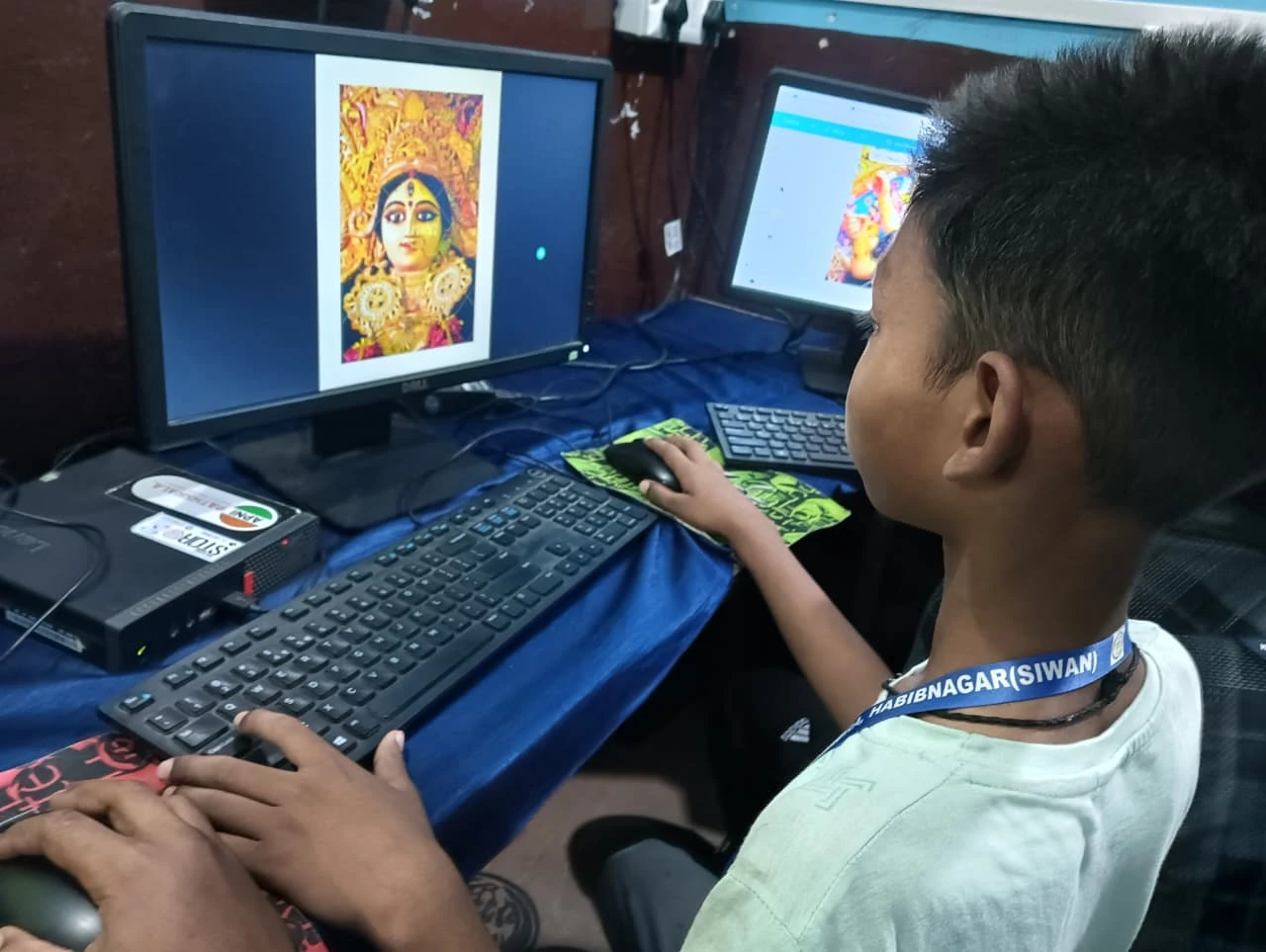
- Use technology wisely: A home computer with educational software can make holiday learning feel less like punishment. how a home computer supports your child focus during breaks is worth exploring. The Apna PC comes pre-loaded with tools that help maintain academic consistency.
Preparing for the Back-to-School Routine
The back-to-school routine is not just about buying new uniforms and stationery. It is about rebuilding your child’s study schedule from the ground up.
Start three days before school reopens. Gradually shift your child’s sleep time. If they have been sleeping at 11 PM, move bedtime to 10:30 PM on day one, 10 PM on day two. By day three, they should be back to their school sleep cycle.
Reintroduce study time slowly. Day one: 60 minutes. Day two: 75 minutes. Day three: 90 minutes. By day four, when school starts, studying for 2-3 hours feels normal again.
Talk to your child about why this matters. Explain that holidays are for rest, but the mind still needs exercise. Online learning and study habits can help you understand modern ways to keep your child engaged. Understanding the role of school in child development shows why consistency matters beyond just grades.
Tools That Help Maintain Your Child’s Study Schedule
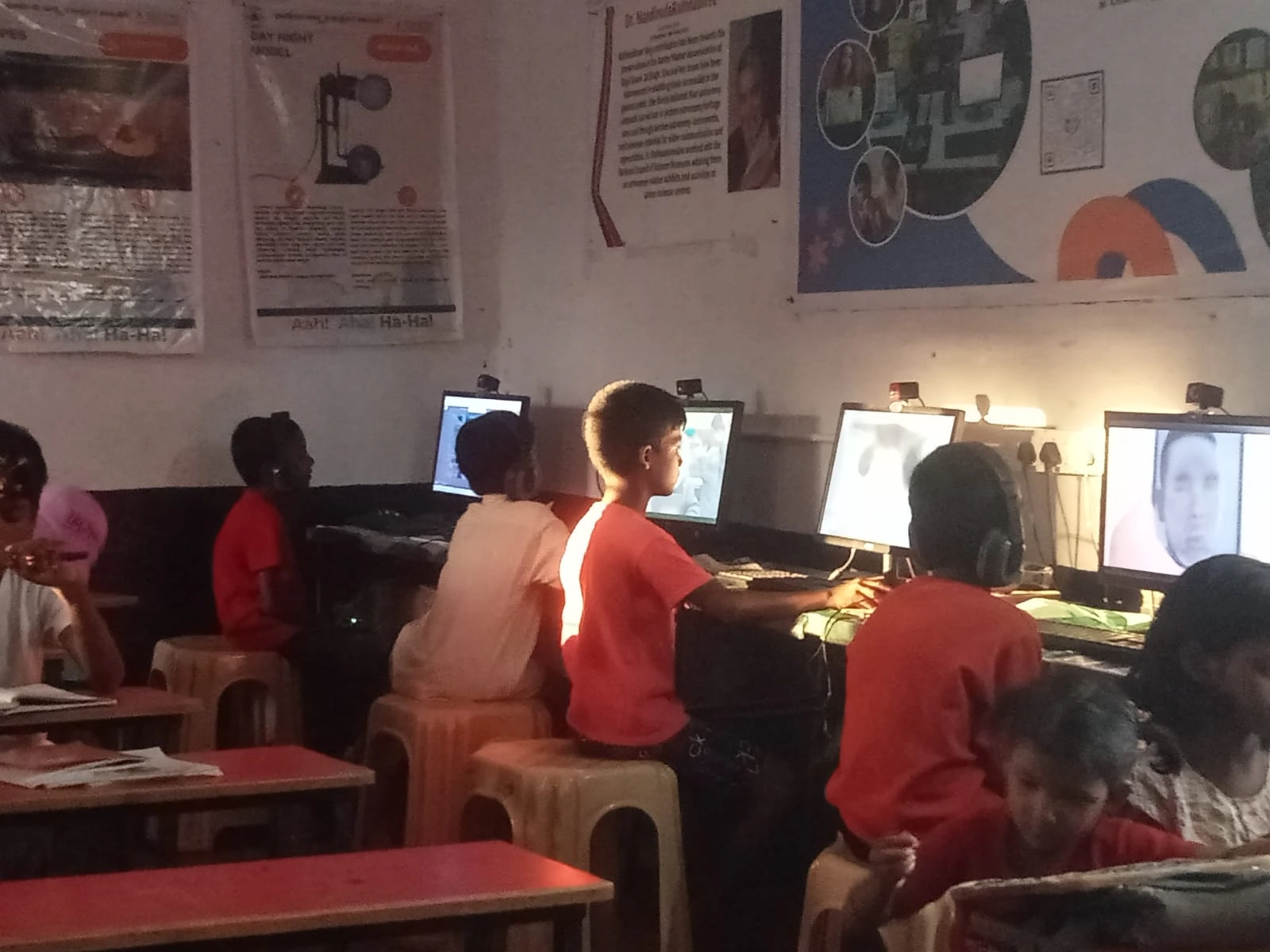
You can not force your child to study. But you can create an environment where studying feels natural. A dedicated study space makes a difference. A learning device helps even more.
The Apna PC is built for this purpose. It costs Rs. 30,000 and comes preloaded with Zorin OS, Apni Prerna for student monitoring, and tools such as LibreOffice and Scratch. The 8GB RAM and 128GB SSD ensure smooth performance for educational apps. Most importantly, it is free from the distractions of a regular computer.
When your child sits at the Apna PC, the environment signals: this is time for learning. No games. No social media. Just focused study. During holidays, this device helps your child stay on track without your constant reminders.
Check the India Ministry of Education guidelines on recommended study hours for different age groups. Aligning your child’s study schedule with these standards gives them a head start.
Real Steps for Your Family Starting Today
Do not wait for the next holiday to plan. Start building these habits now.
Week 1: Decide on your child’s daily study routine. Write it down. Stick it on the wall. Make it visible.
Week 2: During the next break, follow this plan for at least 5 days. Your child will resist. Persist anyway. After 5 days, the habit becomes easier.
Week 3: Evaluate what worked and what did not. Adjust the routine accordingly.
The goal is not perfection. The goal is consistency. Small, regular studying beats long, irregular cramming sessions every time.
Your child’s education is a marathon, not a sprint. Festivals will come and go. School breaks will happen multiple times a year. But a strong daily habit, maintained even during holidays, keeps your child ahead. The investment you make today in building this habit pays dividends for years.
Apna PC makes this journey easier by providing a focused learning environment. Visit apnapc.com to learn more.