

An exit ticket catches mistakes before an exam does by asking your child 2-3 quick questions at the end of a lesson to check what they actually understood. Gaps show up the same day, so teachers and parents can fix them long before exam results reveal them.
For example, a student who studies every day might still score poorly in a half-yearly maths exam because small misunderstandings went unnoticed for weeks. Daily exit tickets make those gaps visible early.
What is an exit ticket and why does it matter?
An exit ticket is a quick check-in at the end of a lesson, not a physical ticket. Your child answers 2-3 questions before leaving class or logging off from online learning, and the answers show gaps in understanding right away.
These questions are not graded harshly. They work like a mechanic’s check before you leave the garage: problems are caught while there is still time to fix them.
Many students only discover misunderstandings after the exam. Exit tickets flip this, so your child gets feedback the same day they learn something. For background on how schooling is organised here, see education in India.
- Immediate feedback: your child knows what they do not understand before forgetting the lesson.
- Teacher adjustments: teachers see which concepts need re-teaching before moving on.
- Parent visibility: you know exactly what to help with at home, not just “study more.”
- Confidence building: daily recall practice helps your child remember more.
How do exit tickets help with exam success?
Exams test whether your child can recall what they learned, and exit tickets practise exactly that. This is called retrieval practice: pulling information from memory rather than re-reading notes.
Recalling from memory is harder than re-reading, but it is more effective, because each recall strengthens the memory. By exam time, your child has practised remembering the material many times over.
You can support this at home. Ask, “What was the trickiest question on today’s exit ticket?” and have your child explain it without looking at notes. The Ministry of Education site is a useful reference on school assessment in India.
When should you start using exit ticket results for revision?
Start early and review results every week. Do not wait until the exam is two weeks away, when fixing gaps becomes rushed and stressful.
Weekly reviews turn exit tickets into a revision plan: each week, your child revisits the topics they struggled with. Start your child’s exam revision early using these results.
What can parents do right now?
Talk to the teacher, ask for results and practise the same format at home.
- Ask the teacher about exit tickets. If they are not used yet, suggest them. A teacher can ask three questions at the end of class and review answers in 10 minutes.
- Ask to see the results. Just ask, “Which concepts did my child struggle with this week?” and focus home study on those areas.
- Practise at home. Use retrieval practice in the same format, asking your child to solve problems from memory rather than copying textbook examples.
How can technology make exit tickets easier at home?
A computer lets your child answer questions on screen while you track which topics need work. If the school does not use exit tickets yet, you can start at home.
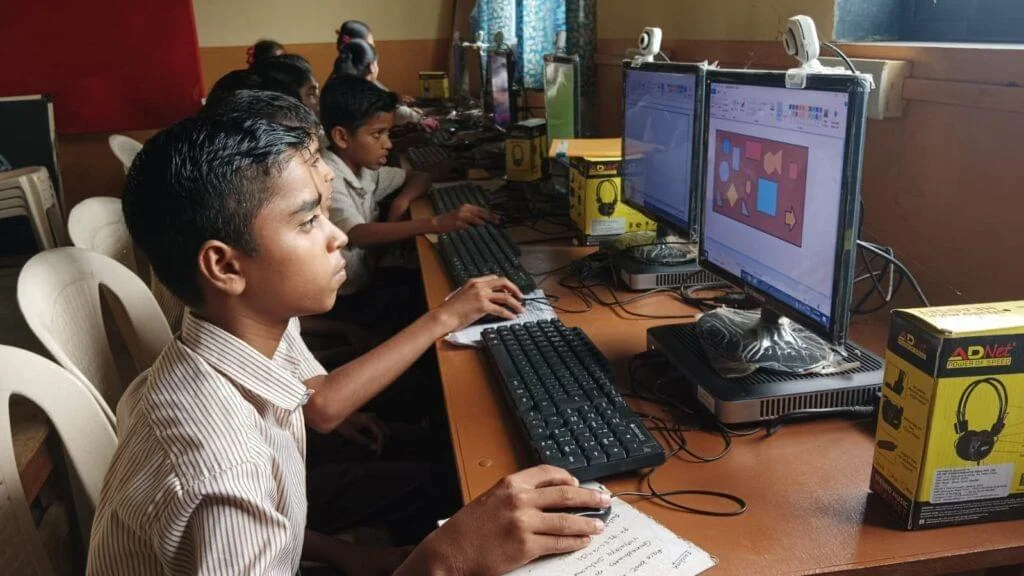
Apna PC comes with Apni Prerna, a student monitoring system that helps you see what your child is learning and where they need support. With 8GB RAM and a 128GB SSD, it runs educational software smoothly. At Rs.30,000 (shipping and GST excluded), it supports daily practice so there are fewer surprises on exam day. Learn more about the Apna PC and Eklavya learning setup.
Why do exit tickets work better than last-minute cramming?
They follow how learning actually happens: daily practice, immediate feedback and regular recall. Gaps get fixed within days instead of piling up for weeks.
Start this week. Ask the teacher about exit tickets or create simple questions at home, and track the results over four weeks. You will see which topics your child has mastered and which still need work.
Frequently Asked Questions
How many questions should a home exit ticket have?
Keep it to 2-3 questions on the day’s main topic. That is enough to show whether your child understood the lesson without turning it into another test. Include one question that asks them to explain an idea in their own words, not only recall a fact.
Should exit tickets be marked or graded?
Not harshly. Their purpose is to reveal gaps, not rank your child. Note which answers were wrong or unclear and use those as the focus for the next study session. If children fear marks, they may guess or copy, which hides the very gaps you want to find.
What if my child keeps getting the same exit ticket questions wrong?
That is useful information. It shows a concept that has not clicked yet. Go back to the chapter together, try a different explanation such as a video or diagram, and ask the question again a few days later to check whether it has stuck.
Your child’s exam success depends on catching mistakes early, not last-minute cramming. Visit Apna PC to learn more.