

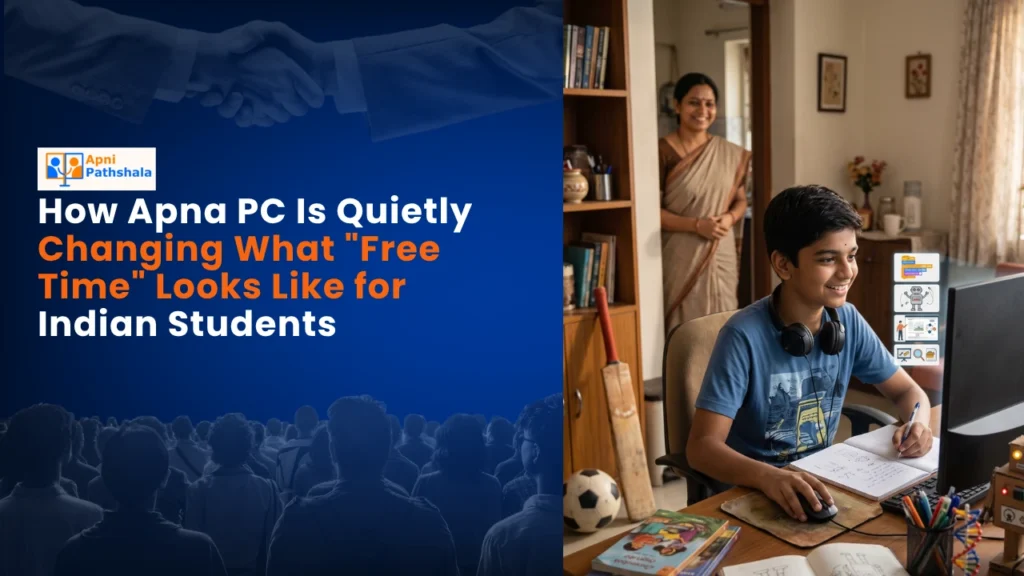
Free time for Indian students has traditionally meant one thing: stepping away from books and screens. But that narrative is changing, quietly and steadily, thanks to devices designed with learning at their core. An educational PC isn’t just another gadget collecting dust in your child’s room. It’s a tool that transforms downtime into meaningful skill-building, creativity, and genuine curiosity. At just Rs.21,000, Apna PC makes this transformation accessible to families across India who want their children to thrive in an increasingly digital world.
What Makes an Educational PC Different?
Parents often worry about screen time. The concern is valid. But here’s what matters more: what happens on the screen. A standard computer can be anything. A distraction machine or a learning hub. An educational PC is purpose-built for the latter. It comes pre-loaded with curated learning content, parental controls, and interfaces designed for young learners.
Unlike tablets or smartphones, a dedicated learning computer offers a proper workspace. Your child sits upright, uses a keyboard and mouse, and develops genuine computer literacy skills that will serve them throughout their academic and professional lives. These are skills the India Ministry of Education increasingly emphasises as essential for 21st-century learners.
Productive Screen Time: The Real Game-Changer
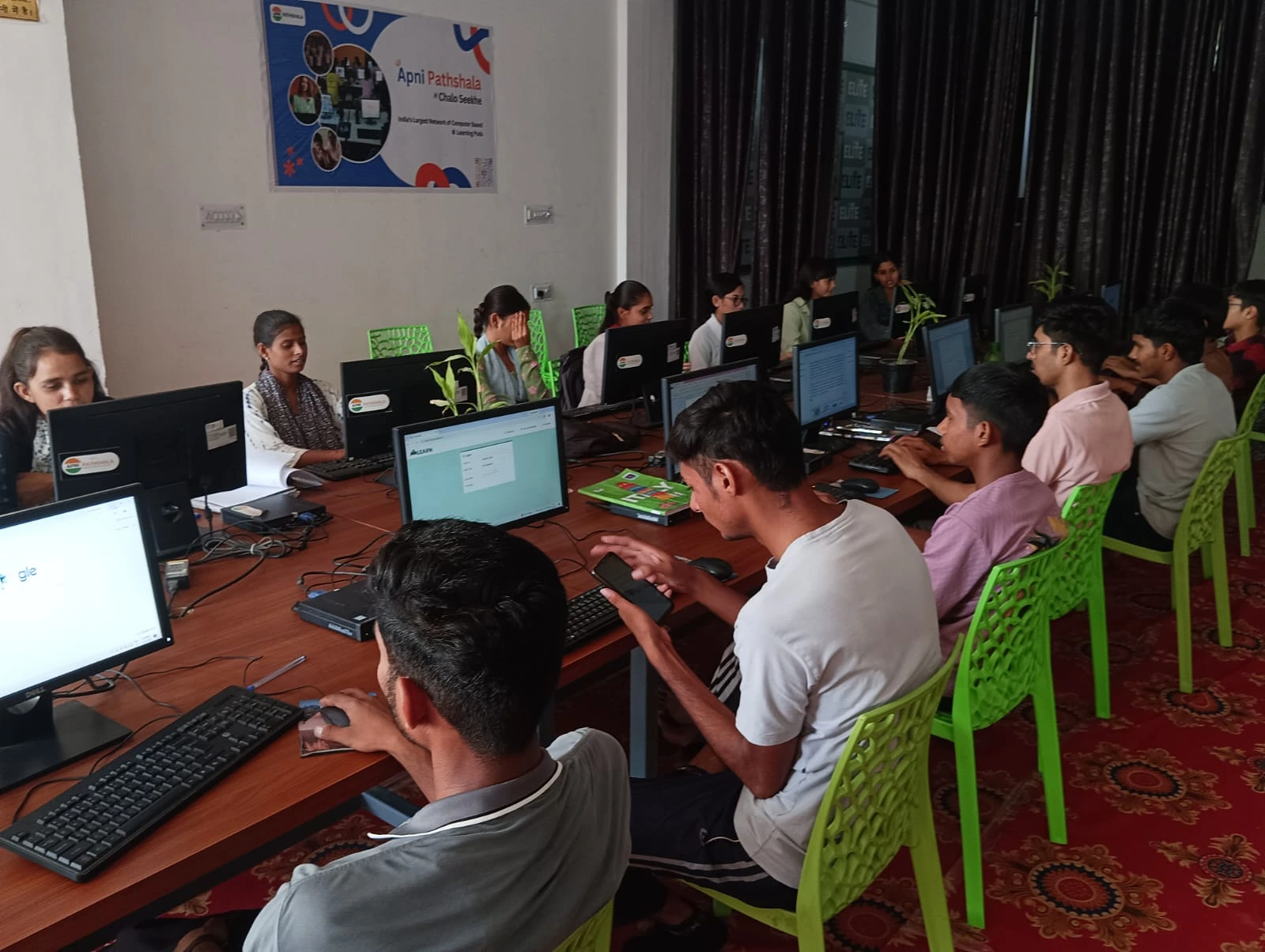
Productive screen time isn’t about limiting hours. It’s about maximising value within those hours. With the right setup, your child can code, create digital art, research projects, develop presentations, and collaborate with peers online. These aren’t passive activities. They’re active, creative, and directly tied to school success.
Your child might spend an hour building a simple game in Scratch, learning the basics of Python, or creating a multimedia project for their history assignment. That’s an hour of genuine skill development. Compare that to scrolling social media on a phone, and the difference becomes stark.
The Digital India initiative recognises that digital literacy isn’t optional anymore. It’s foundational. Apna PC bridges the gap between aspiration and access, ensuring your child isn’t left behind in an increasingly digital India.
Learning Activities for Kids That Actually Stick
When your child has access to a proper learning computer, they naturally gravitate toward learning activities that engage their interests. A student interested in science can watch interactive tutorials, run virtual lab simulations, or follow step-by-step coding projects. A budding writer can use professional writing tools, publish online, and get feedback from communities.
These aren’t forced learning moments. They’re self-directed exploration. Research consistently shows that self-directed learning creates deeper, longer-lasting knowledge retention than passive consumption.
For families already exploring options, our guide on home study computer focus offers practical insights into setting up a dedicated learning space that maximises productivity and minimises distractions.
Affordability Meets Quality in Educational PC Design
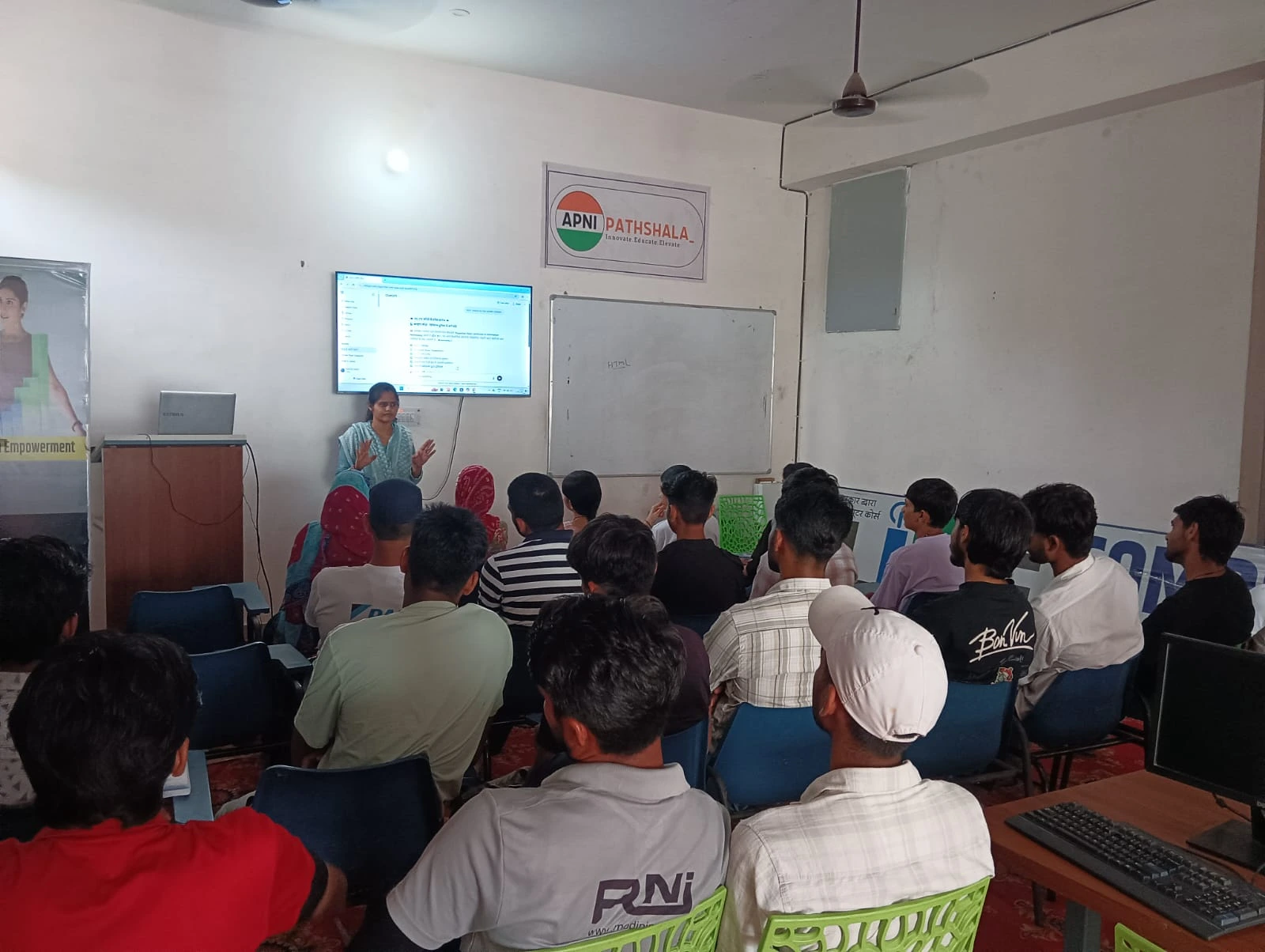
The biggest barrier to digital access in India has always been cost. Premium laptops and computers put digital literacy out of reach for millions of capable students. Apna PC changes that equation. At Rs.21,000, it’s positioned between a smartphone and a traditional laptop, offering the functionality of the latter at a fraction of the cost.
This price point isn’t a compromise on quality. It’s smart engineering focused on what students actually need: reliable processing power, long battery life, and software that supports learning without unnecessary bloat.
Beyond Academics: Building Confidence and Skills
When your child has their own educational PC, something shifts psychologically. They feel trusted with a real tool. They develop independence in problem-solving, learn to navigate digital spaces safely, and build confidence in their technical abilities.
These soft skills- self-reliance, digital citizenship, creative problem-solving- matter as much as academic performance. They’re the skills employers look for, and they develop naturally when students have space to explore and create.
If you’re considering this investment for your family, explore our resources on families looking for a child learning device to understand how Apna PC fits into your household’s learning goals.
Free time doesn’t have to mean wasted time. Having an educational PC at home is an opportunity. Visit apnapc.com to learn more about how your child can transform their screen time into genuine skill-building and academic success.