


The world has transformed dramatically over the past decade. Today’s children grow up surrounded by smartphones, tablets, and countless digital platforms. As a parent, you’re navigating uncharted territory, balancing the benefits of technology with the need to protect your child’s well-being. Welcome to the era of digital parenting, where traditional parenting wisdom meets modern technological challenges.
Understanding Digital Parenting in Today’s Context
Digital parenting goes beyond simply monitoring screen time. It encompasses teaching children how to navigate the digital world safely, responsibly, and productively. Future-ready parenting recognises that technology isn’t going away; it’s becoming increasingly central to education, career opportunities, and social connection.
According to recent studies, children who develop strong digital literacy skills early gain significant advantages in their academic and professional futures. However, without proper guidance, excessive or unsupervised technology use can lead to developmental concerns, reduced focus, and social challenges.
The key to effective digital parenting is finding the right balance. You’re not trying to eliminate technology from your child’s life; rather, you’re teaching them to use it as a powerful tool while maintaining healthy boundaries.
The Pillars of Future-Ready Parenting
1. Building Digital Literacy and Skills
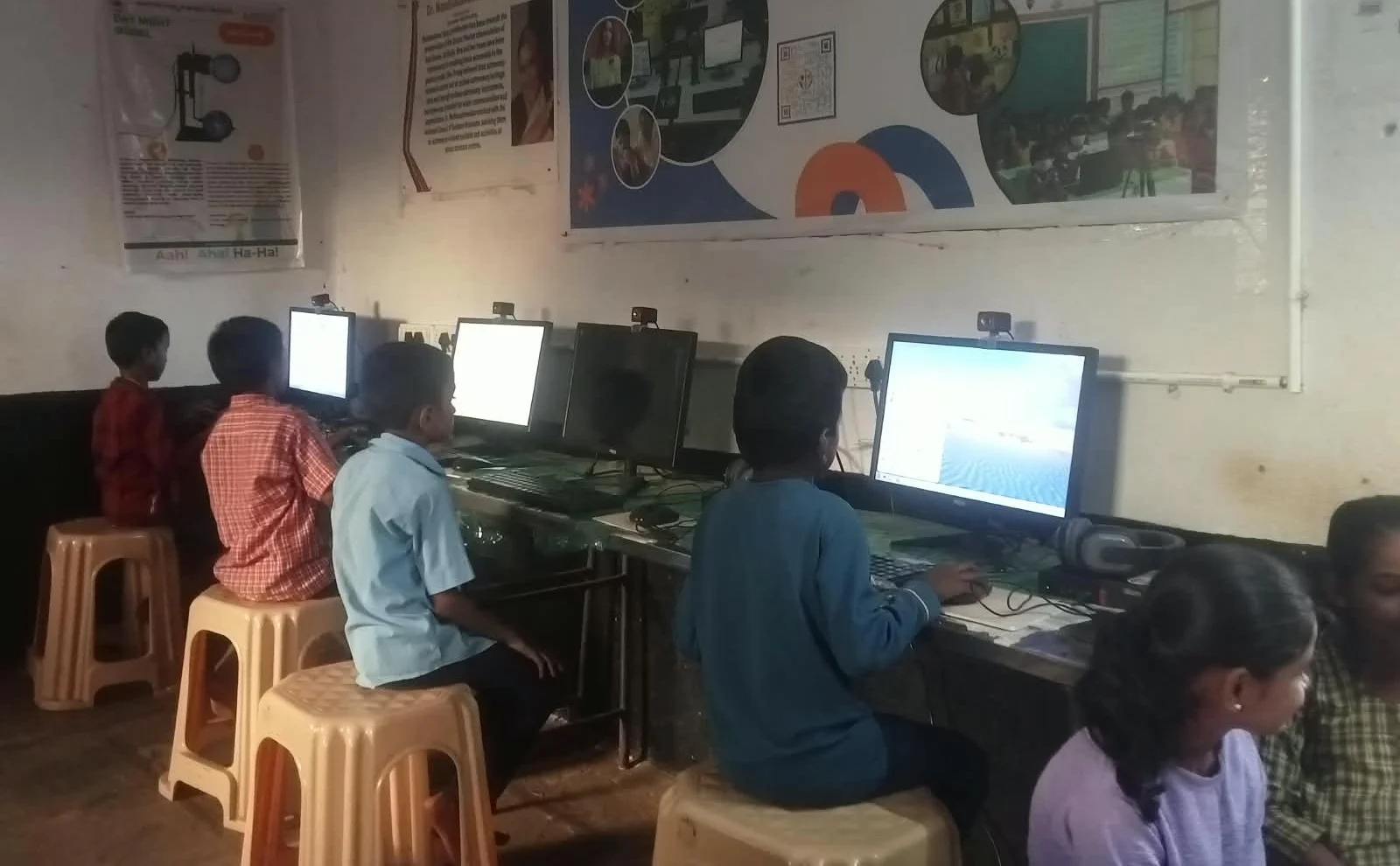
Future-ready parenting means ensuring your child develops genuine digital skills—not just knowing how to use apps, but understanding how technology works, how to solve problems with it, and how to create rather than consume.
Resources like the DIKSHA digital learning platform offer excellent opportunities for children to develop structured digital skills through interactive learning modules. These platforms help bridge the gap between traditional education and the digital competencies today’s jobs demand.
Encourage your children to:
- Learn basic coding or programming concepts.
- Understand digital security and privacy.
- Develop research skills using online resources effectively.
- Create content rather than passively consuming it.
2. Establishing Healthy Technology Boundaries
One of the most challenging aspects of digital parenting is setting appropriate limits. Future-ready doesn’t mean always-connected. In fact, research shows that children benefit from regular breaks from screens, outdoor play, and face-to-face social interaction.
Create a family technology agreement that includes:
- Designated screen-free times (meals, bedtime, family activities)
- Age-appropriate content guidelines
- Device-free zones in your home
- Regular check-ins about online activities
These boundaries aren’t restrictive; they’re protective. They help children develop self-regulation skills and maintain healthy relationships with technology.
3. Teaching Digital Citizenship and Online Safety
Digital parenting requires conversations about online behaviour, cyberbullying, and digital footprint. Your child’s online actions today can have lasting consequences, so teaching responsible digital citizenship is crucial.
Discuss with your children:
- The permanence of online content
- The difference between online and offline behaviour
- How to recognise and report cyberbullying
- Privacy settings and personal information protection
- The importance of respectful online communication
4. Modelling Healthy Tech Habits
Children learn more from what you do than what you say. If you’re constantly checking your phone during family time, your child will replicate that behaviour. Future-ready parenting starts with examining your own relationship with technology.
Model the behaviours you want to see:
- Put your phone away during conversations.
- Engage in screen-free activities regularly.
- Demonstrate critical thinking about online information.
- Show how to use technology purposefully, not habitually.
The Role of Education Systems
Fortunately, educational institutions are recognising the importance of digital skills. The Indian Ministry of Education has implemented initiatives to integrate digital literacy into school curricula, ensuring that formal education keeps pace with technological advancement.
However, schools alone cannot prepare children for the digital future. Parents play an equally vital role in reinforcing these lessons at home and ensuring children understand how to apply digital skills in real-world scenarios.
Technology and Children: Finding the Balance
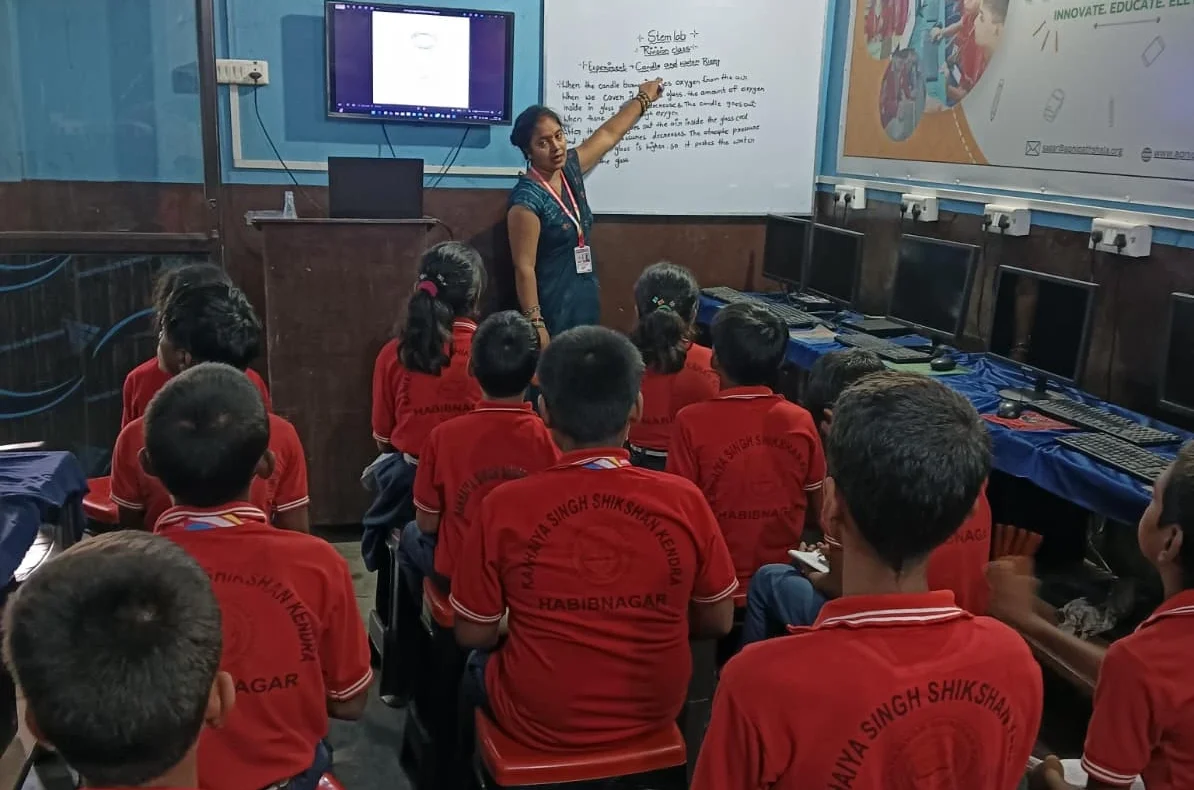
The relationship between technology and children is complex. While excessive screen time can lead to attention problems and sleep disruption, strategic use of technology can enhance learning, creativity, and problem-solving skills.
Future-ready parenting involves:
Curating Quality Content: Not all digital content is created equal. Seek out educational apps, platforms, and websites that align with your child’s age and learning goals. Apna PC offers resources and guidance to help parents navigate technology decisions.
Encouraging Creative Use: Rather than passive consumption, encourage your child to use technology creatively. Whether it’s making videos, writing blogs, coding simple programs, or designing digital art, creative engagement develops greater skills and confidence.
Maintaining Real-World Skills: Digital skills complement, not replace, essential life skills. Ensure your child still develops strong communication abilities, physical fitness, artistic expression, and emotional intelligence.
Preparing for an Uncertain Future
We cannot predict exactly what the job market will look like when today’s children enter the workforce. However, we know digital literacy will be fundamental. Future-ready parenting means equipping your child with:
- Adaptability and comfort with technological change
- Critical thinking to evaluate digital information
- Creativity to solve problems with technology
- Emotional intelligence to maintain human connections
- Resilience to handle digital challenges and failures
Practical Steps to Start Today
Begin implementing future-ready parenting strategies immediately:
1. Audit Current Usage: Track how much time your child spends on different devices and content types. This baseline helps you make informed decisions.
2. Create a Family Tech Plan: Involve your children in developing guidelines. They’re more likely to follow rules they helped create.
3. Explore Educational Platforms: Research quality digital learning resources aligned with your child’s interests and learning style.
4. Stay Informed: Keep learning about new technologies, apps, and online trends affecting children. Visit Apna PC’s blog regularly for updated insights on technology and parenting.
5. Foster Open Communication: Create an environment where your child feels comfortable discussing their online experiences, concerns, and questions.
6. Seek Support When Needed: Don’t hesitate to consult educators, counsellors, or digital wellness experts if you have concerns about your child’s technology use.
Conclusion
Future-ready parenting in a digital world isn’t about becoming a technology expert or eliminating screens from your home. Instead, it’s about being intentional, informed, and engaged with your child’s digital life. It means recognising that technology is a permanent part of their world and teaching them to navigate it with wisdom, responsibility, and creativity.
By building strong digital literacy, establishing healthy boundaries, modelling good tech habits, and maintaining open communication, you’re preparing your child not just for a digital future, but for a fulfilling life in an increasingly connected world. The future belongs to those who can adapt, learn, and use technology as a tool for positive change—and that journey begins with you, the parent, today.