


Rahul’s Wake-Up Call: From Endless Scrolling to Building Something Real
Rahul, a 16-year-old from Indore, spent his evenings like most students. He’d scroll through Instagram reels for hours, watch YouTube videos back-to-back, and feel exhausted by bedtime. His parents worried. His grades slipped. One day, his computer teacher asked him to build a simple game using Scratch. Something clicked. Within weeks, Rahul wasn’t just consuming content anymore. He was creating it. His confidence soared. His focus improved. This is the power of digital creation versus passive scrolling, and it’s a shift every student needs to understand.
Digital creation means making something new with technology. It could be writing code, designing graphics, making videos, or building presentations. When you engage in digital creation, your brain works differently than when you’re passively scrolling through social media feeds. You’re not just absorbing information. You’re thinking, problem-solving, and producing something that didn’t exist before.
Why Passive Scrolling Drains Your Energy and Time
Passive scrolling feels good in the moment. Your brain releases dopamine with every new post, every like, every comment. But this pleasure is short-lived and empty. After an hour of scrolling, you feel tired, not energised. Your time is gone, but what do you have to show for it? Nothing. You haven’t learned a skill. You haven’t created anything. You’ve just consumed content designed to keep you addicted.
The real danger is that passive scrolling is a habit that grows. What starts as 30 minutes becomes 2 hours. Your attention span shrinks. Your ability to focus on deep work weakens. Students who spend hours scrolling often struggle with studies because their brains have been trained to seek constant stimulation. This is why understanding the difference between screen time vs digital output matters so much for your future.
Digital Creation Builds Real Skills You’ll Actually Use
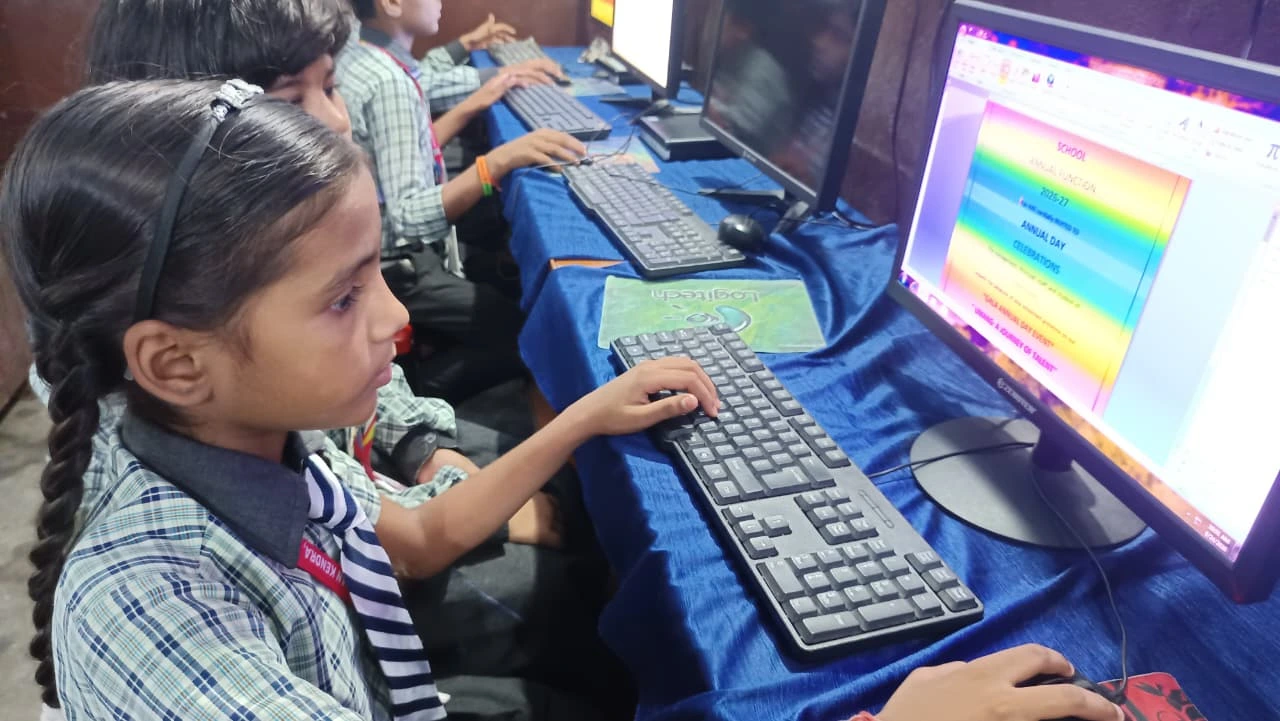
When you create something digital, you learn skills employers want. Coding teaches logic and problem-solving. Video editing teaches storytelling and technical precision. Graphic design teaches visual communication. Writing blogs teaches clarity and research. These aren’t theoretical skills. You can show them in a portfolio. You can use them to earn money. You can build a career on them.
Consider this: a student who spends 100 hours scrolling has nothing to show. A student who spends 100 hours learning to code has projects, experience, and a real skill. Which student will have better opportunities after school? The answer is obvious.
Digital creation also teaches persistence. When you’re coding and your program doesn’t work, you debug. You try again. You learn from failure. This resilience transfers to every area of your life. Passive scrolling teaches nothing except how to swipe.
How Digital Creation Improves Your Thinking Skills
Your brain is like a muscle. It grows stronger when challenged. Digital creation challenges your brain constantly. You need to think about the problem, plan your approach, execute it, test it, and refine it. This is real thinking, not passively consuming others’ thoughts.
Research shows that students who engage in creative digital projects develop stronger thinking skills through computers. They become better at breaking down complex problems. They understand cause and effect more clearly. They become more innovative across all subjects, not just technology.
When you create, you also learn independently. You Google how to solve problems. You watch tutorials. You experiment. This self-directed learning is exactly what you’ll need in college and career. Passive scrolling teaches you nothing about how to learn.
The Government Supports Digital Creation Too
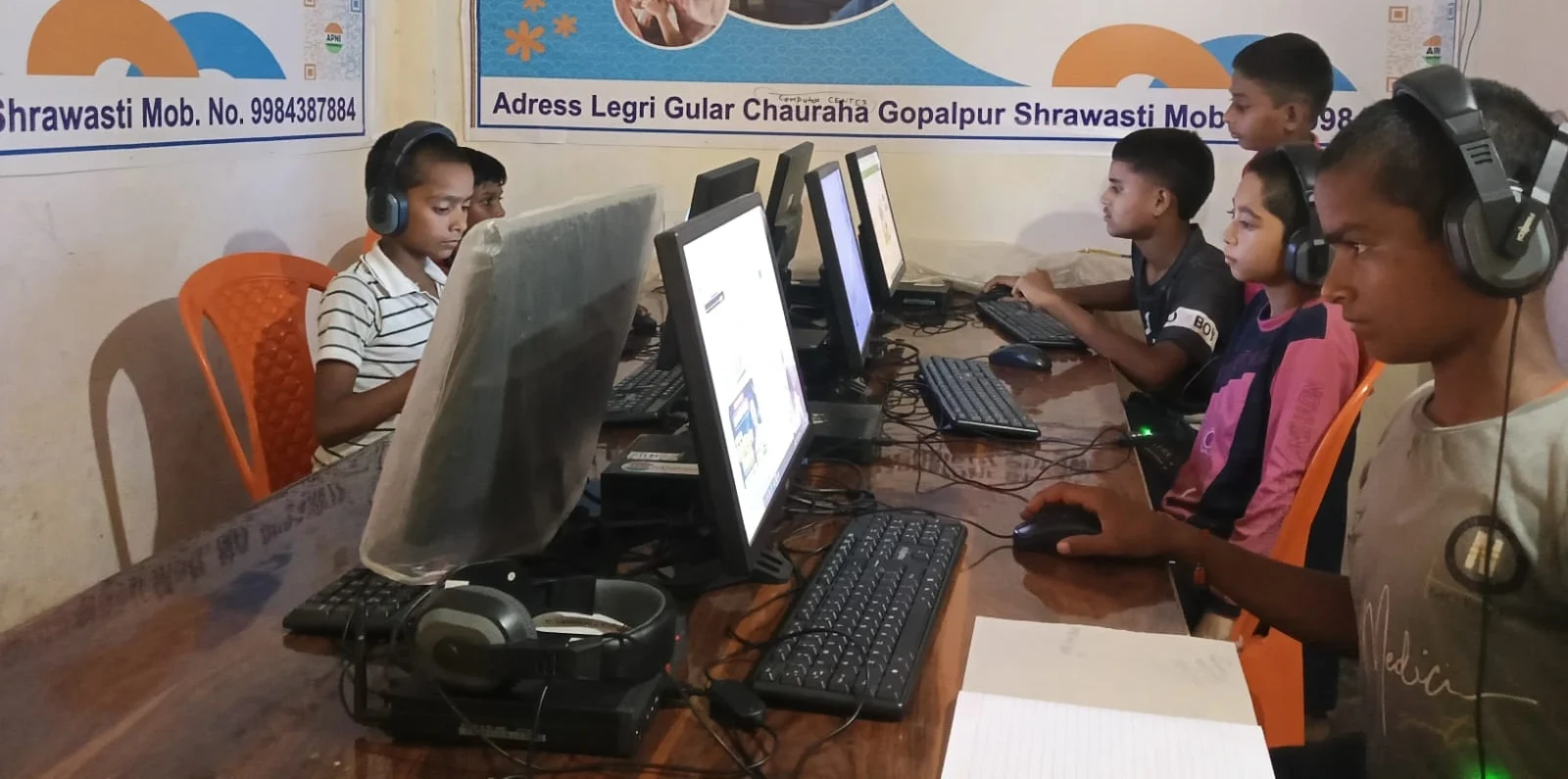
India’s Digital India initiative and MeitY’s Digital India initiative recognise that digital skills are essential for India’s future. The government is pushing students and young people toward technology education. Why? Because passive consumers don’t build nations. Creators do. Digital creation is not just good for you personally. It’s good for your country.
What You Need to Start Creating Digitally
You don’t need expensive equipment. You need a computer powerful enough to run creative software. You need a reliable operating system free of distractions. You need pre-installed tools that let you start creating immediately, not spend hours setting things up.
This is exactly what Apna PC offers. At Rs.30,000, it’s designed for students in Tier 2 and Tier 3 cities who want to start digital creation. It comes with Zorin OS, which is clean and focused. It has Scratch for learning to code. LibreOffice for creating documents and presentations. 8GB RAM and 128GB SSD mean you can run multiple programs smoothly without lag.
Apna PC isn’t just a computer. It’s a tool for transformation. It’s the difference between being a passive consumer and becoming a creator.
Your Choice: Scroll or Create
Every hour you spend scrolling is an hour you’re not creating. Every day you choose passive consumption is a day you’re not building skills. Your future depends on the choices you make today. Will you be someone who consumes content created by others, or someone who creates content others consume?
The choice is yours. But remember Rahul’s story. He chose to create, and it changed everything. You can too. Visit apnapc.com to learn more.