


Rajesh’s Dilemma: Why a Desktop Computer for Students Changed Everything
Rajesh sat in his small flat in Indore, staring at his daughter Priya’s school report card. Her grades had dropped since she started online classes, and he knew why: the old laptop they shared kept freezing during her math tutorials. His wife suggested buying a cheap laptop for Rs.25,000, but something felt wrong about that choice. That’s when he discovered that a desktop computer for students could be the smarter investment for his family.
You’re probably in a similar spot. Your child needs a device for schoolwork, coding, or online classes. The budget is tight, maybe Rs.30,000 to Rs.40,000. You’re torn between a cheap laptop that might slow down and a desktop computer for students that stays in one place. Let’s be honest: most budget laptops disappoint within six months. This blog post shows why a student PC is the better choice for your family.
Why Budget Laptops Fail Your Child (And Your Wallet)
Cheap laptops come with hidden costs you don’t see upfront. They overheat after an hour of use, forcing your child to take breaks during important study sessions. The keyboard gets sticky, the trackpad becomes unresponsive, and suddenly you’re spending another Rs.5,000 on repairs.
Battery degradation is another silent killer. Within a year, that Rs.25,000 laptop only runs for 45 minutes on battery. Your child can’t take it to the library or a friend’s house anymore. It’s basically a desktop anyway, but without the power and reliability.
Performance matters for studies too. When your child is coding in Scratch or working on a school project in LibreOffice, a slow processor means wasted hours. Frustration builds, productivity drops, and you start wondering if you made the wrong choice.
A Student PC Gives You Real Power for Less
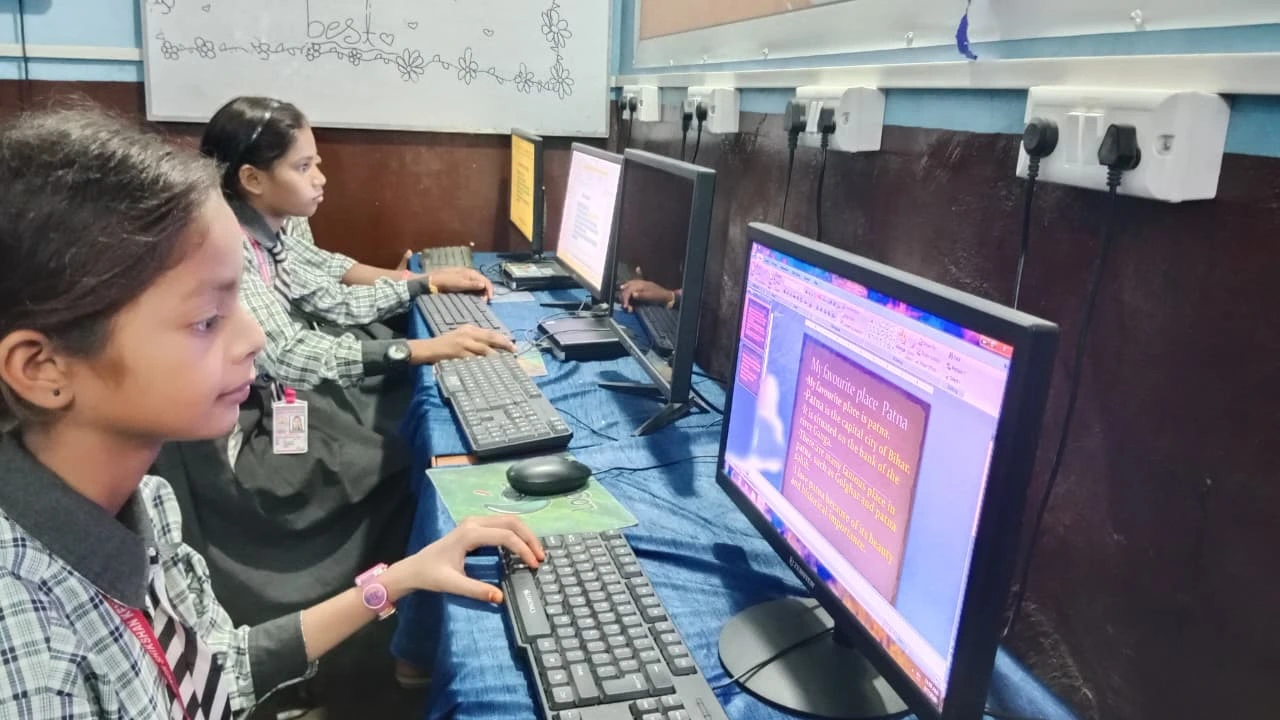
Here’s what you get with Apna PC, a budget computer for students designed for Indian families. The specs are straightforward: 8GB RAM, 128GB SSD, and a processor that handles everything your child needs. No overheating. No lag. No surprises after six months.
- Pre-loaded software: Zorin OS (a smooth, student-friendly operating system), LibreOffice (for documents and spreadsheets), and Scratch (for learning coding). Your child is ready to work on day one.
- Apni Prerna monitoring: You can track your child’s study progress without being intrusive. Apni Pathshala, an organisation that understands Indian students, designed it.
- Built for durability: A desktop doesn’t get dropped, thrown in a bag, or exposed to dust like a laptop. It sits on a desk and works, year after year.
- Upgradeable: If your child’s needs change, you can add more RAM or storage. You can’t do that with a laptop.
The Real Cost Comparison That Matters
Let’s do the math. A cheap laptop costs Rs.25,000 today. In two years, you’ll likely spend Rs.5,000 to Rs.10,000 on repairs and replacements. Total: Rs.35,000 for a device that’s already struggling.
Apna PC costs Rs.30,000 (plus shipping and GST). It comes with proper support, pre-loaded educational software, and a design that lasts. In two years, you’ll have spent Rs.30,000 on a device that still works like day one. That’s the difference between a cheap purchase and a smart investment.
For families weighing their options, a desktop computer for students simply stretches the budget further. Plus, a student PC doesn’t need constant charging. Your child can study for four hours straight without hunting for a power outlet. For families in Tier 2 and Tier 3 cities where electricity can be unpredictable, that’s a real advantage.
What Makes a Desktop Computer for Students Different from a Regular PC
Not every desktop is built for students. A gaming PC is overkill and expensive. A basic office computer might not have the right software for learning. A student PC strikes the balance: powerful enough for coding and online classes, simple enough that your child won’t get distracted by games or unnecessary features.
According to the Ministry of Education, digital literacy is now a core skill. Your child needs a device that supports that learning without distractions. Apna PC’s software is curated for students, not adults.
You can read more about how a desktop compares with a Chromebook if you’re still weighing options, but for most Indian families, a student PC offers the best balance of power, affordability, and reliability.
Making the Switch: What You Need to Know
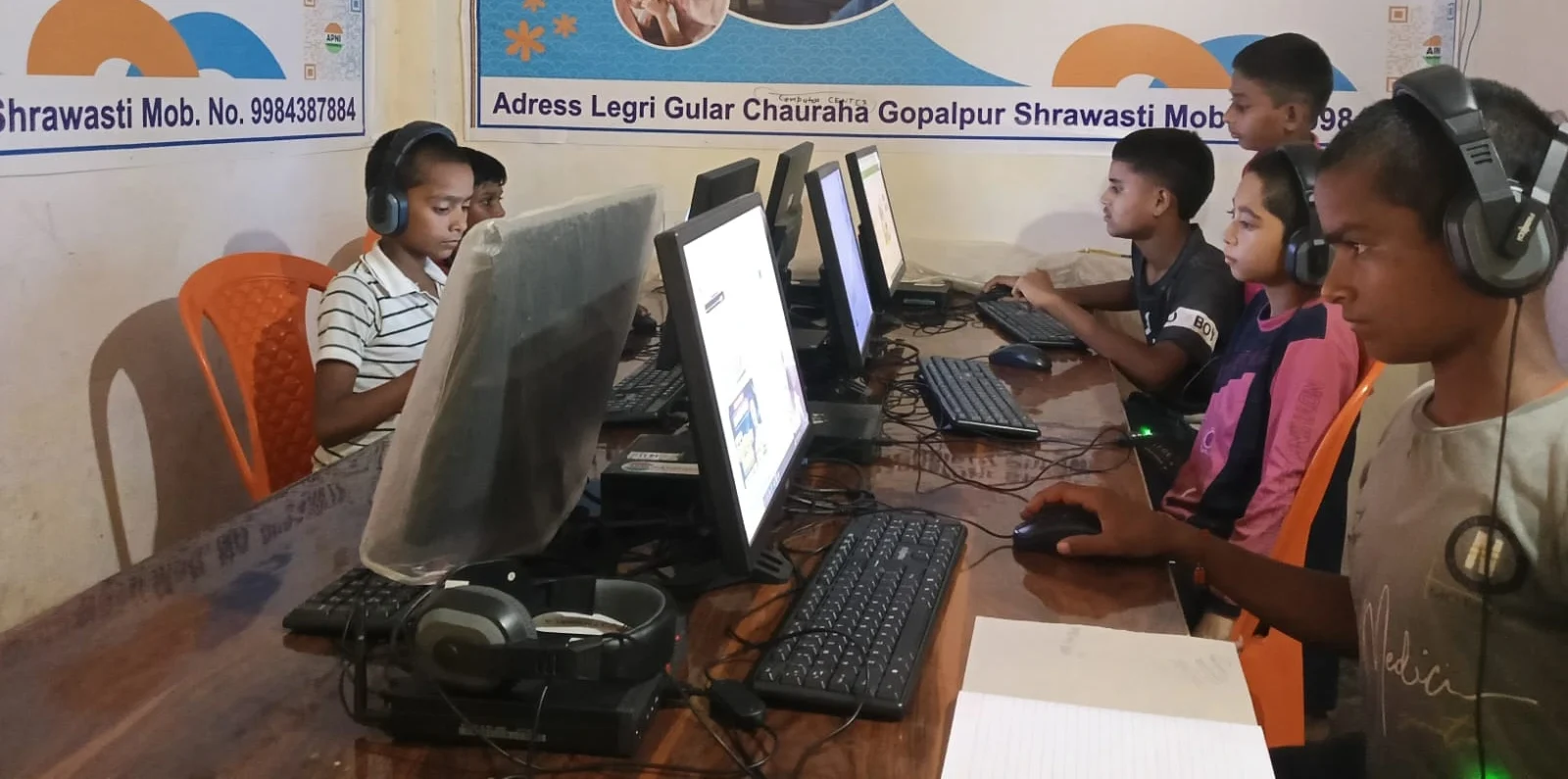
If you’re coming from a laptop, the transition takes about a week. Your child needs to learn where files are saved, how to use the keyboard and mouse, and the basics of Zorin OS. Most kids adapt faster than you’d expect, especially if you sit with them for the first few sessions.
Internet speed matters more with a desktop since it’s not portable. Make sure your home Wi-Fi or broadband is stable. If your area has frequent power cuts, consider a basic UPS (uninterruptible power supply) for Rs. 3,000 to Rs. 5,000. It’s a small investment that protects your device and your child’s work.
Storage space is another consideration. 128GB is enough for most school projects, coding assignments, and documents. If your child works with videos or large files, you can add an external hard drive later.
A Personal Computer Built for Indian Families
The term personal computer originally meant a device designed for an individual, not a corporation. That’s exactly what Apna PC is: a computer designed for your child’s specific needs as a student in India.
When you choose a desktop computer for students, you’re choosing years of reliable learning instead of a device that becomes obsolete in 18 months. It understands your budget constraints. It understands that your child needs reliable school software, not fancy entertainment features.
Families in Indore, Lucknow, Nagpur, and hundreds of other Indian cities have already made this choice. Their children are coding, completing assignments faster, and developing better study habits. You can too.
Why Now Is the Right Time
Your child’s academic years are limited. Every year of weak study habits or frustration with slow devices adds up. The earlier you invest in a proper student PC, the more years your child benefits.
School curricula are increasingly digital. Online classes, coding assignments, and digital projects are no longer optional. Your child needs a device that can handle these demands reliably, and a budget computer for students like Apna PC delivers exactly that.
The cost difference between a cheap laptop and a quality student PC is small, but the impact on your child’s learning is huge. It’s not just about saving money; it’s about investing in your child’s future.
Your child deserves a device that works as hard as they do. Apna PC is that device. Visit apnapc.com to learn more.