


Rajesh’s Story: From Classroom Notes to a Real Portfolio
Rajesh sits in his small room in Indore, staring at his laptop screen. He’s 16, preparing for college entrance exams, but something worries him more than the tests. His friends from Delhi talk about their “portfolios” and “projects” they’ve built. Rajesh has nothing to show. No coding projects. No digital designs. No proof that he can do anything beyond memorising textbooks. His parents bought him a basic computer last year, but he didn’t know what to build with it. That’s when everything changed. A student portfolio isn’t just about impressing colleges anymore. It’s your ticket to showing real skills, real work, and real potential.
Why Your Student Portfolio Matters More Than Your Marks
Colleges today dont just look at your grades. They want to see what you’ve actually created. A strong digital portfolio proves you can think, build, and solve problems. It shows you’re not just another student cramming for exams.
Think about it this way: thousands of students have 95% marks. But how many have built something? How many have a project they can show and explain? Your portfolio makes you different. It tells your story in a way marks never can.
A student who can demonstrate real work stands out in college applications, internship interviews, and later job searches. You’re not just preparing for college. You’re building your career foundation right now.
What Should Be in Your Student Portfolio
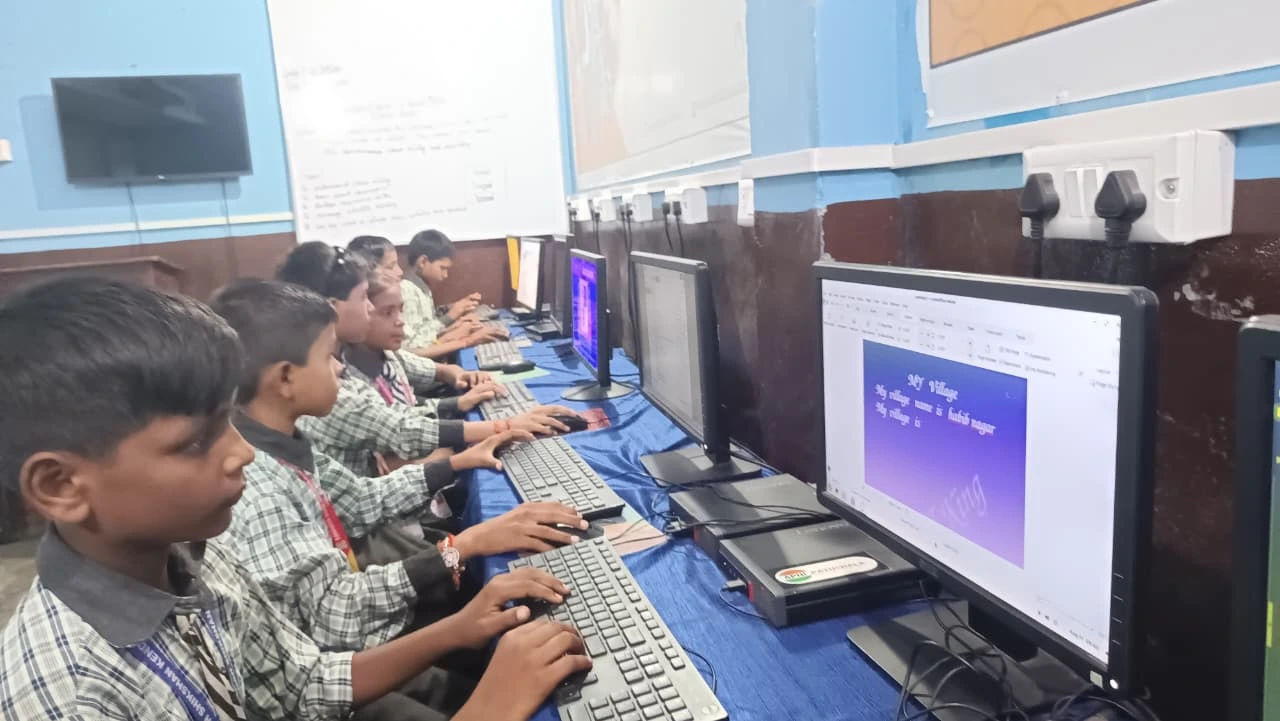
Your portfolio should include projects that show your thinking and skills. Here’s what works best:
- Coding Projects: A simple app, a website, or a game you built. Even basic projects count. They show you understand logic and problem-solving.
- Digital Designs: Posters, graphics, or animations you created. These show creativity and technical skill.
- Writing and Research: Blog posts, research papers, or articles on topics you care about. Show your thinking clearly.
- Video Projects: Documentaries, educational videos, or presentations. Video skills are valuable everywhere now.
- Problem-Solving Projects: Solutions you built for real problems in your community. These impress colleges the most.
The key is quality over quantity. Five strong projects beat twenty weak ones. Each project should have clear documentation explaining what you built, why you built it, and what you learned.
How a Good Computer Helps You Build Real Projects
Here’s the truth: you can’t build a strong portfolio on a phone or tablet. You need a real computer with proper tools and software. A computer lets you use professional applications, write code without limits, and build complex projects that actually matter.
The Apna PC is designed exactly for this. With 8GB RAM and 128GB SSD, it runs all the tools you need without slowing down. It comes pre-loaded with LibreOffice for document creation, Scratch for learning coding, and Zorin OS, which is fast and reliable. You get everything you need to start building without spending extra money on software.
Rajesh used Scratch to build a simple quiz game. He created graphics in LibreOffice Draw. He documented everything in a blog post. Within three months, he had five solid portfolio projects. When he applied to colleges, he could show real work. His interview went completely differently because he could explain his thinking and demonstrate actual skills.
Building Thinking Skills Through Portfolio Projects
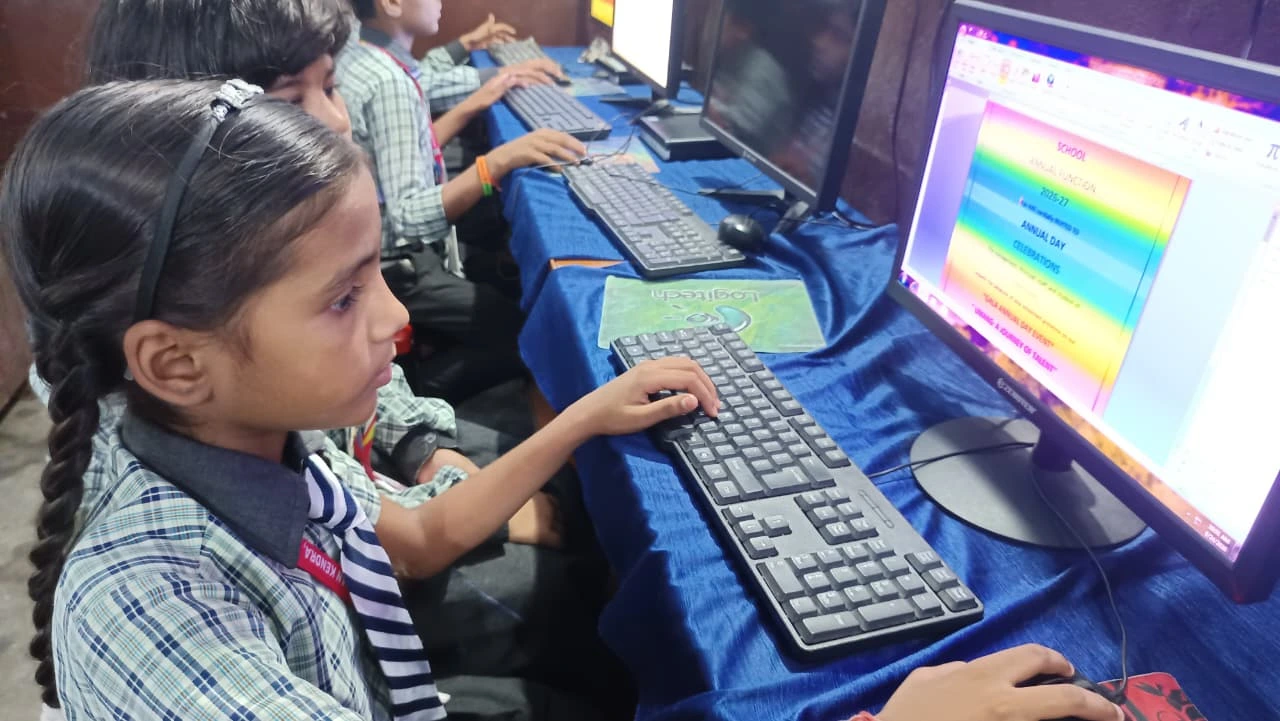
Working on projects teaches you more than any textbook ever will. When you build something, you learn to break big problems into small steps. You learn to test your work, find mistakes, and fix them. You develop the ability to think critically and solve problems creatively.
This is exactly what colleges want to see. When you develop thinking skills through real projects, you’re not just memorising information. You’re becoming the kind of person who can handle college-level work and beyond.
Every project teaches you something new. Every mistake teaches you more than success does. Your portfolio becomes a record of your growth as a thinker and creator.
Getting Started: Your First Portfolio Project
Dont wait for the perfect idea. Start with something simple today. Pick a topic you care about. Build something small. Document it. Share it. That’s your first portfolio piece.
If you’re interested in technology, build a simple website about your favourite subject. If you love art, create digital designs and write about your process. If you care about your community, make a video documenting a local problem and your ideas for solutions.
The Apna PC gives you the tools to explore career opportunities through real projects. With proper software and enough power to handle your ideas, you can build anything you imagine.
Your Portfolio and Your Future
Your portfolio isnt just for college applications. It’s your foundation for everything that comes after. When you apply for internships, employers want to see your work. When you apply for higher education, professors want to see what you can do. When you compete for opportunities, your portfolio speaks louder than your resume.
The Digital India initiative is pushing technology skills across the country. Students who build digital portfolios now will have huge advantages later. You’re not just preparing for college. You’re preparing for a future where digital skills matter everywhere.
Rajesh is now in his second year of college. His portfolio helped him get admission to his first choice. More importantly, it helped him get an internship in his first semester. Companies saw his work and wanted him on their team. That portfolio he started building at 16 changed his entire path.
Your portfolio can do the same for you. Start today with a computer that gives you real tools and real power to create. Your future self will thank you for the work you do right now.
Building a strong student portfolio takes commitment, the right tools, and a computer that can handle your ambitions. Visit apnapc.com to learn more.