

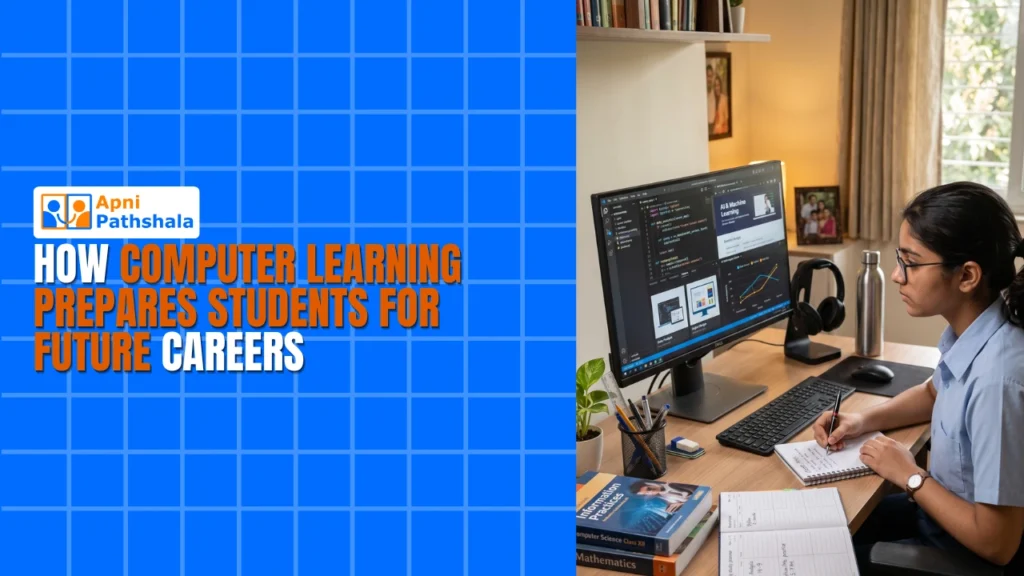
A Family’s Journey to Digital Skills
Rajesh sat in his small shop in Indore, scrolling through his phone, when his daughter Priya came home with tears in her eyes. She’d scored well in her board exams, but the computer lab at school had been closed for months due to repairs. During her interview for a junior college, they’d asked her to demonstrate basic computer skills; she couldn’t. That evening, Rajesh realised something crucial: computer learning careers aren’t just about passing exams anymore. They’re about survival in India’s job market.
Your child’s future depends on more than textbooks. In 2024, every career path, whether it’s engineering, medicine, commerce, or arts, requires solid digital skills. Companies aren’t hiring students who can only memorise facts. They want people who can type quickly, use software, code simple programs, and navigate the digital world confidently.
Why Computer Learning Careers Matter Now
The Digital India initiative has transformed how jobs work across the country. Even in Tier 2 and Tier 3 cities, remote work has become normal. Your child might work for a company in Bangalore while living in Nagpur. But that opportunity only comes if they’ve learned computers properly.
Think about what employers actually ask for these days. They want candidates who can use Microsoft Office, create presentations, understand basic coding, type without looking at the keyboard, and troubleshoot simple tech problems. These aren’t advanced skills. They’re baseline expectations.
- Office jobs require typing speed and software knowledge.
- Engineering roles require basic coding and programming skills.
- Teaching positions now need digital content creation skills.
- Business startups expect employees to handle multiple digital tools.
- Government exams increasingly include computer-based tests.
When students develop keyboarding skills early in school, they gain confidence. They stop being afraid of technology. Fear is what holds back talented kids in Tier 2-3 cities. Once your child sits at a computer regularly and learns, that fear disappears.
Building Computer Learning Careers from School
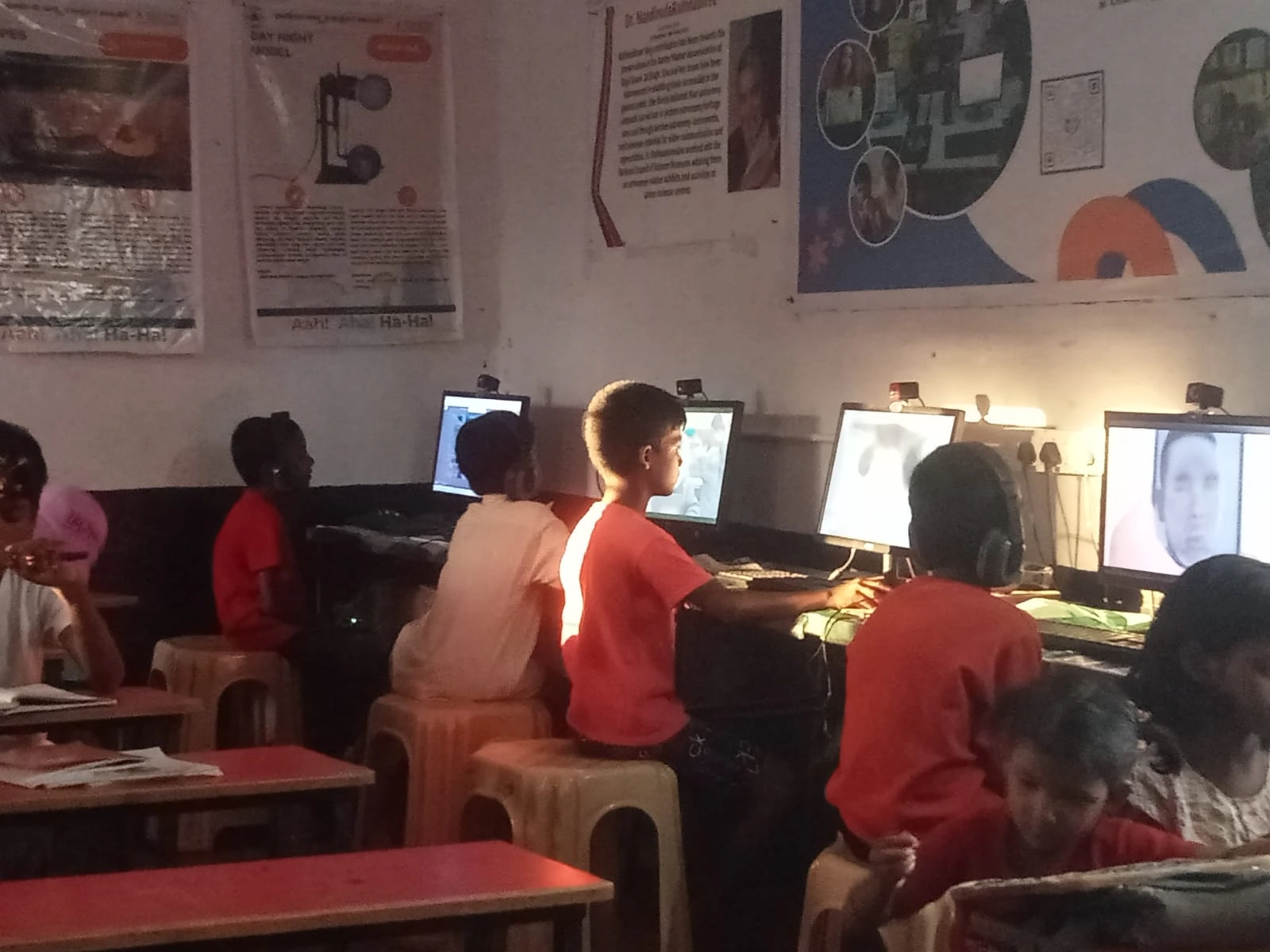
The best time to start is now, not after school ends. Your child’s brain absorbs technology faster at 12 or 14 than at 22. When they learn coding basics through Scratch, they understand logic and problem-solving. When they use LibreOffice, they learn how to present ideas professionally. These aren’t just computer skills; they’re life skills.
Most schools in smaller cities have limited computer labs. Classes are crowded. Teachers can’t give individual attention. Your child might touch a computer once a week for 45 minutes. That’s not enough to build real skills. You need hands-on practice at home, where your child can learn at their own pace, make mistakes, and try again without feeling rushed.
This is where having your own computer changes everything. Personal computers give your child unlimited practice time. They can work on projects, learn coding, create documents, and develop real expertise. The Apna PC comes pre-loaded with Scratch for coding, LibreOffice for office work, and Zorin OS for a smooth learning experience. It’s specifically designed for Indian students who need affordable, reliable computer learning.
Preparing for Exams and Competitive Tests
Computer-based exams are everywhere now. JEE, NEET, UPSC, bank exams, and state-level competitive tests all use computers. Your child needs to be comfortable typing answers, using a mouse, navigating software, and managing time on screen. If they’ve never practised on a real computer at home, the exam day will feel overwhelming.
You can help your child prepare for the computer board exam at home. They’ll practice typing, solve sample questions online, and become familiar with how computer-based exams work. This preparation builds confidence and improves scores.
Real Skills for Real Jobs
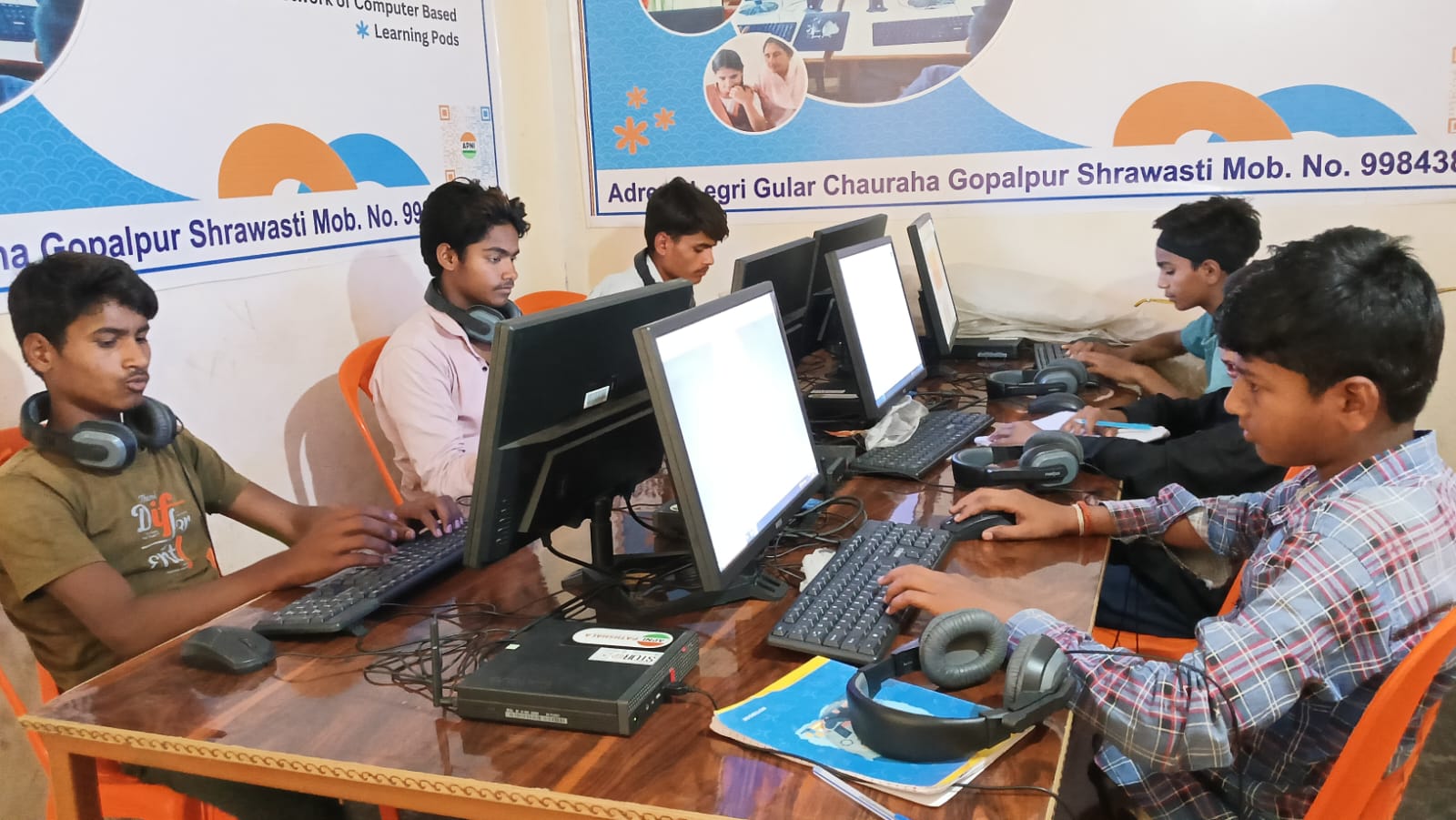
Let’s be honest: your child’s school certificate alone won’t get them hired. Employers want proof of actual skills. When your child can demonstrate they know Scratch coding, create a presentation in LibreOffice, and type 40 words per minute accurately, they stand out. These are measurable, valuable skills that lead directly to careers in computer learning.
In Tier 2-3 cities, many students compete for the same jobs. What makes your child different? Digital skills. The ability to work with computers confidently. The knowledge to solve problems using technology. These things matter more than ever before.
Starting Your Child’s Computer Journey Today
You don’t need an expensive setup. You don’t need the latest gaming computer. You need a reliable, affordable machine built specifically for learning. The Apna PC at Rs.21,000 (shipping and GST excluded) gives your child exactly what they need: 8GB RAM for smooth multitasking, 128GB SSD for fast performance, and pre-loaded educational software including Scratch, LibreOffice, and Zorin OS.
Your child will have their own space to learn, practice, and grow. They’ll develop computer-learning career-readiness while still in school. They’ll feel prepared for board exams, competitive tests, and job interviews. Most importantly, they won’t feel left behind in India’s digital economy.
Priya’s father bought her a computer after that failed interview. Within three months, she’d learned to code in Scratch, created professional presentations, and dramatically improved her typing speed. Today, she’s confident in tech interviews and has already received job offers. Your child can have the same opportunity.
Don’t let your child fall behind because of a lack of home computer access. Visit apnapc.com to learn more.