


Ravi’s Morning Struggle: A Delhi Family’s Discovery About the Best Time to Study
Ravi’s mother, Priya, sat across from his class teacher with worry etched on her face. Her son was brilliant, but his marks didn’t reflect it. The teacher leaned forward and asked one simple question: “When does Ravi study?” Priya paused. She’d never really thought about it. Ravi studied whenever he finished dinner, usually around 9 PM, hunched over his books until midnight.
That conversation changed everything for their family. Priya realised she’d never considered that the best time to study might be different for her son than for her. Some kids’ brains light up at dawn, while others hit their stride after sunset. Your child isn’t lazy or unfocused. They might just be studying at the wrong time.
Why the Best Time to Study Matters More Than You Think
Your body has a natural rhythm called your circadian rhythm. This internal clock controls when you feel alert, hungry, and tired. Some kids are “morning larks” who wake up energised and ready to learn. Others are “night owls” who find their groove after the sun sets.
The best time to study isn’t the same for everyone because our brains work differently throughout the day. Research shows that forcing a night owl to study at 6 AM is like asking them to run a race with weights on their feet. They’ll struggle, get frustrated, and learn less. The same goes for morning larks forced to study late at night.
When you study at your peak hours, your brain absorbs information faster. You remember more. You concentrate better. That’s not motivation or discipline. That’s biology.
Morning Study: Perfect for Some, Painful for Others
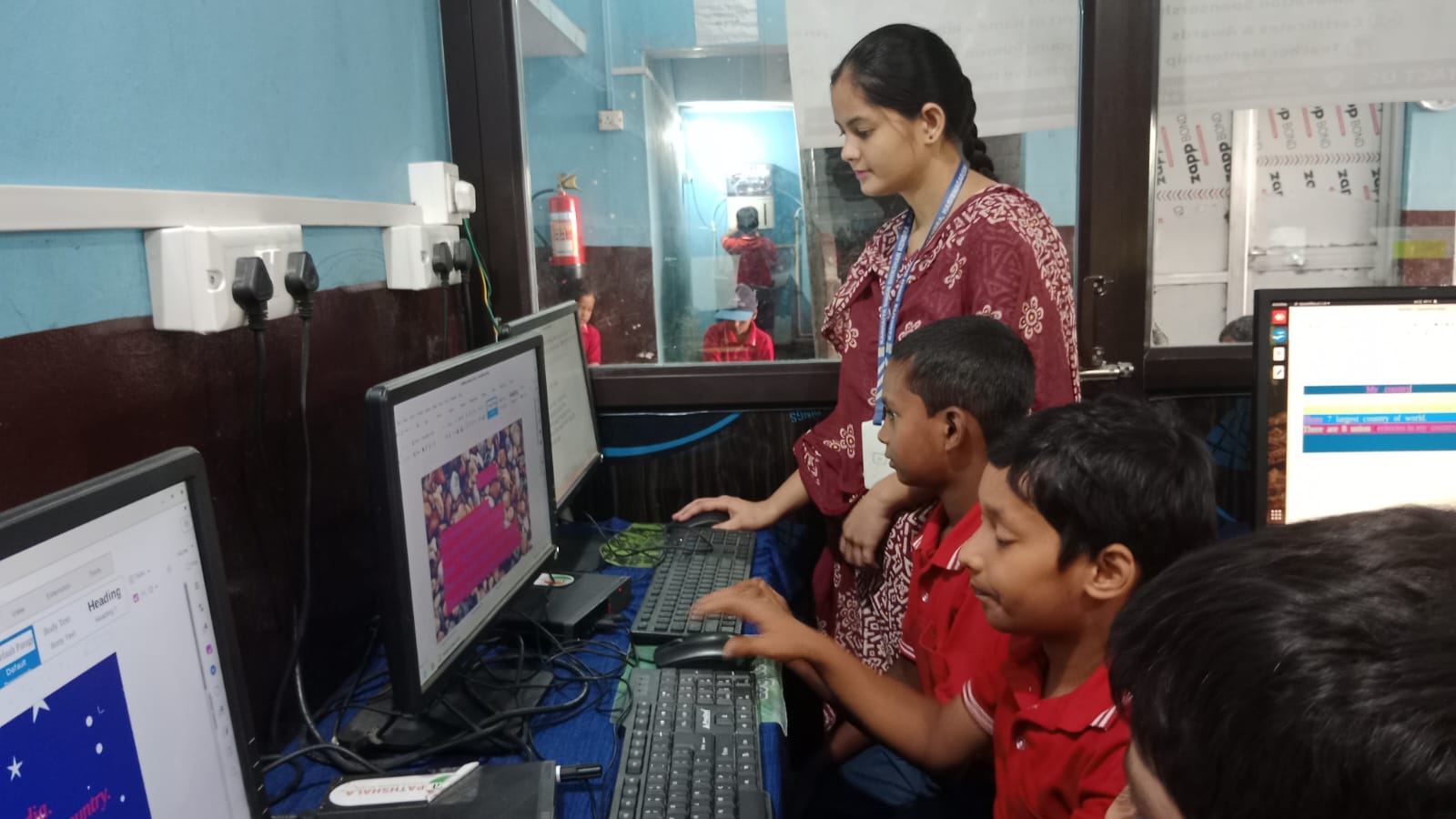
Morning study has real advantages. Your mind is fresh. There are fewer distractions. Your phone isn’t buzzing with friend messages yet. Many successful students swear by early morning study sessions, sometimes starting at 5 or 6 AM.
But here’s the catch: not every kid can do this. If your child wakes up groggy and grumpy, forcing them into books at 6 AM won’t work. They’ll sit there, staring at the same page for 20 minutes. Their brain isn’t ready. Pushing them will only build resentment toward studying.
Morning study works best if your child naturally wakes up feeling refreshed and alert. Check their natural sleep pattern. If they wake up before an alarm and seem energised, morning might be their best time to study.
Night Study: Why Your Night Owl Might Be Onto Something
Many Indian parents worry when their kids want to study at night. We’ve been taught that morning is “pure” and productive. But neuroscience tells a different story. Some brains genuinely work better after sunset.
Your night owl child might have higher melatonin levels that kick in later. Their body temperature peaks later in the day. Their mental clarity arrives around 7 or 8 PM. For them, the best time to study is when everyone else is winding down.
The challenge with night study is sleep. If your child studies until 1 AM and wakes at 6 AM, they’re sleep-deprived. That ruins everything. Night study only works if bedtime is pushed back too, and your child still gets 7 to 8 hours of sleep.
Finding Your Child’s Best Time to Study
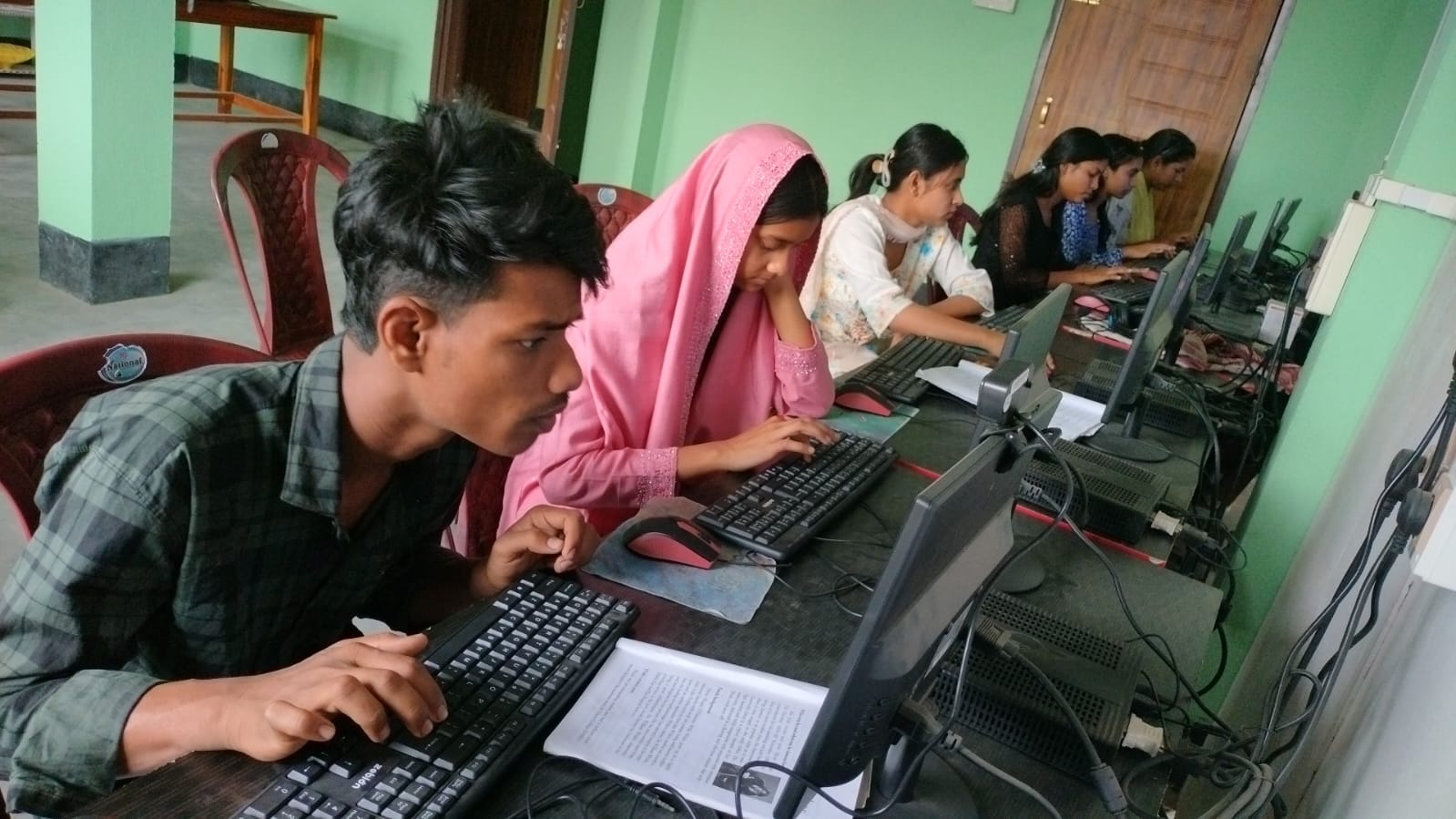
You don’t need a lab test to figure out when your child learns best. Observe them for two weeks. When do they seem most alert? When do they ask the fewest questions and need the least help? When do they finish homework fastest?
Write down these patterns. You’ll notice a trend. Maybe they’re sharp between 4 and 6 PM. Maybe it’s 7 to 9 AM. That’s their peak window. That’s when their brain is ready to absorb and retain information.
Once you identify this window, protect it fiercely. No phone. No TV. No distractions. This is prime real estate for learning. You can read more about study hours for different grade levels to understand age-appropriate study times.
Creating the Right Environment for Peak Learning
Timing is half the battle. Environment is the other half. Your child could study at the perfect time, but if they’re sitting in a noisy room with their phone buzzing, they’ll still struggle.
Set up a dedicated study space: a desk, a chair, good lighting. Keep phones away. Close unnecessary browser tabs if they’re using a computer. Many parents find that a dedicated educational device helps.
An Apna PC, for example, comes pre-loaded with focused learning tools and parental monitoring features through Apni Prerna. It’s designed to minimise distractions and maximise productivity.
An Apna PC, for example, comes pre-loaded with focused learning tools and parental monitoring features through Apni Prerna. It’s designed to minimise distractions and maximise productivity.
Learn more about creating focused, distraction-free learning on our site.
Building a Study Routine That Sticks
Once you’ve found the best time for your child to study, make it a routine. Same time. Same place. Every single day. Your brain loves predictability. After a few weeks, your body will automatically shift into “study mode” at that time.
Consistency matters more than intensity. Thirty minutes at the right time beats two hours at the wrong time. Your child will be happier, learn more, and actually retain what they study.
If you’re looking to support your child’s learning, see how Education in India has evolved and explore resources from the Ministry of Education for guidance on learning frameworks.
The best time to study is when your child’s brain is ready to learn. Honour that rhythm, support it, and watch their grades and confidence soar. At Rs.30,000 (shipping and GST excluded), the Apna PC gives your child the right tools to make every study session count.
Visit apnapc.com to learn more.