


Ravi’s Borrowed Device Problem
Last month, Ravi’s mother bought him a used laptop from a colleague at her office. The screen had dead pixels, the keyboard stuck sometimes, and worst of all, his father needed it for work every afternoon. Ravi would start his math homework at 2 PM, get interrupted by his dad’s video calls by 3 PM, then lose focus completely. His grades dropped from 85% to 72% in just one semester. This is the story of thousands of students across India who share devices with family members. A borrowed device learning setup sounds practical on paper, but it creates invisible barriers that crush your child’s academic progress.
When your child uses a shared computer, three things happen immediately. First, they can’t create their own learning space or customise settings for their needs. Second, interruptions become constant—someone always needs the device for work, shopping, or scrolling. Third, your child develops anxiety about using the device because it’s never truly theirs. This borrowed-device uncertainty directly impacts how their brain processes information and retains knowledge.
How a Borrowed Device Breaks Learning Flow
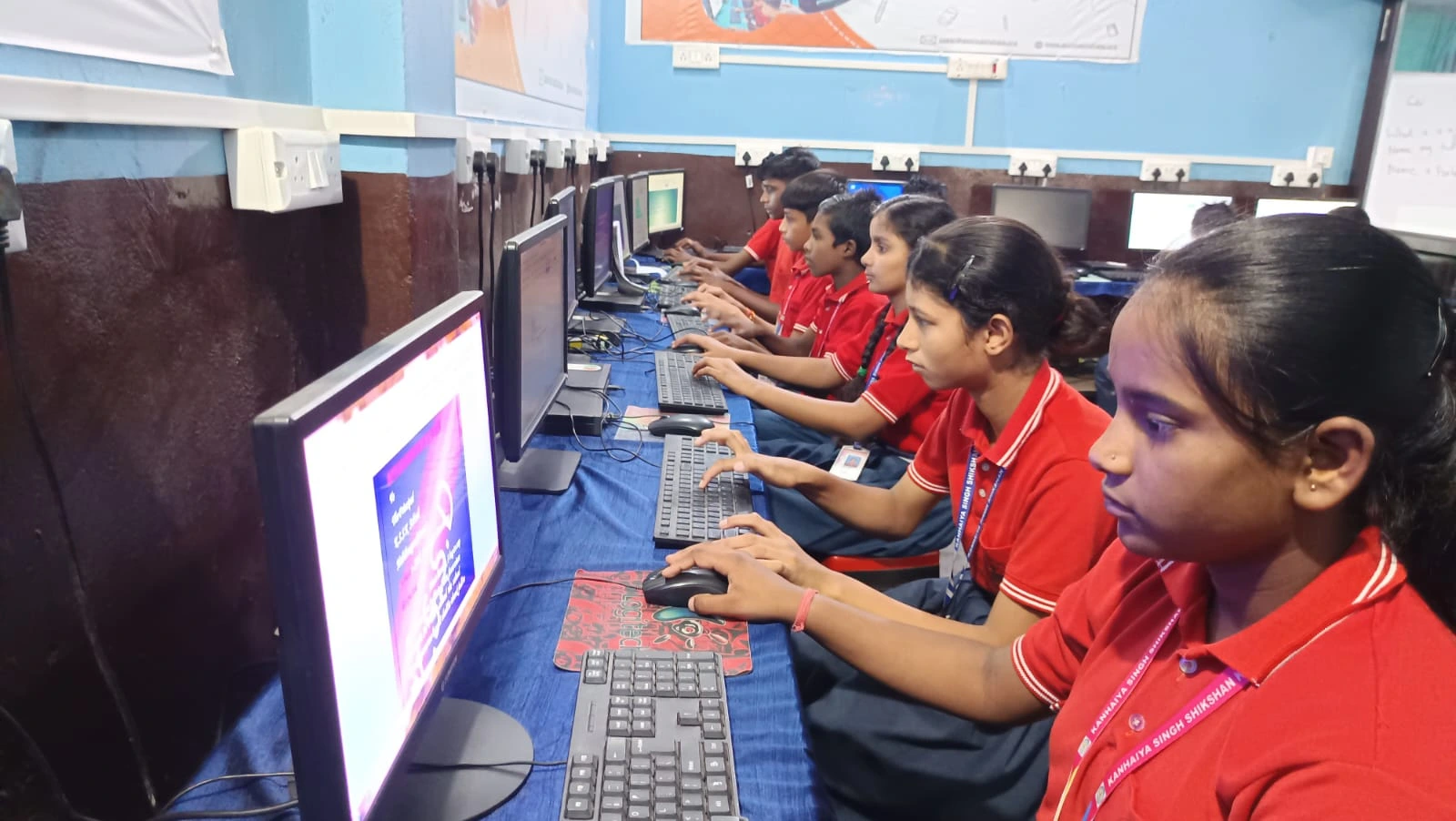
Learning isn’t just about sitting and studying. Research on learning shows your brain needs continuity, comfort, and control to absorb new concepts. When your child uses a borrowed device, all three elements vanish.
- Continuity breaks: Your child starts solving a geometry problem, saves it, then the device gets taken away for a video conference. When they return two hours later, they’re cold to the topic. Their brain has moved on.
- Comfort disappears: The screen brightness is wrong, the keyboard feels foreign, the trackpad is slow. These small frustrations pile up and drain mental energy that should go toward actual learning.
- Control is lost: Your child can’t install educational software they need, can’t organise files their way, can’t even keep their homework safe from accidental deletion by other family members.
Parents in tier 2 and tier 3 cities often think, “Why buy a new computer when we already have one at home?” The answer is simple: a shared computer isn’t the same as a personal device. It’s like asking your child to study in a noisy market instead of a quiet room. The environment itself becomes the obstacle.
Consider this real scenario from a Pune family. Their daughter Priya shared the family laptop with her two brothers and parents. During online classes, she had to wait for her turn. During exam prep, she couldn’t access her notes when she needed them because her brother was gaming. Her performance suffered, and the family blamed her for “not working hard enough.” The real culprit wasn’t laziness; it was the borrowed device learning setup.
The Cost of Waiting and Worrying
When your child uses a shared computer, they spend emotional energy on stress instead of studies. They’re constantly thinking: “Will Dad need this soon? Should I save my work? Is someone going to interrupt me?” This mental load reduces their ability to focus on actual learning.
Research shows that interruptions cost your brain 23 minutes to refocus. If your child gets interrupted twice daily while studying, thats nearly an hour of lost productivity every single day. Over a year, thats 365 hours of wasted learning time. That equals 45 full school days of study time lost simply because they dont have their own device.
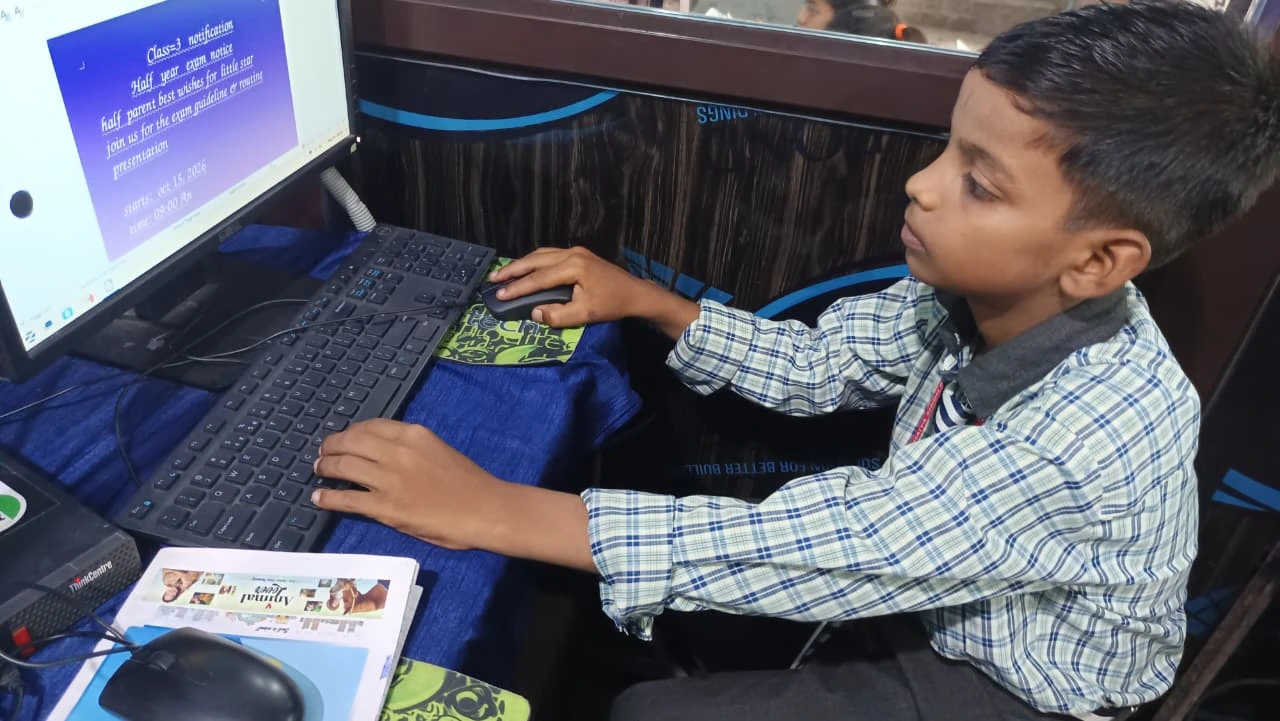
The Digital India initiative has pushed technology into classrooms and homes, but without personal devices, your child can’t fully participate. Teachers assign digital homework, online projects, and coding assignments. A shared computer means your child either submits work late or skips assignments because they couldn’t access the device when they needed it.
Why Personal Device Beats Borrowed Device Learning
When your child has their own computer, something shifts psychologically. It’s not just about ownership; it’s about responsibility and freedom. Your child can organise their study materials, save their progress, and return to learning without fear of interruption.
A personal device also lets your child develop healthy digital habits early. They learn file management, time management, and digital responsibility. They experience the connection between their effort and their results because the device is always available when they need it.
This is exactly why Apna PC was created. It’s an affordable personal computer designed specifically for students, priced at Rs.30,000 (shipping and GST excluded). It comes pre-loaded with everything your child needs: Zorin OS, Apni Prerna for monitoring, LibreOffice for documents, and Scratch for coding. The 8GB RAM and 128GB SSD ensure smooth performance for schoolwork, online classes, and projects without lag or frustration.
Unlike a borrowed device, Apna PC is yours to keep and customise. Your child gets a dedicated learning space that supports their growth, not interrupts it. You’re not just buying a computer; you’re investing in uninterrupted learning flow.
Read more about how family laptop sharing affects grades, and why your child deserves a first computer, not a hand-me-down.
Your child’s education deserves better than a borrowed device learning setup that breaks their focus every afternoon. Give them the personal computer they need to succeed. Visit apnapc.com to learn more.