


Aarav’s Room Transformation: Why Study Room Ideas Matter
Last month, Priya sat on her son Aarav’s bed in their Indore home, watching him struggle through his online classes. His desk was buried under cricket trophies, old notebooks, and his mother’s sewing materials. The WiFi router sat in the living room, forcing him to crane his neck at odd angles while balancing his laptop on a wobbly stool. Aarav’s grades had slipped from 85% to 72%, and Priya couldn’t understand why. Then her sister visited and said something simple: “His study room ideas are non-existent. He doesn’t have a proper study space.” That conversation changed everything for their family.
Essential Study Room Ideas to Transform Your Home Study Space
Let’s start with the foundation of any good study room ideas: location and lighting. Your child’s study area should be away from the TV, kitchen noise, and foot traffic. Natural light is best, so position the desk near a window if possible. If that’s not available, invest in a good desk lamp with 60-watt-equivalent LED bulbs. Poor lighting causes eye strain and headaches, which kill concentration within 30 minutes.
Next comes furniture. You don’t need expensive imported desks. A simple wooden table that’s 24-30 inches high and at least 3 feet wide works perfectly. The chair should have back support and be adjustable to elbow height. Your child’s feet should touch the ground or a footrest. Many families in smaller homes use wall-mounted folding desks to save space and keep things looking clean.
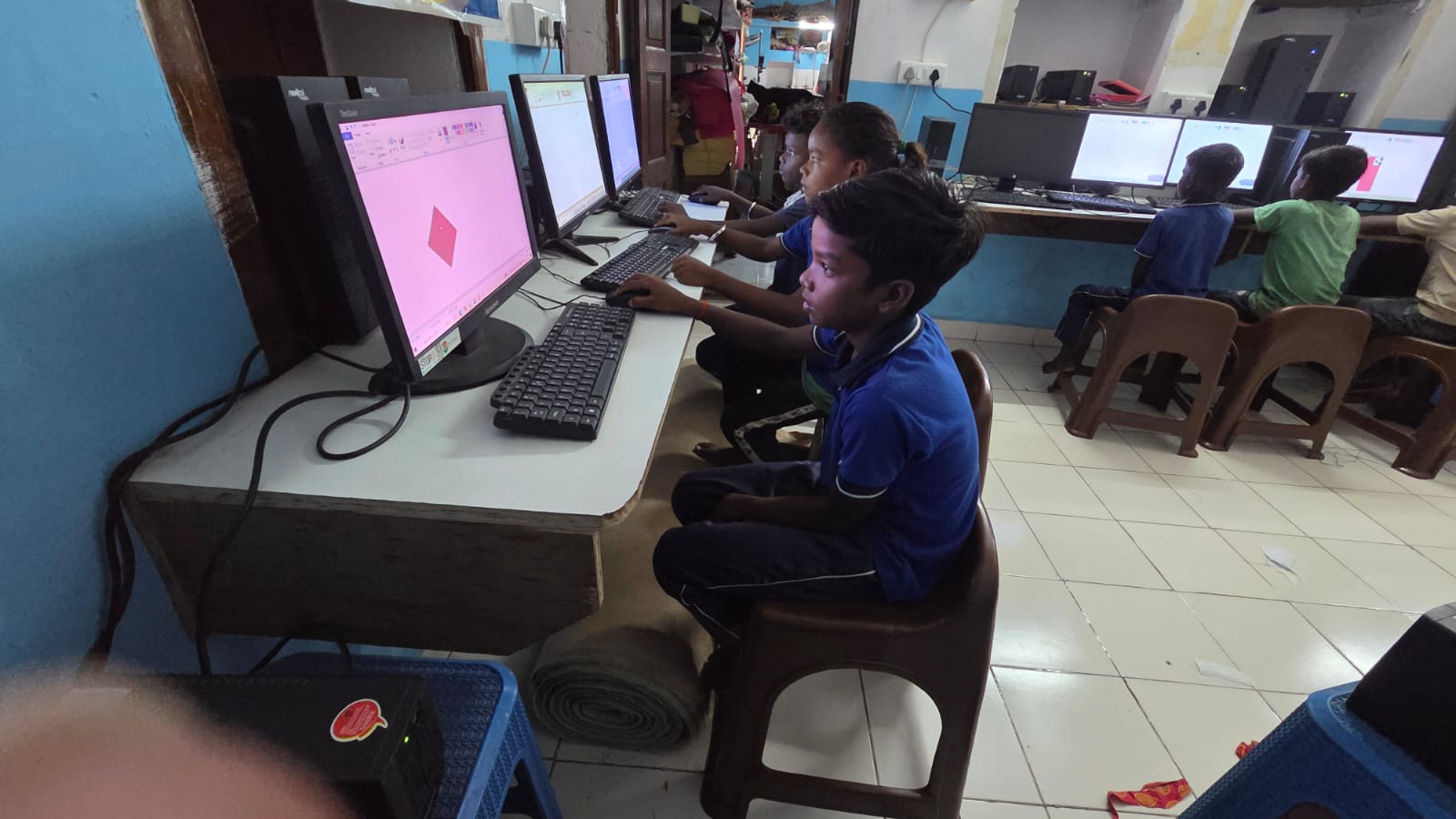
Storage is where most home study setups fail. Without proper storage, your desk becomes a dumping ground. Use wall shelves, small cabinets, or even cardboard organisers to keep books, pens, and papers in their place. A small shelf above the desk holds frequently used items. Drawers should contain only current subjects’ materials. Store old notebooks and completed coursework in boxes kept elsewhere.
Temperature and air quality matter more than you think. A warm room makes students drowsy. Keep the study space cool and well-ventilated. If you’re in a hot climate, a small fan or AC can significantly boost focus. Open the window for 10 minutes every hour to refresh the air.
Technology: The Missing Piece in Most Study Room Ideas
Here’s what separates a good study setup from a great one: the right technology. Your child needs a reliable computer for online classes, research, and assignments. But not just any computer. It should be designed for students, with educational software pre-loaded and monitoring features that help parents track progress.
This is where Apna PC comes in. Built by Apni Pathshala specifically for students, Apna PC costs just Rs.30,000 (before shipping and GST). It comes with Zorin OS, a clean operating system that’s free from distractions. LibreOffice is preloaded for documents and presentations. Scratch is included to help you learn coding basics. Most importantly, Apni Prerna monitoring software lets you see how your child spends study time without being invasive.
Putting Your Study Room Ideas Into Action
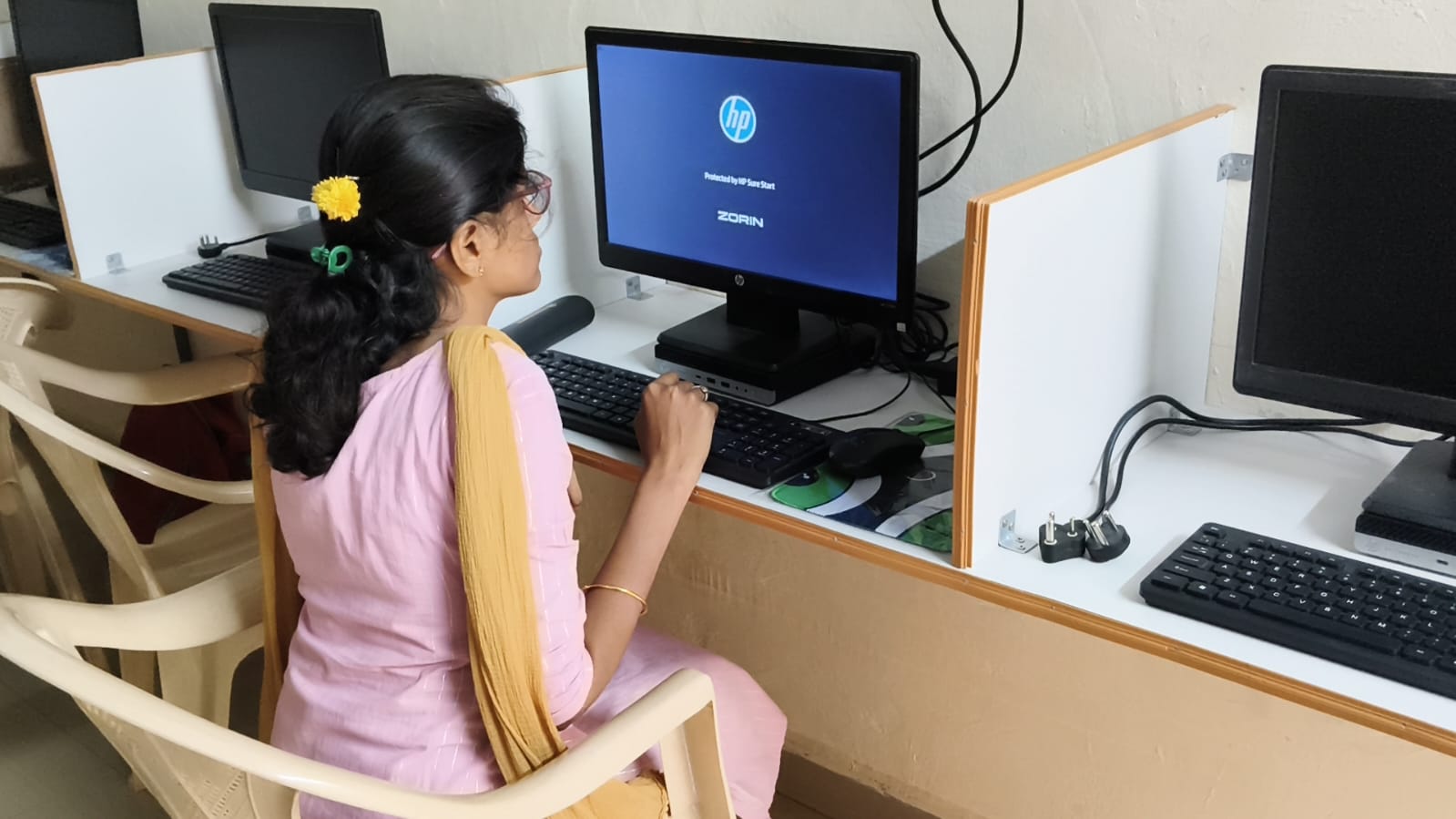
Start small. You don’t need to redesign your entire home. Pick one corner, one table, one chair. Make it yours. Add the lighting, storage, and a good computer. Test it for a week. Ask your child if they feel more focused. Adjust based on feedback.
Check the Ministry of Education guidelines on learning spaces. They recommend at least 1.5 meters of clear desk space and proper ventilation. Your study space should align with these standards.
Priya’s story had a happy ending. Within three weeks of setting up Aarav’s dedicated study space with proper lighting, storage, and a new computer, his focus improved. His grades climbed back to 88%. More importantly, he started enjoying his studies. That’s what the right study room ideas can do.