

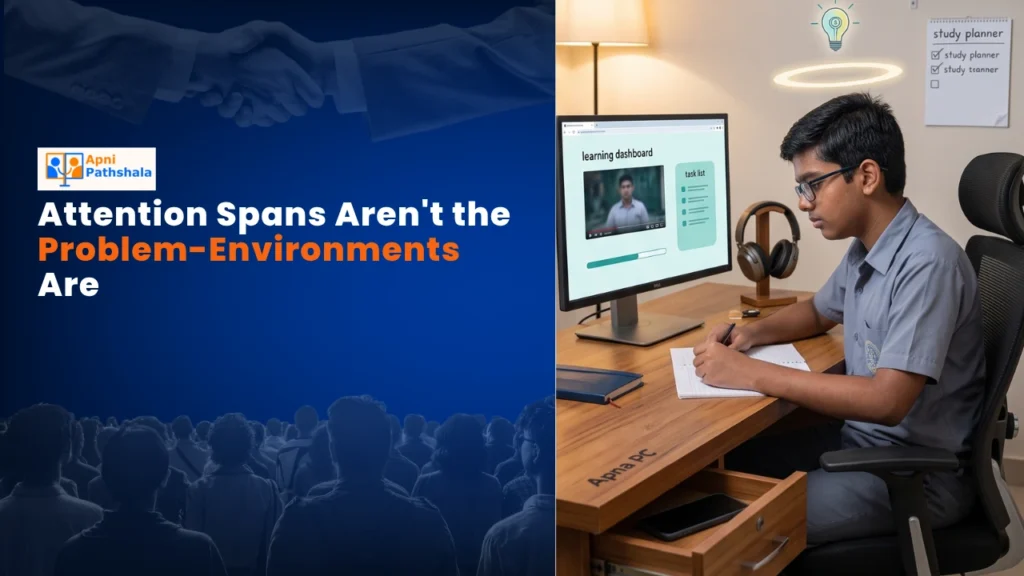
Your child stares at their textbooks for five minutes, then reaches for their phone. You assume their attention span is broken. But here’s the truth: attention span isn’t the real problem. The learning environment is. Research shows that when students sit in poorly lit rooms, surrounded by distractions, or without proper study tools, their focus collapses not because they can’t concentrate, but because the space itself sabotages their ability to learn.
Why Your Child’s Attention Span Struggles in Wrong Environments
Most Indian parents blame screen time or “weak concentration” when kids lose focus. But neuroscience tells a different story. A student’s attention span depends heavily on their physical surroundings, the tools available, and how engaged they feel with learning materials.
When your child studies at a cramped desk with poor lighting, surrounded by noise from the street or siblings, their brain is working twice as hard just to filter out distractions. That’s not a weak attention span. That’s an exhausted brain fighting an unfriendly environment.
Studies on learning research confirm that environmental factors directly influence how long students can maintain focus. Temperature, lighting, noise levels, and desk ergonomics all matter more than you’d think.
5 Environmental Factors That Kill Attention Span
1. Poor Lighting: Dim rooms force eyes to strain, triggering fatigue within 20 minutes. Your child isn’t losing focus; they’re experiencing physical discomfort.
2. Noise Pollution: Constant background noise (traffic, TV, street vendors) fragments attention. The brain can’t build sustained focus in chaotic soundscapes.
3. Inadequate Study Space: Studying on beds or the floor creates poor posture and discomfort. Check our guide on study space warning signs to see if your setup is sabotaging learning.
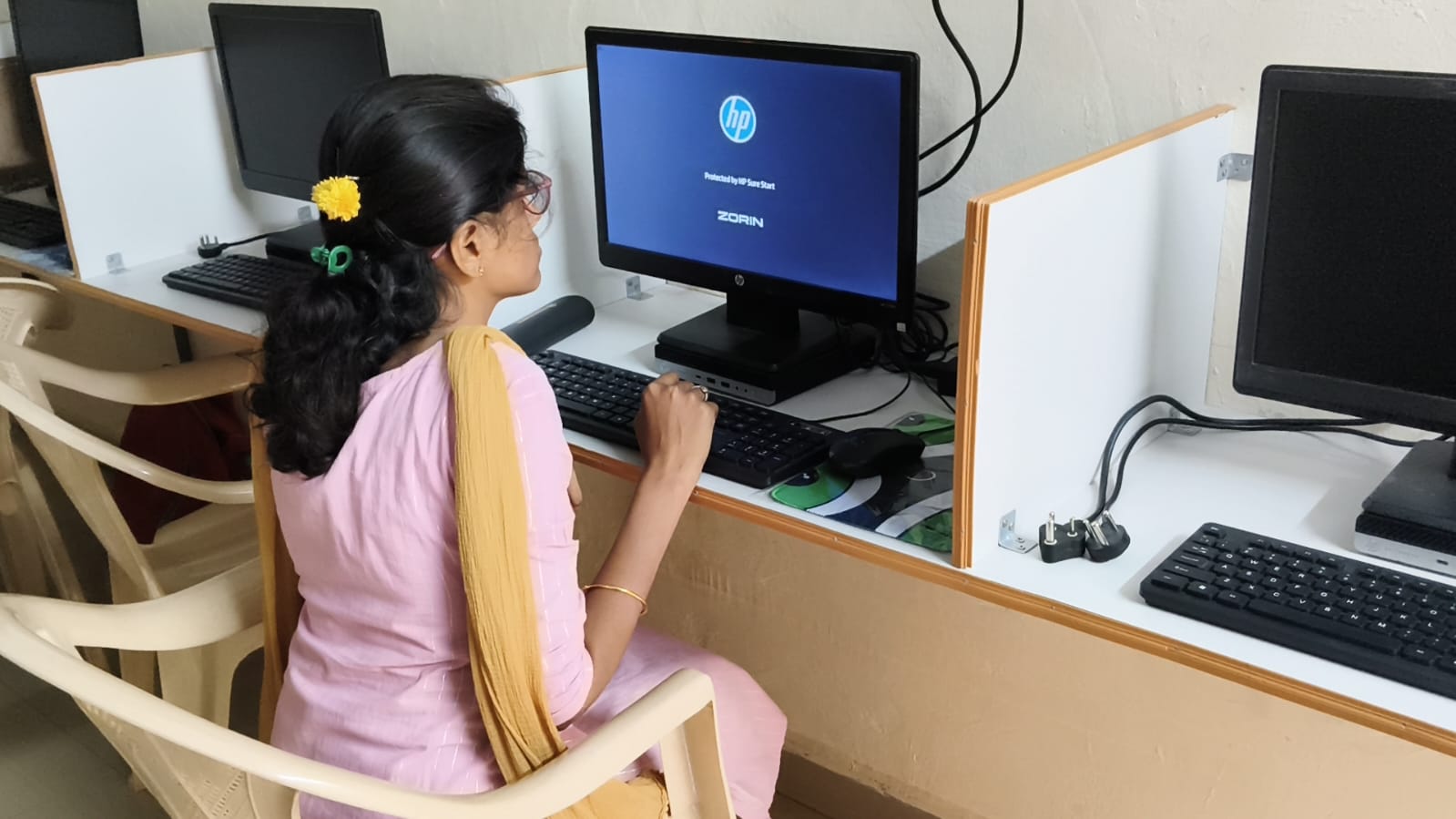
4. Lack of Proper Tools: Without a computer or digital learning platform, students can’t access quality educational content. They get bored faster. Boredom kills attention span instantly.
5. Digital Chaos: Ironically, the wrong tech setup (slow devices, distracting notifications) destroys focus more than helpful technology. Learn about the screen time learning myth to understand how the right tools actually improve concentration.
How Learning Environment Shapes Student Focus
Think of attention span like a muscle. You wouldn’t expect someone to lift weights in a dark, noisy gym with broken equipment. Similarly, you can’t expect your child to maintain focus in a chaotic, poorly equipped study space.
When the environment supports learning, attention span naturally extends. Students can concentrate for 45 minutes, 60 minutes, even 90 minutes because the space isn’t fighting against them.
A proper study space includes:
- Adequate natural or LED lighting (minimum 500 lux)
- A quiet corner away from household traffic
- A proper desk and chair for correct posture
- A reliable computer for accessing digital learning platforms
- Minimal visual clutter
The Role of Digital Tools in Maintaining Attention Span
Here’s what parents often miss: the right technology actually improves focus, not weakens it. When students can access interactive lessons, practice problems with instant feedback, and track their progress, they stay engaged longer.
Platforms like DIKSHA offer structured learning that holds attention better than passive textbook reading. But these platforms require a functioning device. A slow, outdated computer frustrates students and breaks their concentration within minutes.
An affordable, reliable computer (like those at Rs.21,000) transforms your child’s ability to maintain focus. They can attend online classes, submit assignments on time, and access learning materials whenever they’re ready.
Practical Steps to Build a Focus-Friendly Study Environment
Step 1: Audit Your Current Space. Walk into your child’s study area. Is it dark? Noisy? Cramped? These are attention span killers, not character flaws in your child.
Step 2: Fix Lighting. Add a desk lamp or ensure natural light reaches the study area. Good lighting alone can extend focus time by 30%.
Step 3: Create a Quiet Zone. If possible, move the study space away from TVs, traffic noise, and high-traffic areas. Even a quiet bedroom corner works.
Step 4: Invest in Proper Furniture. A Rs.3,000-5,000 desk and chair prevent physical discomfort that breaks attention span.
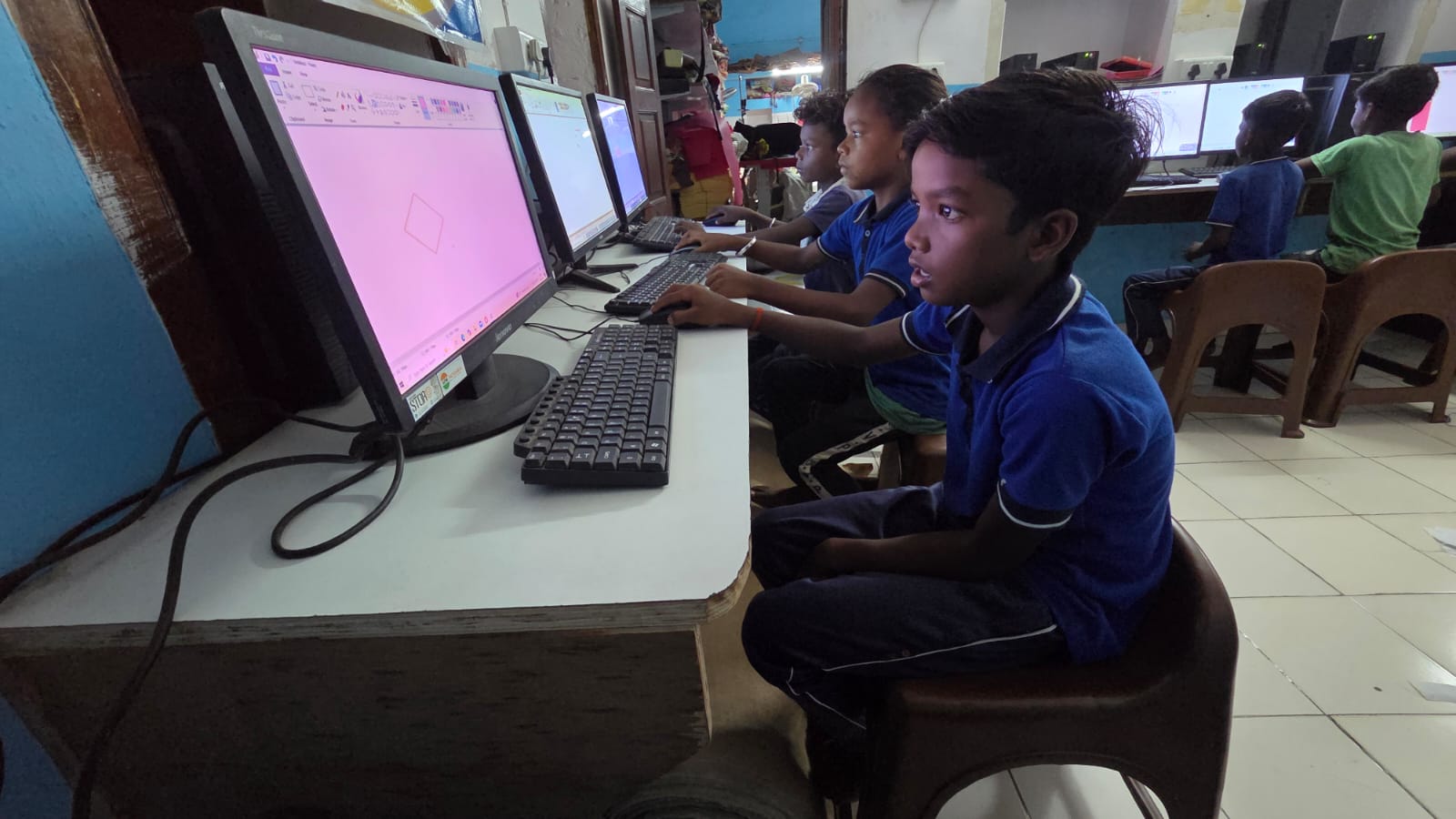
Step 5: Get a Reliable Computer. This is non-negotiable for modern learning. Your child needs to access online resources, submit work digitally, and prepare for competitive exams. An affordable educational computer removes technical frustration that destroys focus.
Attention Span Isn’t Fixed, Environments Are
Your child isn’t broken. Their environment probably is. When you optimise the learning space, reduce distractions, and provide the right tools, attention span naturally improves. Students who “can’t focus” for more than 10 minutes at home often concentrate for full school periods because the classroom environment supports it.
The good news: you can replicate that at home. Start small. Fix one thing this week. Better lighting, a quieter corner, or a functioning computer. Watch how your child’s ability to focus shifts.
Visit apnapc.com to learn more about how affordable educational computers can transform your child’s learning environment and help them build genuine, sustainable focus. Your child stares at their textbooks for five minutes, then reaches for their phone. You assume their attention span is broken. But here’s the truth: attention span isn’t the real problem. The learning environment is. Research shows that when students sit in poorly lit rooms, surrounded by distractions, or without proper study tools, their focus collapses not because they can’t concentrate, but because the space itself sabotages their ability to learn.