

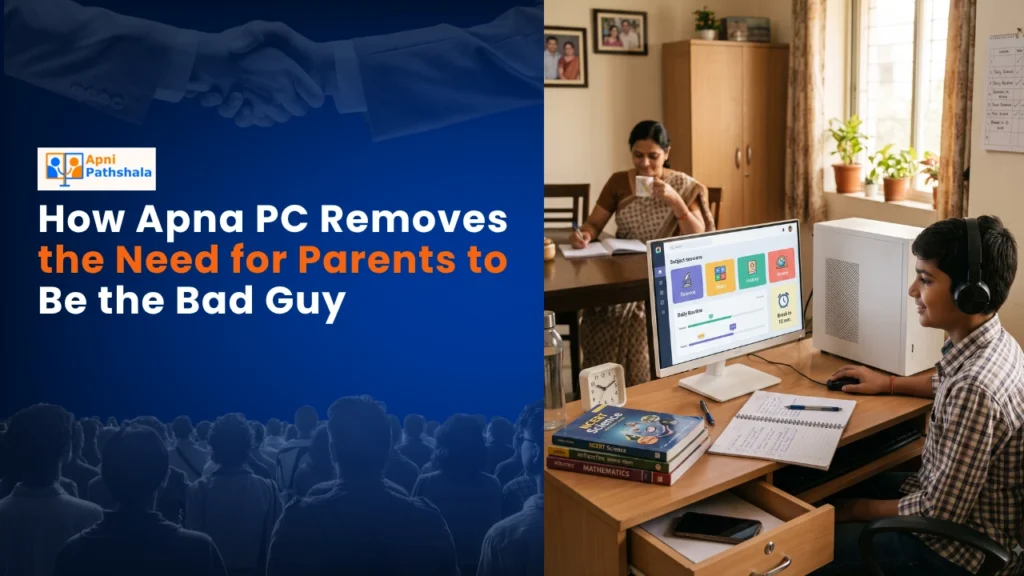
You can stop fighting over screen time by changing the device your child studies on, not by becoming stricter. When the computer itself offers learning tools instead of YouTube and games, you no longer have to be the parent who polices, threatens and takes devices away.
For example, a parent who keeps finding their child on YouTube instead of maths homework may end up shouting and then lying awake feeling guilty. The fix is often the tool, not the parenting.
Why do regular computers turn parents into the bad guy?
Because they give children access to everything, so parents must enforce every limit. YouTube, games, social media and streaming apps are all one click away from homework.
This creates a cycle. Your child resents restrictions, you feel guilty for being harsh, and the learning process gets wrapped in tension. Study motivation fades and the relationship takes a hit.
Many parents in tier-2 and tier-3 cities feel this tension daily: the child needs a computer for school, but the parent fears wasted time online.
How does a study-only computer remove the need to say no?
It is designed to say yes to learning and no to distractions, so you do not have to. Apna PC is an educational computer, not a general-purpose machine.
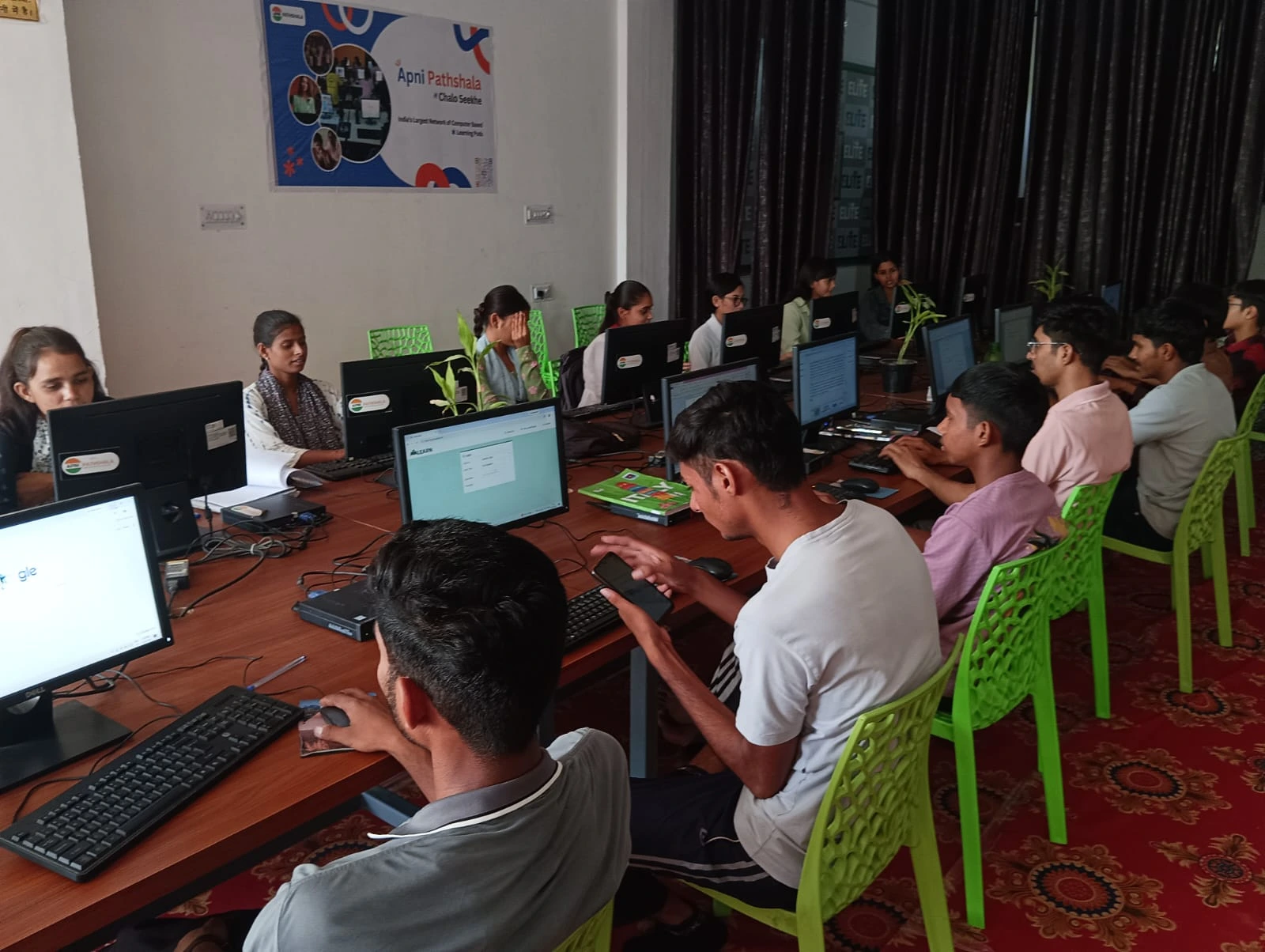
It comes with Zorin OS, a clean, distraction-free operating system. There is no app store full of games and no YouTube waiting to pull your child away. Instead, your child gets:
- LibreOffice for documents and presentations
- Scratch for learning to code
- Apni Prerna, a built-in student monitoring system that tracks progress without feeling invasive
At Rs. 30,000 (excluding shipping and GST), Apna PC is an investment in a calmer home and a better relationship. Read how families reduce arguments over homework.
How does a study computer support motivation naturally?
Motivation grows from confidence and success, not fear of punishment. When your child sits at Apna PC, the focus is on what they can do.
The 8GB of RAM and 128GB SSD run educational software smoothly, so projects, presentations and coding happen without frustrating lag. Smooth performance builds confidence, and confidence builds motivation.
Apni Prerna shows what your child is working on, how long they spend on each subject and where they may need help. This is splitting study supervision between you and the device: informed, not interrogating. Your child can also use the DIKSHA digital learning platform for structured learning content.
How do conversations change when the device does the enforcing?
They move from blame to encouragement. The table shows the shift.
| Before | After |
|---|---|
| “Why weren’t you studying?” | “I saw you completed three maths assignments this week. That’s great progress.” |
| Checking the screen over their shoulder | Reviewing progress together in Apni Prerna |
| Taking devices away as punishment | Celebrating finished projects |
How can parents build a reward system that works?
Celebrate real progress, like finished assignments or a completed Scratch project. Recognition keeps motivation high without bribes or threats.
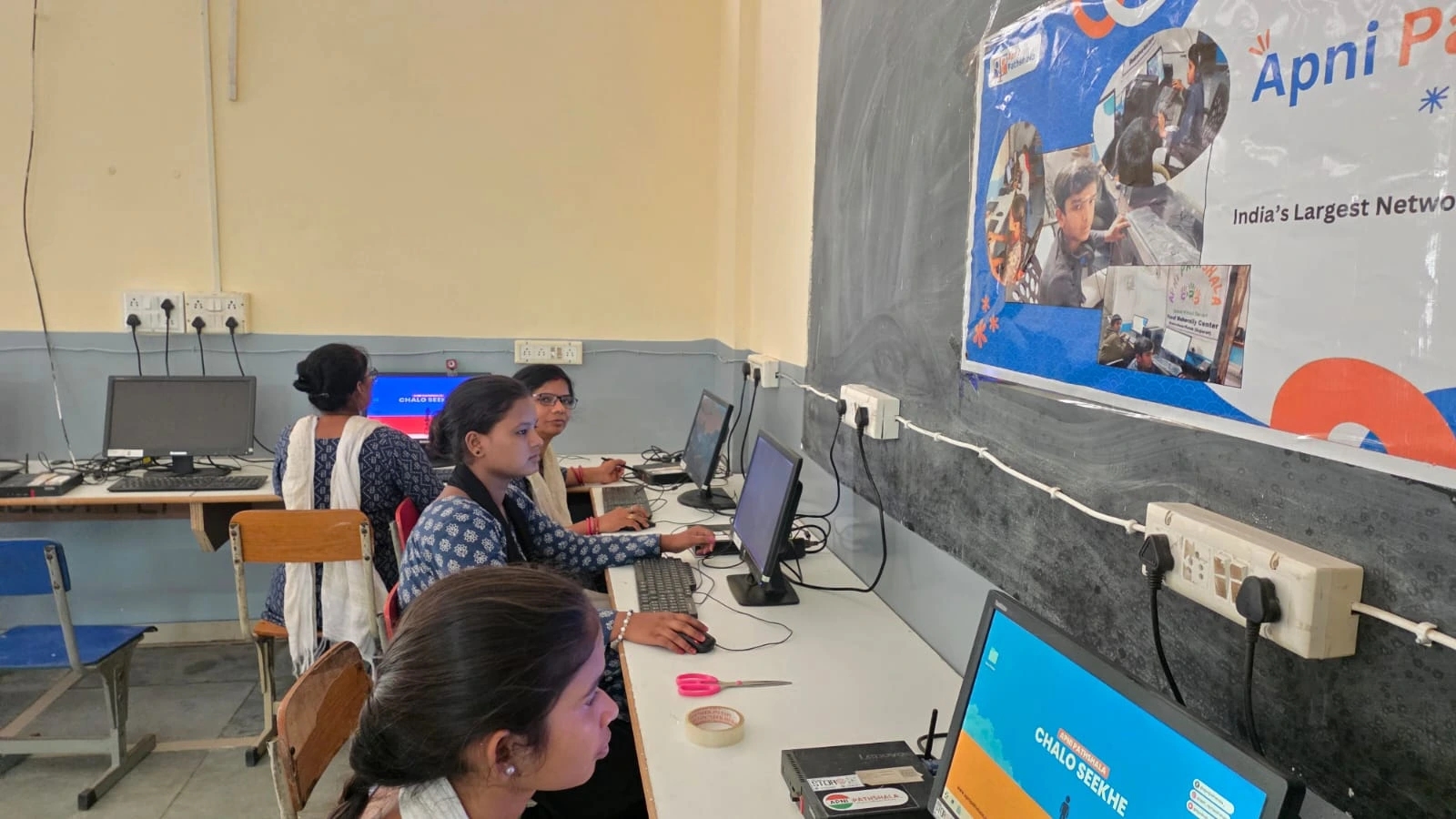
A reward system for study milestones gives you a ready structure. The computer becomes a partner in your child’s progress rather than a battleground.
Positive parenting builds a child up, while punishment-based parenting tends to wear them down, even with good intentions.
Does a focused computer teach responsibility?
Yes, because children choose to learn in the right environment instead of fighting restrictions. The device is focused rather than locked down in a way that feels controlling.
Children learn that computers are tools for growth, not only entertainment, and build healthy digital habits early. They do not resent you for taking devices away, because you never had to. Over time, better study habits become their own.
That is the real benefit: you get to be the supportive parent you want to be, not the enforcer.
Frequently Asked Questions
Is taking away the phone an effective punishment?
It often stops the behaviour briefly but builds resentment. Children may see you as the villain rather than learning better habits. Changing the study environment, so distractions are not available during homework, usually works better and keeps your relationship calmer.
Will my child feel spied on by Apni Prerna?
Not if you use it openly. Apni Prerna shows progress and time on subjects, not every action. Reviewing it together and praising effort helps your child see it as support. You stay informed without hovering over their shoulder.
What should I praise to keep my child motivated?
Praise specific effort and progress, such as finished assignments, a completed coding project or steady daily study. Specific praise shows you noticed real work. It builds confidence, which drives motivation far more than fear of punishment does.
If you want to stop being the bad guy at homework time, explore Apna PC.