

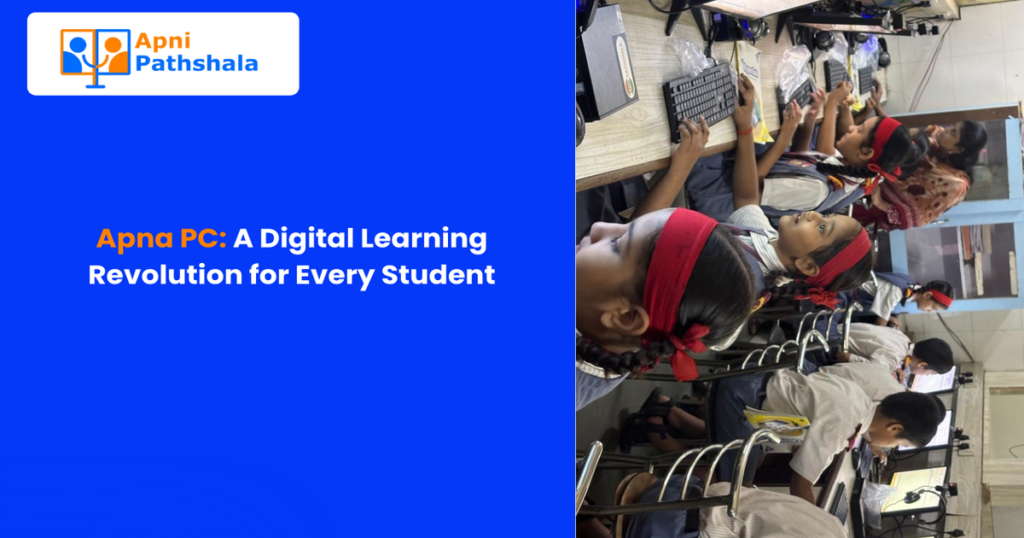
In today’s fast-changing world, technology is not a luxury; it is a necessity. Education systems across the globe are shifting toward digital platforms, online resources, and technology-driven learning. Yet, millions of students still lack access to basic digital tools. The absence of a personal computer often becomes a silent barrier that limits their potential.
Apna PC is a powerful initiative designed to remove that barrier. It focuses on creating shared digital access points that enable students to learn, explore, and develop essential skills without the burden of owning expensive devices. By promoting collective access and structured usage, Apna PC is transforming how education reaches communities.
The Reality of Digital Inequality
While urban schools rapidly integrate smart classrooms and digital assignments, many students in semi-urban and rural areas struggle with limited access to technology. A computer at home is still a dream for countless families. Even when smartphones are available, they cannot replace the experience and functionality of a proper computer system for learning.
This digital inequality creates long-term disadvantages:
-
- Students fall behind in digital literacy.
-
- They lack exposure to essential software and tools.
-
- Career readiness becomes limited.
-
- Confidence in using technology remains low.
Apna PC addresses this gap not by focusing on ownership but by creating accessible learning spaces that maximize the impact of each computer.
What Is Apna PC?
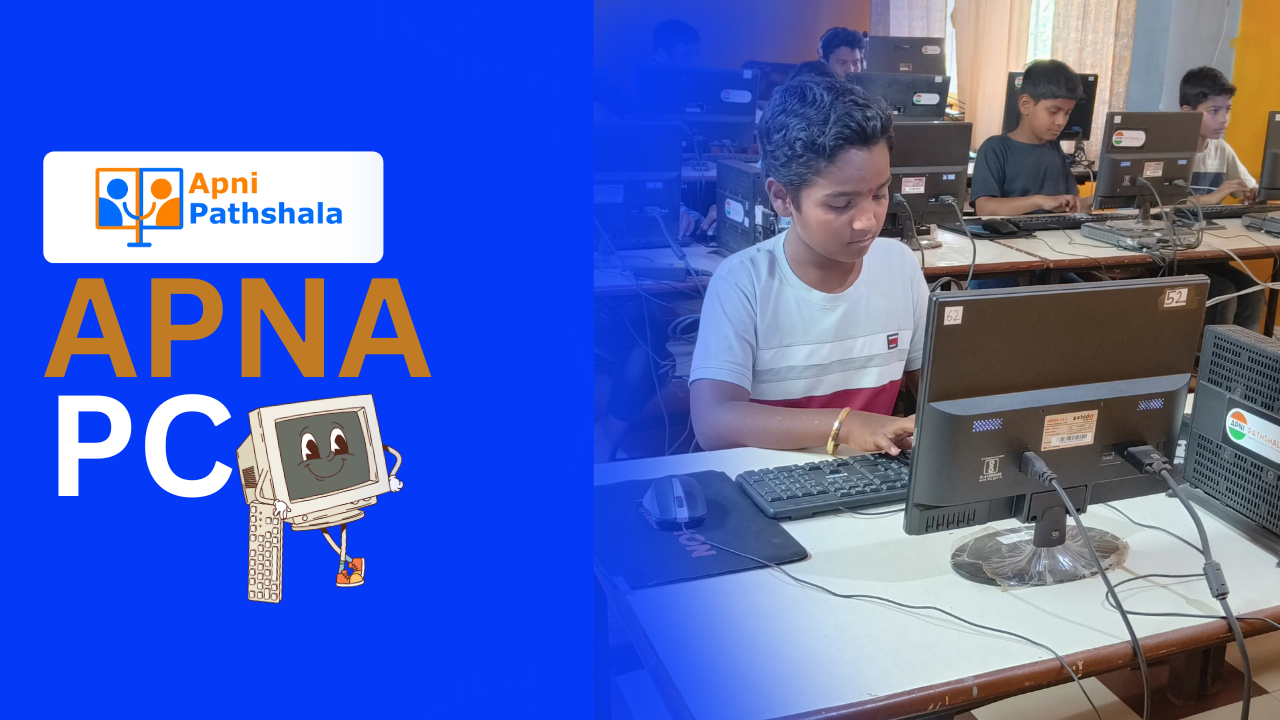
Apna PC is a shared-computer learning model that ensures students have structured, guided access to digital tools. Instead of requiring every learner to purchase a personal system, Apna PC establishes community-based or institution-based digital hubs where multiple students can benefit from shared resources.
The goal is simple:
Make digital learning accessible, affordable, and impactful.
This model ensures sustainability while serving a larger number of learners.
Why Shared Access Works
Many people believe that every student must own a personal laptop to succeed. While personal devices are helpful, shared access models can be equally effective when managed properly.
Here’s why Apna PC’s shared model works:
1. Maximum Utilization of Resources
Instead of devices lying unused for hours, shared systems operate in structured time slots, ensuring continuous learning.
2. Cost-Effective Approach
Schools and communities can invest in fewer systems while benefiting more students.
3. Collaborative Learning
Students learn together, help each other, and build teamwork skills.
4. Supervised and Purposeful Usage
Technology is used primarily for educational and skill-based activities, reducing distractions.
This approach ensures technology becomes a tool for growth rather than entertainment.
How Apna PC Empowers Students
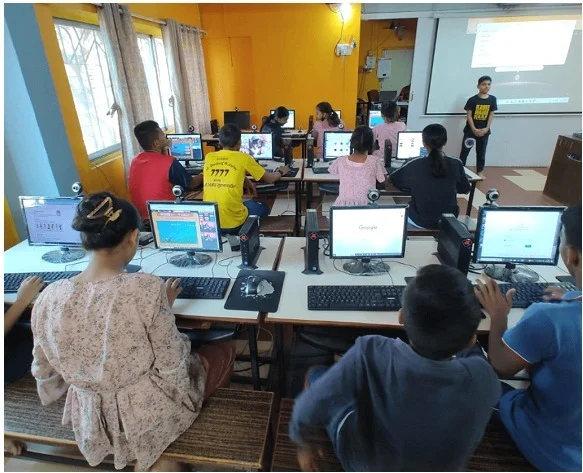
The biggest impact of Apna PC is seen in students’ confidence. When learners get hands-on experience, they move from curiosity to competence.
Through Apna PC, students:
-
- Learn basic computer operations.
-
- Practice typing and digital communication.
-
- Conduct online research for projects.
-
- Create presentations and assignments.
-
- Explore educational platforms.
This exposure builds technical familiarity that becomes valuable in higher education and future careers.
More importantly, it removes fear. Many students hesitate to use technology because they feel inexperienced. Regular access through Apna PC turns hesitation into confidence.
Building Skills Beyond Academics
Modern education demands more than textbook knowledge. Employers today look for digital competence, problem-solving ability, and adaptability.
Apna PC contributes to skill development by enabling:
-
- Digital literacy
-
- Online collaboration
-
- Information analysis
-
- Creative learning
-
- Basic technical troubleshooting
These skills prepare students for real-world challenges. Even those who do not pursue technology careers benefit from digital awareness in almost every profession.
Supporting Teachers in the Digital Era
Technology is not only for students, but it is also equally important for educators. Teachers who have access to digital tools can deliver more interactive and engaging lessons.
With Apna PC, educators can:
-
- Use digital presentations to explain concepts clearly.
-
- Access updated teaching materials.
-
- Conduct research to improve lesson quality.
-
- Integrate multimedia into classrooms.
This transforms the traditional classroom into a modern learning environment.
When teachers grow digitally, students benefit automatically.
Strengthening Community Education
Apna PC is not just an educational setup; it is a community movement. Shared digital spaces encourage collaboration, peer learning, and mutual growth.
Community-based digital access:
-
- Promotes inclusivity.
-
- Reduces social inequality.
-
- Encourages responsible usage of technology.
-
- Creates a culture of shared learning.
Such spaces often become hubs where students, educators, and volunteers come together to exchange knowledge and ideas.
Encouraging Responsible Digital Habits
Access to technology must be balanced with guidance. Apna PC promotes responsible and educational use of computers. Structured schedules and supervision ensure that learners focus on skill-building activities.
Students are guided to:
-
- Use the internet safely.
-
- Protect their digital privacy.
-
- Avoid misuse of online platforms.
-
- Prioritize educational applications.
This creates digitally aware and responsible citizens.
Preparing for a Digital Future
The future of education, work, and communication is deeply connected to technology. Students who adapt early gain a competitive advantage. Apna PC provides that early exposure in a structured and supportive way.
From higher education applications to online job portals, from digital certifications to remote work opportunities, technology plays a role everywhere.
Apna PC ensures that students are not left behind in this digital transformation.
A Vision for Inclusive Growth
At its core, Apna PC represents inclusivity. It believes that financial limitations should never define a student’s educational opportunities. By making technology accessible through shared infrastructure, it creates equal learning grounds.
Education should empower every learner equally. Apna PC is a step toward making that vision a reality.
Conclusion
Apna PC is more than a project; it is a movement toward digital equality in education. By providing shared access to computers in structured environments, it empowers students, strengthens teachers, and supports communities.
In a world where technology defines opportunity, Apna PC ensures that opportunity reaches everyone.
The digital future belongs to those who are prepared. With initiatives like Apna PC, preparation becomes accessible, inclusive, and impactful.