


Ravi’s Discovery: Why Local History Matters
Ravi sat in his grandmother’s house in Indore, listening to stories about the old textile mills that once powered the city. His school had assigned a history project on local heritage, and he felt stuck. His grandmother’s memories were precious, but how could he turn them into research? That’s when his parents brought home an Apna PC, a computer designed for students like Ravi. Within hours, he’d found old photographs, newspaper archives, and government records about Indore’s industrial past. Local history research suddenly felt real, personal, and achievable.
You might think studying your town’s past is just for museums or university scholars. But your child can become a local historian right from home using a computer and digital resources. Learning about your town’s past helps students understand how communities develop, why certain landmarks exist, and how ordinary people shaped your region. It’s a powerful way to connect classroom learning with real life.
Why Your Child Should Dig Into the Past
This kind of research teaches critical thinking in ways textbooks can’t. When your child investigates their town’s past, they learn to ask questions: Why was this market built here? Who were the freedom fighters from our district? What industries once thrived in our area? These questions push them to find answers through multiple sources.
Researching your area’s heritage also builds pride in your community. Students discover that their hometown has stories as important as any national narrative. A girl in a Tier 2 city might learn that her great-grandfather worked on a dam project that still supplies water today. A boy might find that his locality was once a trade route connecting ancient kingdoms. These discoveries make history personal.
For school projects, this type of work stands out. Teachers notice when students bring fresh perspectives backed by real evidence. Your child isn’t just repeating textbook facts. They’re presenting original findings from archives, interviews, and digital collections.
Digital Resources for Local History Research at Home
You no longer need to visit libraries or travel to research centres. Your computer can connect you to incredible digital archives. Government websites, such as the Indian Ministry of Education, maintain historical records. Many state government portals have digitised old documents, maps, and photographs from your region.
Newspaper archives are goldmines for this work. Old editions of regional newspapers reveal what happened in your town decades ago. Many libraries have digitised these collections. Your child can search for specific years, events, or names. A single newspaper article from 1947 might describe your town during Independence, or one from the 1960s might show what a particular street looked like.
Try these starting points for your local history research:
- State archives and historical societies (most have websites)
- District administration websites with heritage information
- Online museum collections and virtual museum tours
- Google Books and Internet Archive for old regional publications
- UNESCO and heritage organisation databases through UNESCO global education research
- Community websites and local history blogs run by enthusiasts
How Apna PC Makes Local History Research Easy
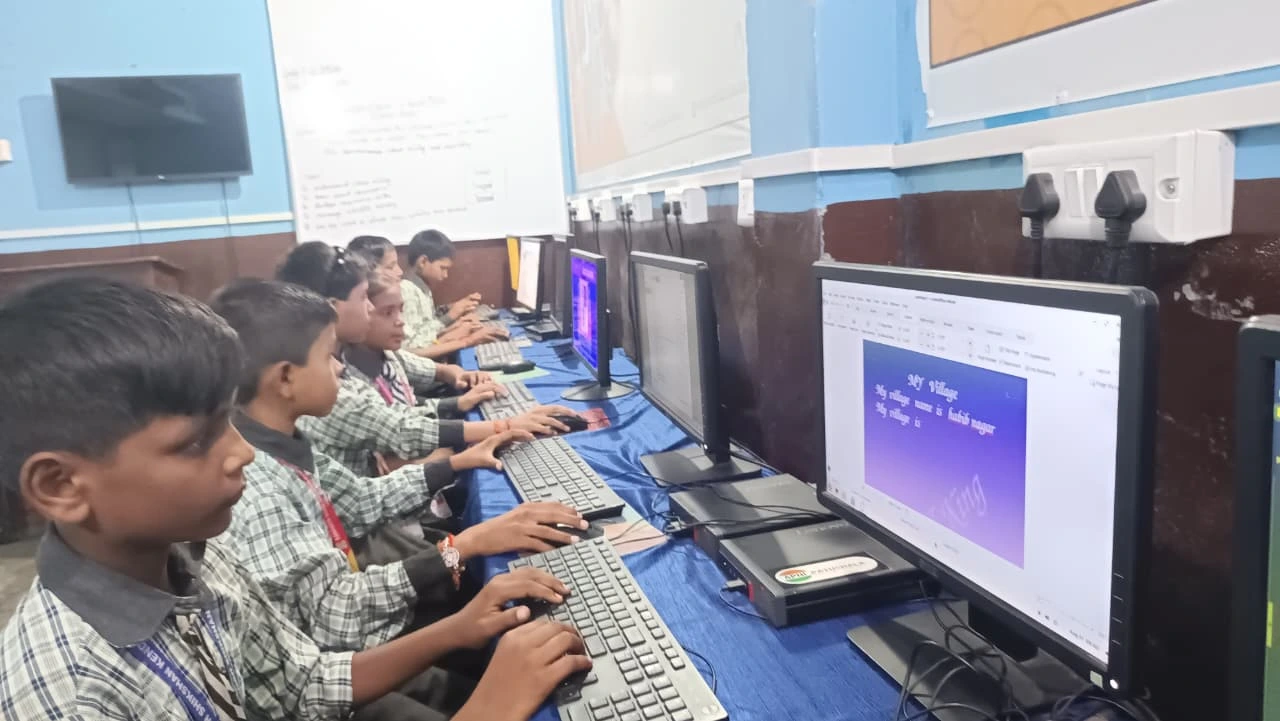
Your child needs a reliable computer to conduct proper research. Apna PC is built for Indian students with exactly this kind of learning in mind. It comes with 8GB RAM and 128GB SSD storage, meaning it runs smoothly even when your child has multiple browser tabs open researching different sources.
The system includes LibreOffice, which helps your child organise findings into documents and presentations. Your child can create reports with images, quotes, and citations. Scratch is preloaded too, so creative students can even build interactive timelines or digital stories about their findings.
What’s more, Apni Prerna helps parents monitor what your child accesses. You can feel confident that your child is using the computer for genuine research and learning. The computer comes with Zorin OS, a user-friendly operating system that doesn’t slow down with age. At Rs.30,000 (shipping and GST excluded), Apna PC offers serious computing power without breaking your budget.
The Digital India initiative supports educational technology for students across the country. Apna PC aligns with this vision by making quality computers accessible to families in Tier 2 and Tier 3 cities.
Practical Steps for Your Child’s History Project
Start by having your child choose a specific topic. Instead of researching “history of my city,” narrow it down: “The old fort near my home,” “Famous freedom fighters from our district,” or “How my town’s market developed.” Specific topics make research manageable and results more impressive.
Next, create a research plan. Your child should list questions they want to answer. Then identify where to find answers. Will they search government websites? Check newspaper archives? Interview elders in the community? A good local history research project combines multiple sources.
Encourage your child to take screenshots and notes as they discover information. They should record where each piece came from (website URL, book title, person interviewed). This builds research skills that matter throughout their education.
Finally, help your child present findings creatively. They might create a digital presentation, write an article, make a video, or design an infographic. Using digital tools to address local problems and presenting original research shows teachers that your child understands how technology supports learning.
Why This Matters for Your Child’s Future
This kind of exploration develops skills employers value: research ability, critical thinking, digital literacy, and communication. Your child learns to find reliable information in a world full of misinformation. They practice organising complex information and presenting it clearly. These skills transfer to every subject and career path.
When your child does this research on a quality computer like Apna PC, they’re not just completing a school assignment. They’re becoming a digital citizen who can access, analyse, and share knowledge. They’re contributing to their community’s historical record. They’re proving that students in smaller cities can do work of the same quality as anyone anywhere.
This research could even inspire others. A well-researched project might be shared with the school library, local museum, or community group. Imagine your child’s work helping preserve your town’s heritage for future generations.
Give your child the tools to explore their roots and understand their world. A computer designed for learning, combined with curiosity about local history, opens doors you might not expect. Visit apnapc.com to learn more.