


Ravi’s mother sat across from his school principal, worried. Her son scored 65 in mathematics last year, but this year he was struggling even more. The principal asked a simple question: “Does Ravi review what he’s learned? Does he keep track of his progress?” His mother had no answer. She’d never thought about it. That’s when she realised something crucial. Ravi wasn’t just missing lessons. He was missing a digital learning record of everything he’d learned. Without this, he couldn’t see his own growth or identify where he went wrong.
This story plays out in thousands of Indian homes every year. Students study hard, but they don’t document their learning journey. They don’t maintain a digital learning record. This simple habit could change everything about how your child learns and grows.
What Is a Digital Learning Record and Why Your Child Needs One
A digital learning record is simply a collection of your child’s learning materials, notes, projects, and progress stored in one place. It’s not just about saving files on a computer. It’s about creating a personal archive where your child can see their entire learning journey unfold.
Think of it like a progress report your child writes for themselves. When your son or daughter maintains this record, they’re not just storing information. They’re actively reflecting on what they’ve learned. This reflection is where real learning happens. Research on how humans learn best shows that students who review their own progress learn 40% faster than those who don’t.
Over time, your child’s digital learning record becomes their personal teacher. When they’re confused about a topic, they can look back at their notes and see exactly where they understood it before. This builds confidence and independence.
How a Learning Journal Helps Track Real Progress
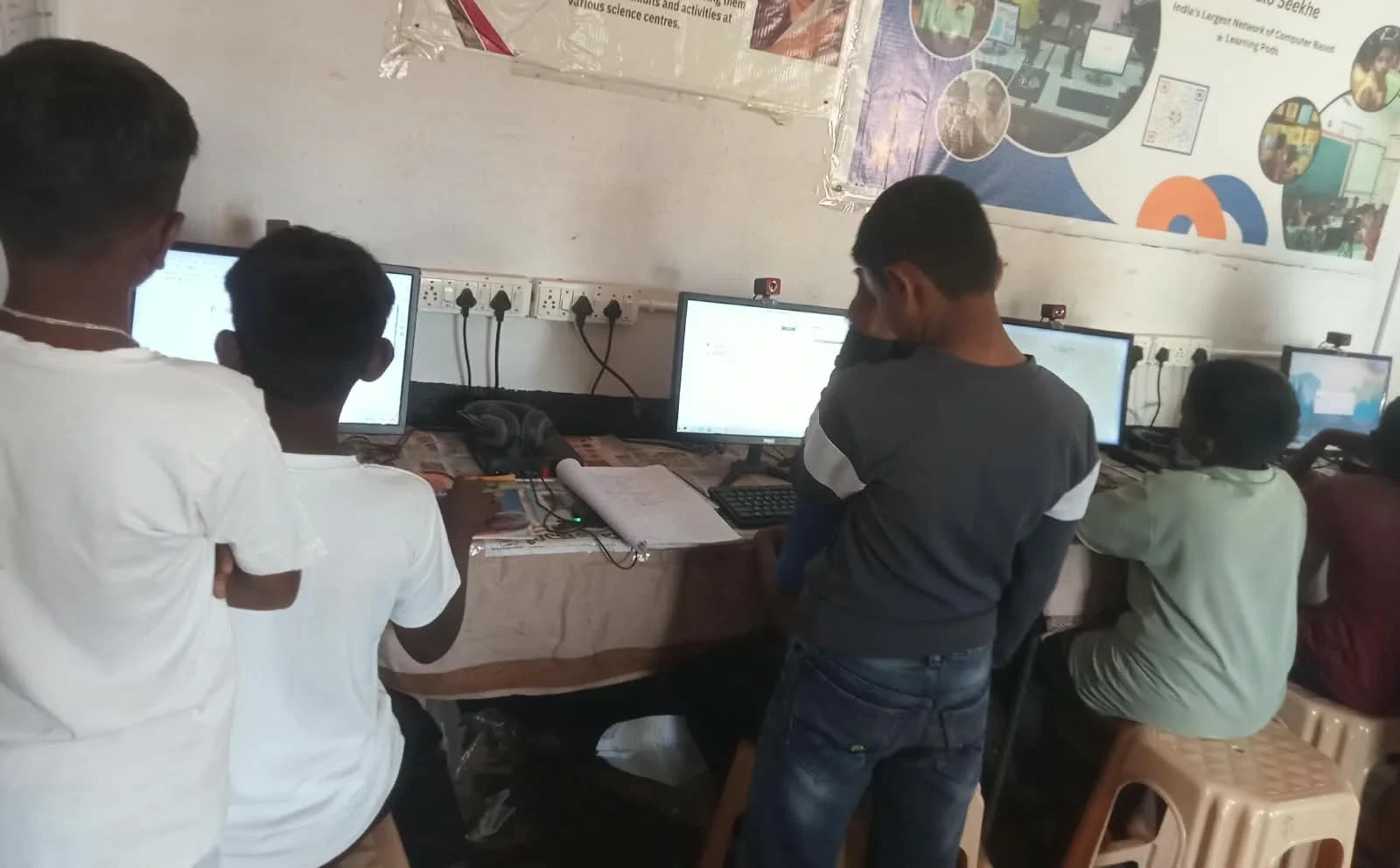
A learning journal is the heart of your child’s digital learning record. It’s where they write down what they learned each day, what confused them, and what they want to improve. This isn’t busy work. This is how your child becomes aware of their own learning.
When your daughter keeps a learning journal, she’s doing something powerful. She’s stopping to think about what she’s learned instead of just moving on to the next chapter. She’s asking herself: “Did I really understand this? What do I need to practice more?” These questions are where skill development begins.
Parents in tier 2 and tier 3 cities often tell us: “We don’t have access to fancy tutoring centres here.” That’s true. But you don’t need them. Your child’s learning journal becomes better than any tutor because it’s personalised to their exact needs. A tutor teaches many students the same way. A learning journal teaches your child exactly what they need.
- Your child records daily lessons and key concepts
- They note areas where they struggled and overcame challenges
- They save project files, test papers, and creative work
- They track their grades and see improvement over months
- They build confidence by reviewing past achievements
When your child looks back at their journal from three months ago and sees how much they’ve improved, something shifts. They believe they can learn. They believe they can improve. This belief is worth more than any test score.
Skill Development Happens When Students See Their Own Growth
Your child learns skills like mathematics, languages, and science. But they also learn something more important: how to learn. This meta-skill comes from tracking their own progress. When your child keeps a digital learning record, they learn how to be a better student.
This is exactly what the Digital India initiative is pushing for. The government wants every child to be comfortable with digital tools and digital thinking. Your child’s learning journal isn’t just helpful. It’s preparing them for a digital future where self-directed learning is essential.
Skill development isn’t just about knowing facts. It’s about applying knowledge, solving problems, and learning independently. When your child keeps a digital learning record, they practise all three skills every day.
Building a Digital Study Archive at Home
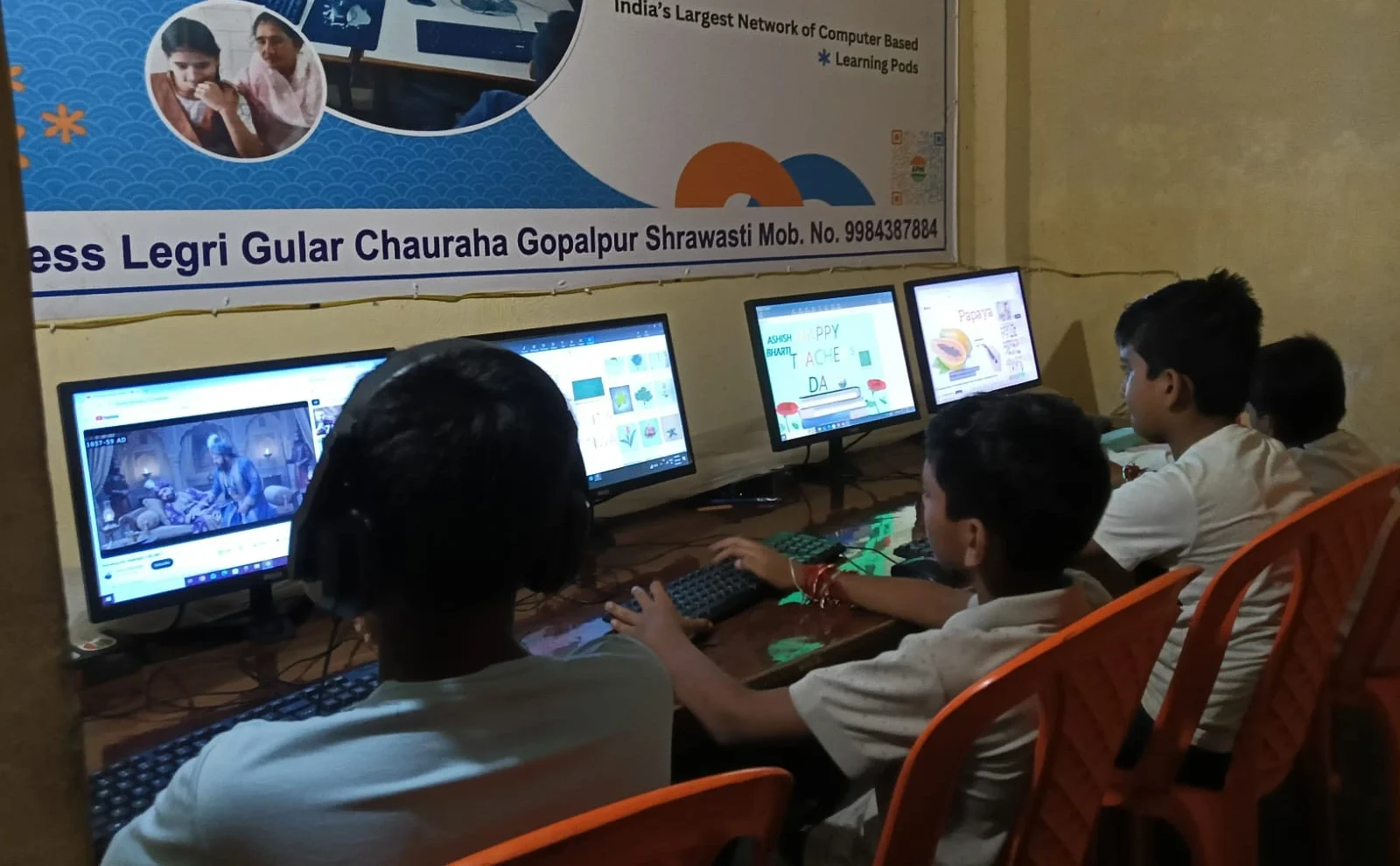
You don’t need expensive software or complicated systems. Start simple. Your child can create folders on a computer for each subject. They can save notes, assignments, and test papers. They can take screenshots of important concepts. They can record audio notes explaining difficult topics.
This is exactly what a digital study archive is. It’s your child’s personal learning library. And it grows every day.
Many students also find that blogging with a home computer helps them organise their thoughts and track their progress. Your child can write short posts about what they learned, what challenged them, and what they want to improve. This writing forces them to think clearly about their learning.
The best part? When your child sits down to study for exams, they already have everything organised. They don’t waste time searching for notes. They don’t forget what they learned two months ago. Their digital learning record is right there, ready to help them review and prepare.
Why Your Family Needs the Right Tools
A good computer makes this whole process easier. Your child needs a device that’s reliable, fast enough for schoolwork, and affordable. This is where Apna PC comes in. It’s an educational computer built specifically for Indian students, priced at Rs.30,000 (shipping and GST excluded).
Apna PC comes preloaded with Zorin OS, LibreOffice for documents and spreadsheets, and Scratch for learning to code. It has 8GB RAM and 128GB SSD storage, which is plenty for your child’s digital learning record. It also includes Apni Prerna, a tool that helps you monitor your child’s progress and learning habits.
Think about it. Your child can keep a learning journal, save projects, organise study materials, and even create digital presentations. All on one reliable device built for students like them.
The Ministry of Education recommends that every student have access to digital learning tools. Apna PC makes this recommendation affordable for families in tier 2 and tier 3 cities.
Your child’s future depends on their ability to learn, adapt, and grow. A digital learning record is the foundation of all three. Start today by helping your child create their first learning journal. Set up their first digital study archive. Watch as they become more aware of their own progress, more confident in their abilities, and more independent in their learning.
Your child deserves tools that help them succeed. Visit apnapc.com to learn more.