


Priya’s First Blog Post Changed Everything
Priya sat in her small room in Indore, staring at a blank screen on her old laptop. She’d just finished writing a 2,000-word essay about climate change for her school project, but something felt different this time. Instead of just submitting it to her teacher, she thought: what if other students could read this? What if her words could help someone else understand the topic better? That’s when she decided to start blogging for students like herself. Within three months, her blog had 5,000 readers from across India. Today, she’s sharing how you can begin your own blogging journey using just your computer.
Why Blogging for Students Matters for Your Future
Blogging isn’t just about sharing random thoughts online. It’s about developing skills that’ll help you in college, job interviews, and your career. When you write regularly, your communication improves dramatically. Your ability to organise ideas becomes sharper. You learn how to research topics deeply and present information clearly to an audience.
The Ministry of Education encourages students to develop digital literacy and creative expression. Blogging does exactly that. You’re no longer just consuming content; you’re creating it. You’re becoming a content creator, which is one of the most valuable skills in the job market.
Beyond skills, blogging builds your personal brand. When you apply for internships or jobs later, employers can see your work. They can read your thoughts, understand your writing style, and judge your expertise. Starting a student blog early gives you a real advantage.
Getting Started: What You Actually Need
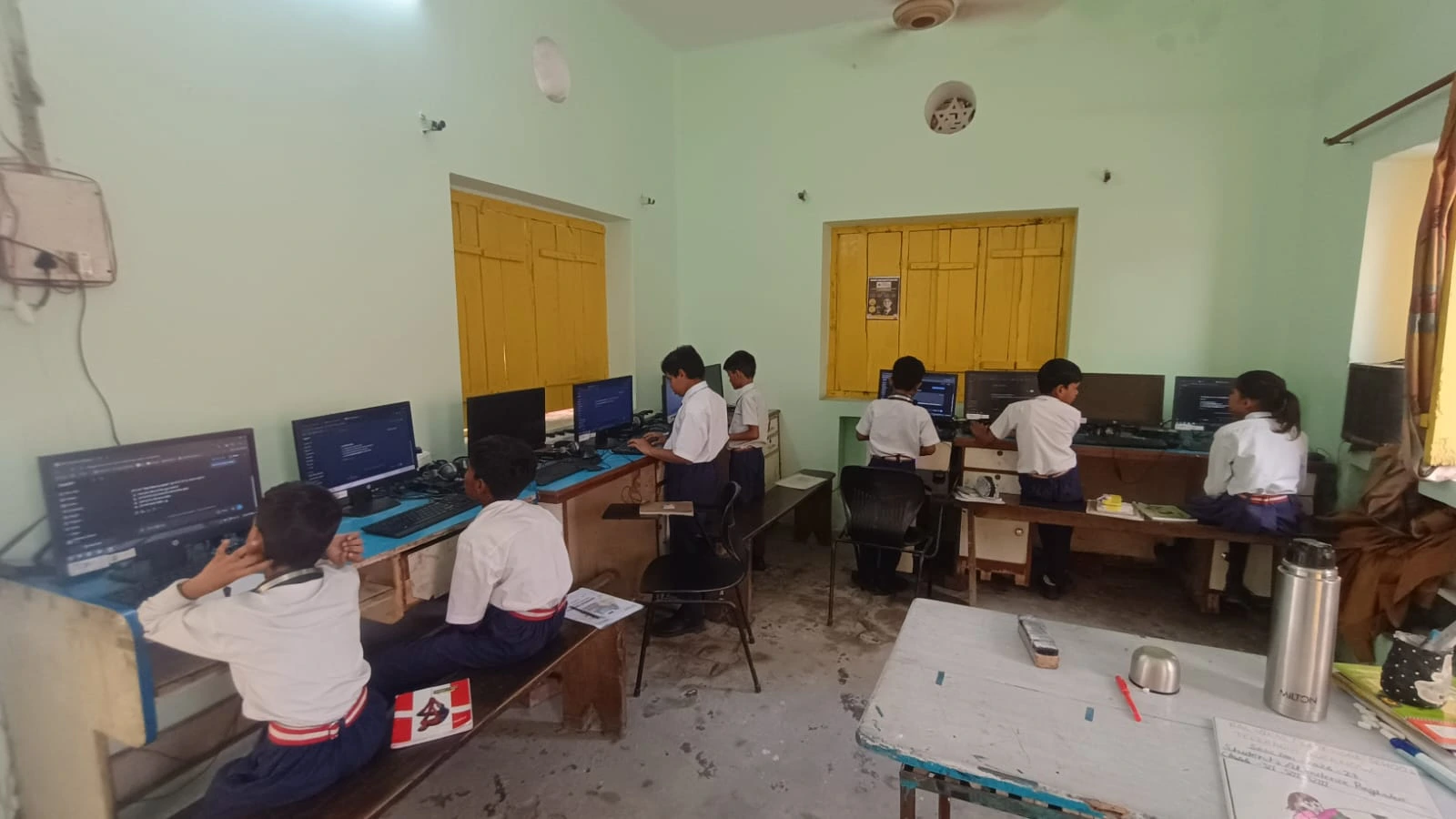
You don’t need expensive equipment to start blogging. A decent computer with reliable internet is all you need. Your PC should have enough processing power to handle multiple browser tabs, a text editor, and maybe some image editing software. It should be fast enough that you don’t get frustrated waiting for programs to load.
Here’s what makes blogging easier on the right computer:
- Fast processor: Loads your blogging platform quickly so you can focus on writing
- Good RAM: Lets you keep multiple research tabs open while drafting
- Decent storage: Stores your blog drafts, images, and backup files safely
- Reliable OS: Gives you access to all the blogging tools you need
The Apna PC is designed exactly for students who want to create content. With 8GB RAM and 128GB SSD, it handles everything a student blogger needs. It comes pre-loaded with LibreOffice for writing, and the Zorin OS runs smoothly without any lag. At just Rs.30,000 (plus shipping and GST), it’s affordable for most families.
Choosing Your Blogging Platform
You’ve got several free options to start blogging. WordPress.com is popular because it’s user-friendly and has thousands of templates. Medium is great if you want a simpler platform focused purely on writing. Blogger is Google’s platform and integrates easily with other Google tools you already use.
Pick one based on what feels comfortable. Don’t overthink this decision. You can always switch platforms later if you need to. The important thing is to actually start writing.
Finding Your Blog’s Topic
What’re you passionate about? That’s your starting point. Maybe you love science and want to explain complex topics simply. Maybe you’re into coding and want to share tutorials. Maybe you want to write about student life, mental health, or your city’s local culture.
Your blog topic should be something you can write about consistently. You don’t need to pick something “impressive” or trendy. Write about what genuinely interests you. Your authenticity will shine through, and readers will connect with that.
Look at Apni Pathshala to see how to present educational content effectively. They focus on making learning accessible, which is exactly what you should aim for with your student blog.
Writing Your First Posts
Don’t aim for perfection in your first post. Aim for clarity and honesty. Write as if you’re explaining something to a friend. Use short paragraphs. Break up your text with headings. Add images to make it visually interesting.
Start with what you know. If you’re learning about a topic, document your learning journey. Share resources that helped you. Ask questions that other students might have. This approach makes your blog valuable to your audience.
Aim to publish one post every week or two weeks. Consistency matters more than frequency. Your readers will come back if they know you post regularly.
Building Your Audience
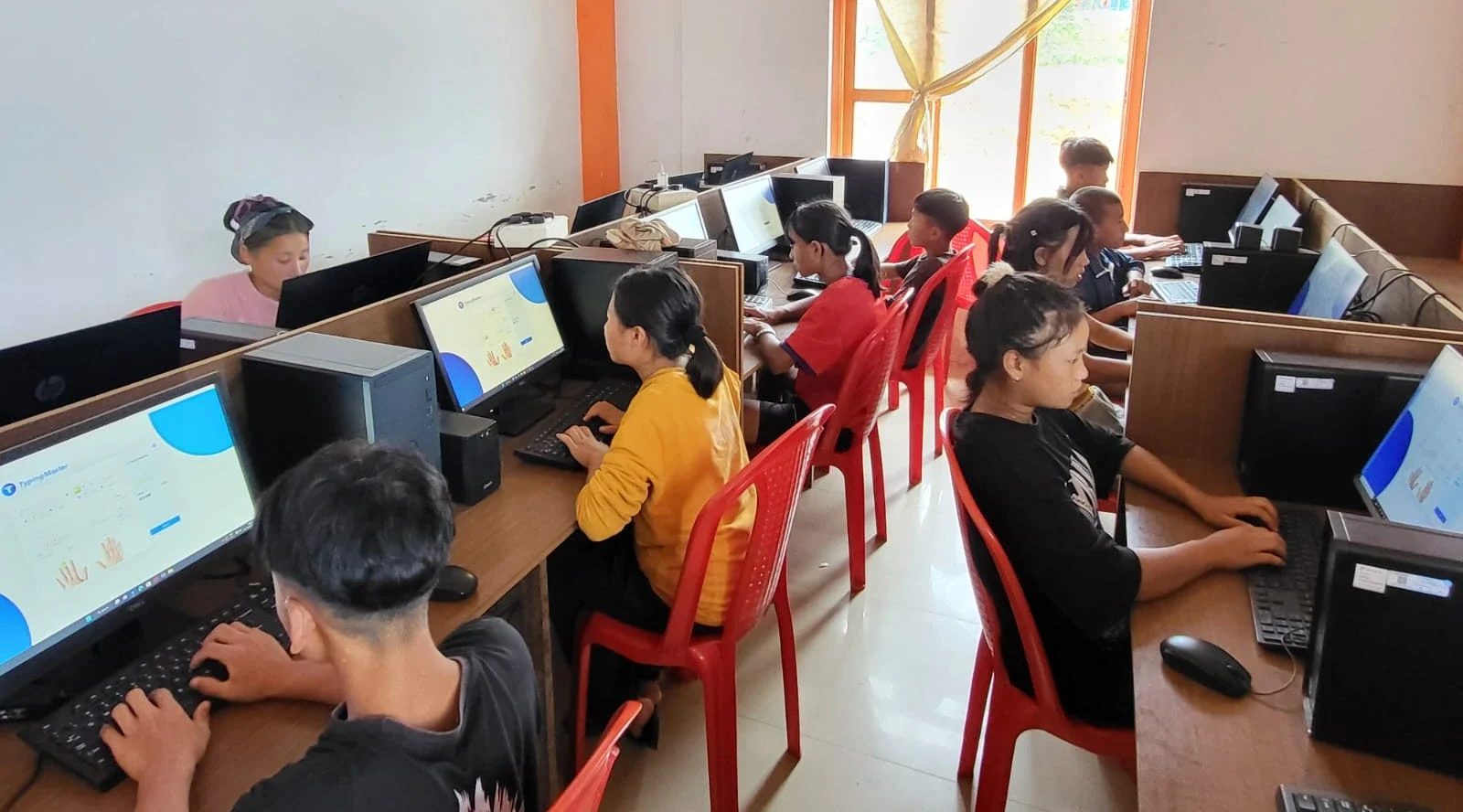
Your first readers might just be your friends and family. That’s perfectly fine. Share your posts on WhatsApp, Instagram, and other social media. Ask for feedback. Ask people to share your posts if they found them helpful.
Join online communities related to your topic. Reddit has subreddits for almost everything. Facebook groups for students exist in almost every city. Share your posts where relevant, but don’t spam. Be genuinely helpful first, and mention your blog only when it truly adds value.
Respond to every comment on your blog. Build conversations. Your readers aren’t just numbers; they’re real people who’re looking for genuine content about blogging for students.
Turning Your Blog Into Something More
As your blog grows, you might want to create your first digital product. Maybe an e-book based on your best posts. Maybe a video course. Maybe a newsletter. Your blog becomes the foundation for all these opportunities.
Some student bloggers earn money through ads or sponsorships. Others use their blogs to land internships and job offers. Your blog’s real value depends on what you do with it.
Your Blogging Journey Starts Today
You’ve got everything you need to start blogging right now. A computer, internet connection, and something to say. Don’t wait for the perfect moment or the perfect setup. Start with what you have. Start today.
Priya didn’t have fancy equipment when she started. She had curiosity, a computer, and the courage to share her thoughts. Now thousands of students read her blog every month. Your story could be similar. Visit apnapc.com to learn more.