


When Arjun Came Home With a Discovery
Last month, Arjun, a Class 6 student from Indore, rushed home excited about something he’d learned on his new Apna PC. His mother, Priya, was sceptical at first. She worried he’d spend all day playing games. But then something unexpected happened: Arjun started teaching his younger sister Zara how to use LibreOffice to make a presentation for her school project. Within an hour, Zara was creating slides independently. Priya realised her son wasn’t just learning on the computer. He was becoming a teacher through peer teaching.
This scene plays out in homes across India every day, yet many parents don’t recognise its power. Peer teaching, where students teach what they learn to their classmates or siblings, is one of the most effective ways to deepen understanding. When your child learns something on a PC and then explains it to someone else, they’re not just repeating information. They’re processing it, organising their thoughts, and building real confidence.
How Peer Teaching Works on Educational PCs
When you invest in an educational computer like Apna PC, you’re not just buying hardware. You’re opening a door for your child to become both a learner and a teacher. The pre-loaded software like Scratch, LibreOffice, and Apni Prerna creates an environment where learning happens naturally.
Here’s what happens when your child learns coding on Scratch. They start with simple blocks, learn logic, build projects, and then want to show friends what they’ve made. That’s when peer teaching kicks in. They’re explaining loops, conditions, and variables to someone else. Educational research shows this reinforces their learning by 75 to 90 per cent.
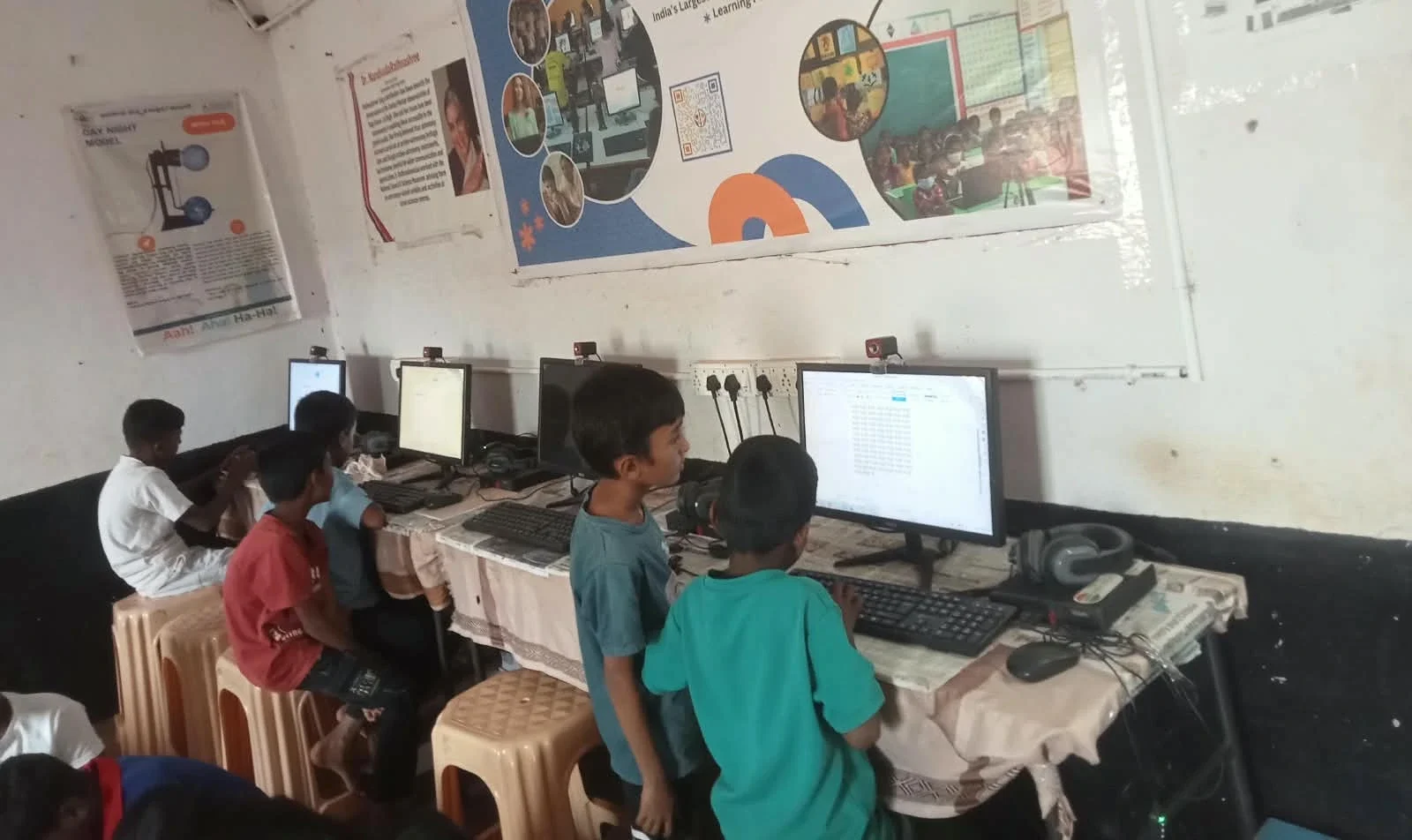
Your daughter might learn how to organise data in LibreOffice Calc. Tomorrow, she’s helping her classmate understand spreadsheets for a math project. Your son learns to create a presentation. Next week, he’s guiding his study group through the same steps. This is peer learning in action, and it costs you nothing extra.
The beauty of Apna PC is that it comes with tools designed for this. Apni Prerna helps you monitor what your child is learning. LibreOffice teaches real-world skills that students actually need. Scratch makes coding accessible and fun. When kids learn with these tools, they naturally want to share what they know.
Why Your Child Becomes a Better Learner When They Teach
Think about the last time you tried to explain something complicated to someone else. You probably discovered gaps in your own understanding. That’s exactly what happens when your child teaches a peer. They learn faster, retain information longer, and develop communication skills that’ll help them in life.
When Arjun taught Zara how to use LibreOffice, he had to break down each step. He couldn’t just say “click here and do this.” He had to think about why each step mattered. He developed patience, learned to explain clearly, and discovered he actually understood the software better than he thought.
Your child also builds confidence through peer teaching. They’re no longer just a student receiving information. They’re an expert sharing knowledge. This shift in identity is powerful. It makes them take their learning more seriously and feel proud of what they know.
Research from the Ministry of Education and educational experts emphasises that the art of teaching itself is a learning tool. When students teach, they develop critical thinking, problem-solving, and leadership skills that go far beyond the subject they’re teaching.
Real Skills Your Child Can Teach Others at Home
Your child can learn coding without classes on Apna PC, and then teach coding basics to friends. They can create simple Scratch projects and walk others through the logic.
They can learn how to create presentations, make spreadsheets, and format documents using LibreOffice. These are skills students learn at home that they’ll use throughout their education and career. When they teach these skills to others, both students benefit.
Your child can learn digital literacy basics like file management, internet safety, and using different software. They can teach younger siblings how to stay safe online. They can explain how to organise files on a computer, making study materials easier to find.
The DIKSHA digital learning platform shows us that peer-based learning is the future of education in India. With access to tools on Apna PC, your child can stay ahead in this shift.
How Parents Can Encourage Peer Teaching at Home
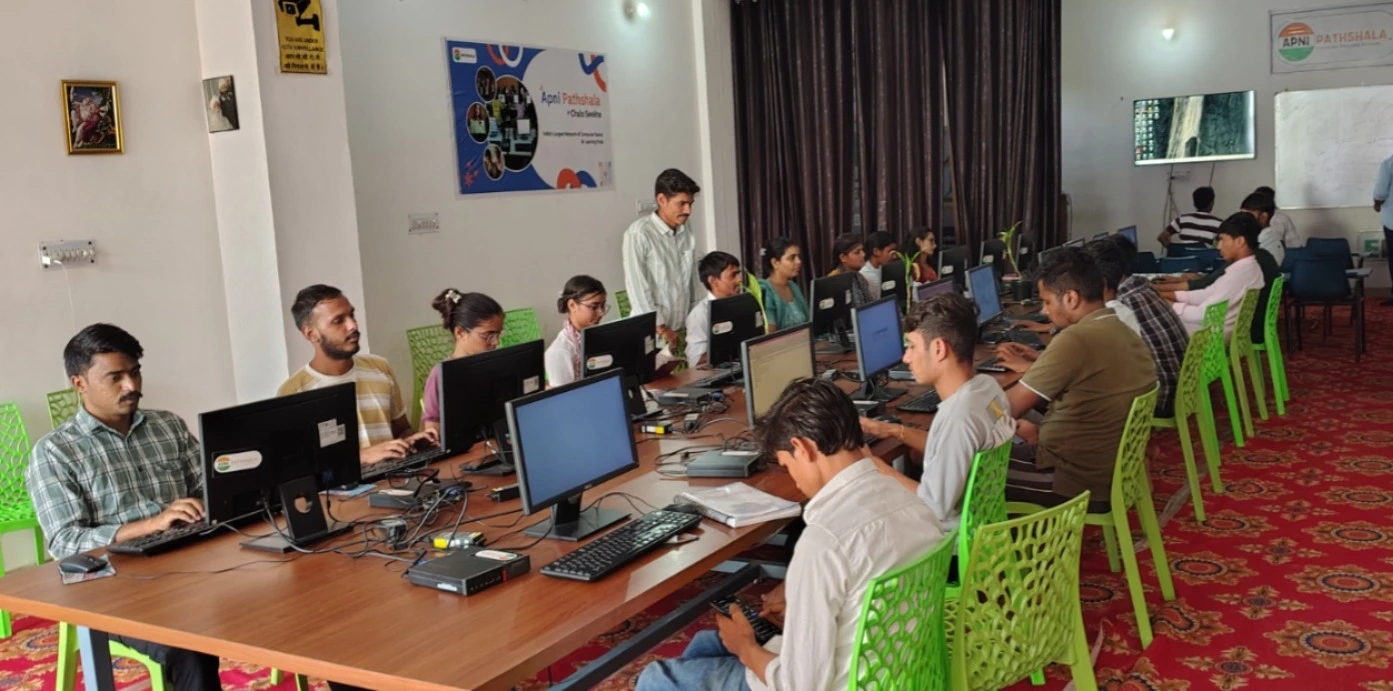
You don’t need to do anything special. Just let your child explore the Apna PC freely. Create opportunities for them to share what they’ve learned. Invite their friends over for study sessions. Ask them to teach you something they’ve learned on the computer.
When your child teaches you how to use LibreOffice or shows you a Scratch project they’ve created, you’re validating their learning. You’re showing them that what they know matters. This encourages them to keep learning and keep teaching.
Set up study groups where your child and their friends work on projects together using the Apna PC. One child might know how to code better; another might be great with presentations. They’ll naturally teach each other. This peer learning environment costs nothing but creates real value.
Recognise when your child is teaching. Praise them for explaining things clearly. Ask them questions that make them think deeper about what they’re teaching. This reinforces their learning and makes them better teachers.
The Investment That Keeps Giving
An Apna PC costs Rs.30,000, but think about what you’re actually buying. You’re buying a tool that helps your child learn independently. You’re enabling them to teach others and deepen their own understanding. You’re investing in skills that’ll matter for their entire life.
When Priya bought the Apna PC for Arjun, she was investing in his future. She didn’t expect him to become a teacher to his sister within weeks. But that’s exactly what happened. The computer became a bridge between learning and teaching, between individual growth and community learning.
Your child’s peers will benefit from what your child learns and teaches. Your child will benefit from what others teach them. This cycle of peer teaching creates a learning community right in your neighbourhood, right in your school, right at home.
Peer teaching isn’t a fancy educational theory. It happens naturally when students have access to good tools and supportive environments. Apna PC provides both. Your investment goes beyond one child’s learning. It ripples out through peer teaching, affecting entire friend groups and study circles.
Your child can be both a brilliant learner and a natural teacher. An educational computer gives them the platform to be both. Visit apnapc.com to learn more.