


Ravi sat at his kitchen table in Indore, staring at a blank sheet of paper. His son Arjun, a class 9 student, had just come home excited about a school project on water conservation. “Papa, I want to make something that shows how much water we waste,” Arjun said, his eyes bright with possibility. But without the right tools, that student project idea would stay just an idea. This is where a PC changes everything for students like Arjun who want to turn their creativity into real, working projects.
When you give your child access to the right technology, you’re not just buying a computer. You’re opening a door to hands-on learning where student project ideas become tangible creations. A PC lets your child move beyond textbooks and worksheets into digital projects and hands-on learning. Whether it’s coding, design, animation, or data visualisation, your child can now build things that matter to them.
Why Student Project Ideas Need More Than Just Notebooks
Traditional learning has its place, but it doesn’t always capture how young minds work today. Students learn best when they can see, touch, and interact with what they’re learning. Writing about water conservation is one thing. Building a digital tracker that shows daily water usage in your home is completely different.
Your child’s brain engages differently when they’re creating something real. They ask better questions. They solve problems they actually care about. They remember what they learned because they built it themselves. This is practical learning at its finest, and it requires tools that most households in tier 2 and 3 cities don’t have easy access to.
The Ministry of Education has emphasised the need for digital literacy and hands-on project work in schools. Your child shouldn’t be left behind just because they can’t access expensive technology. That’s why Apna PC exists.
What Makes a PC Perfect for Student Creativity
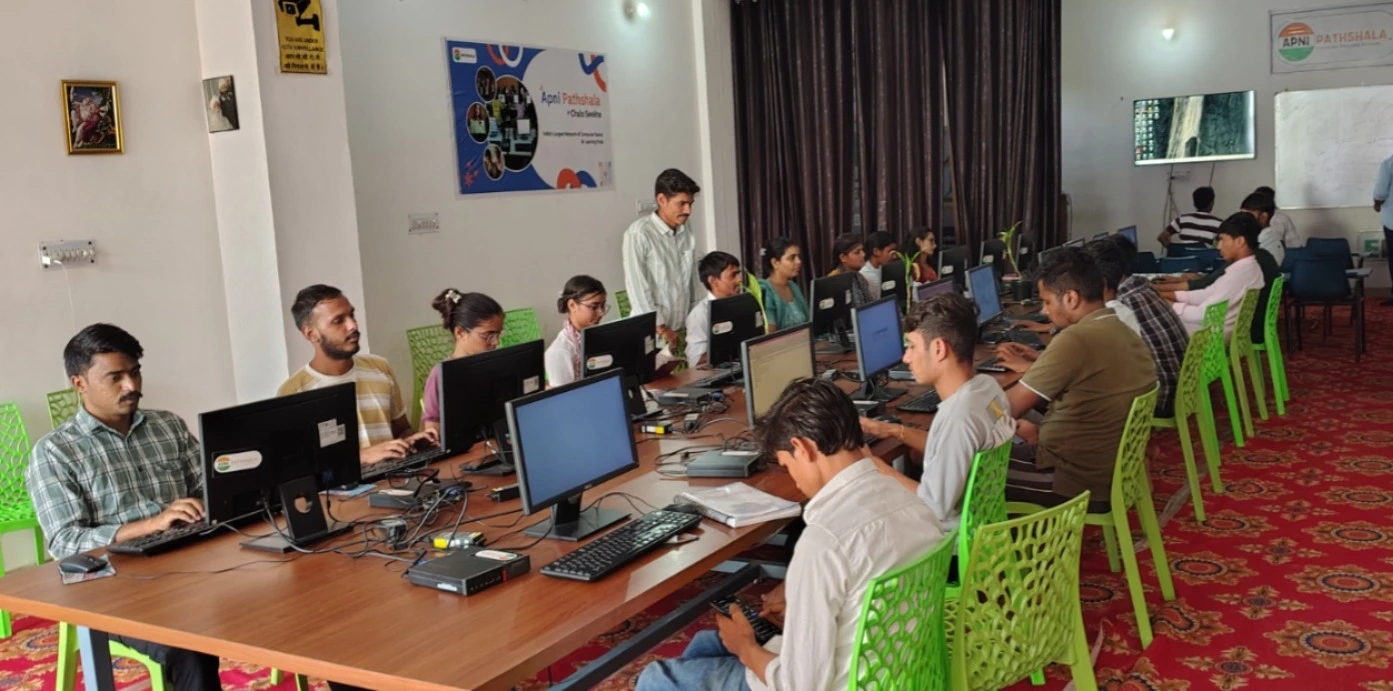
Not every computer works well for student projects. You need something that’s fast enough to handle creative software, reliable enough to last through years of school, and affordable enough that parents don’t feel like they’re making a huge financial sacrifice.
Apna PC is built specifically for this. With 8GB RAM and 128GB SSD, your child can run design software, coding programs, and multimedia tools without lag or frustration. The machine comes pre-loaded with Scratch for coding, LibreOffice for documents and presentations, and Zorin OS, which is simple, secure, and free from the bloatware that slows down other computers.
- Scratch helps your child learn coding through visual programming. They can create games, animations, and interactive stories.
- LibreOffice lets them write, design, and create professional-looking presentations.
- Zorin OS is fast, secure, and won’t distract your child with unnecessary notifications or ads.
- Apni Prerna helps you track your child’s learning progress without being invasive or controlling.
At Rs.30,000 (shipping and GST excluded), Apna PC costs less than many tablets or entry-level laptops. But it gives your child infinitely more capability for real, hands-on learning.
Real Examples of Student Project Ideas That Come to Life
Let’s go back to Arjun and his water conservation project. With a PC, he could create a simple Scratch program that calculates water waste. He could design infographics showing statistics. He could even build a presentation with videos and interactive elements that makes his classmates actually care about the problem.
Or imagine your daughter is interested in environmental science. She could create a digital journal documenting local air quality. She could build a database of plants in your neighbourhood. She could make a video documentary about pollution in your city. These aren’t fantasy scenarios. These are student computer projects throughout the year that happen when students have the right tools.
The Digital India initiative has expanded access to technology in schools and homes. Your child deserves to be part of this digital future, not left watching from the sidelines.
How Digital Projects Build Skills Your Child Actually Needs
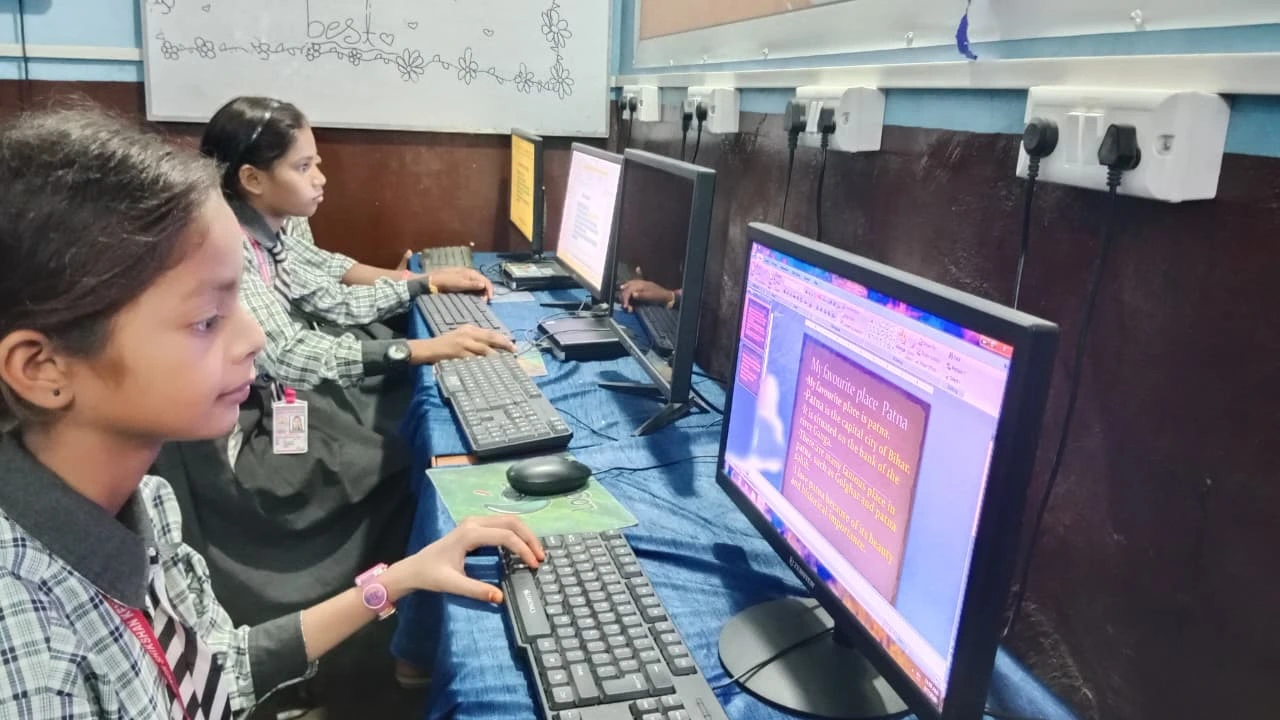
When your child works on digital projects, they’re building skills that go far beyond the immediate assignment. They’re learning problem-solving, creativity, persistence, and technical literacy. These are the skills that employers actually want.
Coding teaches logical thinking. Design teaches visual communication. Video editing teaches storytelling. These aren’t optional skills anymore. They’re foundational to success in almost every field, from engineering to medicine to business.
Your child doesn’t need to become a programmer or designer. But they do need to understand how technology works and how to use it creatively. A PC gives them that foundation early, when they’re still in school and still discovering what they’re passionate about.
Making the Investment in Your Child’s Future
You might be thinking about the cost. Rs.30,000 is real money, especially in smaller cities. But think about what you’re actually getting. You’re getting a tool that will last your child through multiple years of schooling. You’re getting access to software that would cost thousands more if you bought it separately. You’re getting support from Apni Pathshala, which understands Indian education.
Most importantly, you’re giving your child permission to dream bigger. You’re saying, “Your ideas matter. Your creativity matters. And here’s the tool to turn those ideas into something real.”
Your child’s potential shouldn’t be limited by geography or budget. Apna PC brings digital creation tools within reach for families in tier 2 and 3 cities across India. Your child has ideas. Now they can build them. Visit apnapc.com to learn more.