


Why a Research Project for Students Matters
Ravi sat at his small desk in Indore, staring at a blank notebook. His Class 9 science teacher had assigned a research project on water quality in local wells, and he had no idea where to start. His parents worried a research project for students from a government school would be too difficult without expensive coaching classes. But Ravi had something they didn’t expect: determination and a plan. Three weeks later, he presented findings that surprised even his teacher. Real student research like this needs simple tools and smart thinking, not expensive tuition.
A student research project isn’t just homework. It’s your chance to become a detective, asking questions about things you actually care about. Whether you’re in a tier 2 city or a small town, you can plan and complete meaningful work right from your home. You don’t need fancy labs or expensive equipment. What you need is curiosity, a notebook, and the right resources.
Start With a Question That Excites You
The best research projects begin with your own questions. What do you wonder about? How do plants grow faster in different soils? Why do some students focus better than others? How does social media affect your friends’ sleep? Write down three questions that genuinely interest you.
Now pick one. Your research question should be specific, not too broad. Instead of “How do plants grow?”, ask “Do plants grow faster in clay soil or sandy soil?” This focused approach makes your project manageable and your findings clear.
Check what others have already discovered about your topic on research databases and educational websites. Your school library may offer free resources. The Indian Ministry of Education also provides online learning materials.
Plan Your Steps Using the Scientific Method
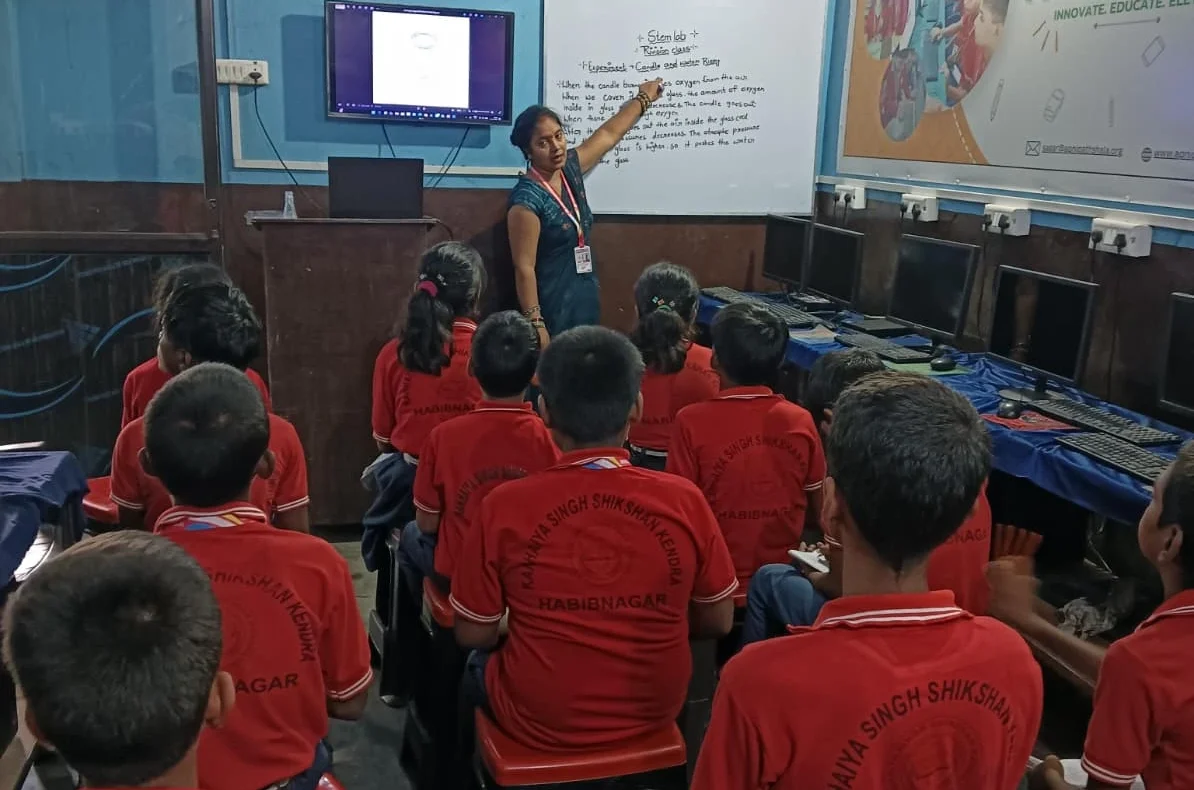
Follow the scientific method to structure your work. This proven approach keeps your project organised and your results trustworthy. The steps are simple: ask a question, research background information, form a hypothesis (your prediction), test it, record results, and draw conclusions.
Create a timeline. Give yourself two weeks for research and planning. Spend one week collecting data. Use another week to analyse what you’ve found. Finally, spend a few days preparing your presentation. This pacing prevents last-minute stress and produces better quality work. Steady project learning like this beats cramming everything into one night.
Write everything down. Keep a project notebook where you record your question, hypothesis, methods, observations, and findings. This notebook becomes your evidence that you’ve done real work, not just copied from the internet.
How a Research Project for Students Uses Free Online Resources
You need a computer to organise your research, create presentations, and document your findings. If your family is considering investing in a reliable device for student learning, the Apna PC offers excellent value. Built by Apni Pathshala, this educational computer comes pre-loaded with LibreOffice for writing reports, Scratch for creative projects, and Zorin OS for smooth performance. At just Rs.30,000 (shipping and GST excluded), it’s designed specifically for students in Indian homes.
Beyond a computer, use free online resources. Google Scholar lets you search academic papers. YouTube has educational channels on almost every topic. Your local library might offer free internet access if you don’t have it at home. Many educational websites offer free tutorials and data.
For presenting your findings, create digital posters instead of only writing reports. Visual presentations help your teachers and classmates understand your work better.
Collect Real Data From Your Surroundings
The best part of any student research project is gathering real data yourself. Don’t rely only on what others have written. If your question is about water quality, test water samples from different sources. If you’re studying study habits, survey your classmates. If you’re researching plant growth, actually grow plants and measure them weekly.
Keep measurements accurate. Use consistent methods every time. Record dates and times. Take photos if possible. This real-world data makes your project genuine and impressive.
Be safe while collecting data. If your project involves anything potentially risky, ask your parents or teacher for permission and guidance first. Safety always comes before curiosity.
Organise Your Findings Into a Clear Story
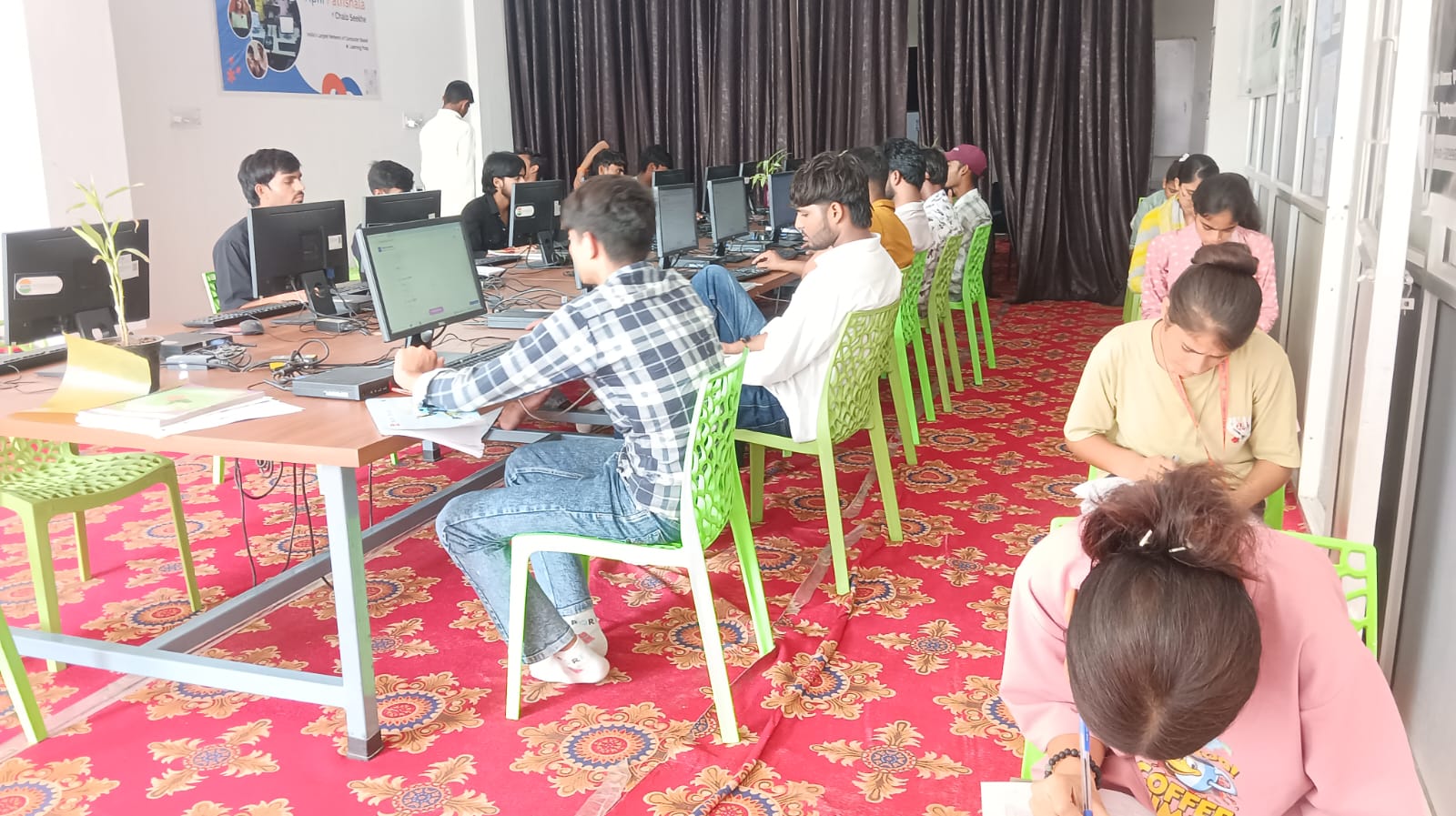
Once you’ve collected data, organise it into a narrative. What did you expect to happen? What actually happened? Why do you think the results came out this way? Your analysis is where real learning happens.
Create charts or graphs to show your data visually. Use LibreOffice or free tools like Google Sheets. Visual representations help others grasp your findings quickly.
Write a simple report. Your introduction explains your question and why it matters. Your methods section describes exactly what you did. Your results section presents your findings. Your conclusion explains what you learned and what questions remain unanswered.
Present Your Work With Confidence
Whether your teacher asks for a written report, a presentation, or a display board, present your work clearly. Practice explaining your project in your own words. Speak slowly and make eye contact. Don’t just read from notes.
Be honest about limitations. Did you run out of time? Did something not work as planned? Teachers respect students who acknowledge challenges and explain what they’d do differently next time.
Remember that completing a research project for students builds skills you’ll use forever. You’re learning to ask questions, find answers, think critically, and communicate ideas. These abilities matter far more than a single grade.
Start your research project this week and see where your curiosity takes you. Visit apnapc.com to learn more.