


Ravi’s mother sat in their small living room in Indore, scrolling through his report card on her phone. Her son had scored 92% in mathematics, yet when she asked him to help calculate the monthly grocery budget, he froze. He could solve complex equations but couldn’t apply them to real life. This gap between homework completion and real skill-building is something millions of Indian parents face today. Your child might excel at exams while struggling with practical problem-solving, digital literacy, and the confidence to create something meaningful. This is where the shift from passive learning to active skill building becomes crucial for your child’s future.
Why Homework Completion Is Not Enough for Your Child’s Growth
Completing homework is like following a recipe without understanding how to cook. Your child finishes assignments, gets good marks, but doesn’t develop the ability to think independently or solve real problems. In today’s competitive world, employers don’t just want certificate holders; they want people who can create, innovate, and adapt. Student development goes far beyond memorising facts and reproducing answers on exam papers. When your child focuses only on completing homework, they miss out on building critical thinking, creativity, and hands-on technical skills that’ll shape their career.
The problem intensifies in Tier 2 and Tier 3 cities where access to quality digital learning resources remains limited. Many schools still rely on traditional teaching methods that don’t encourage experimentation or creativity. Your child learns what to think, not how to think. This creates a generation that’s excellent at following instructions but struggles when facing unfamiliar challenges. Skill building requires a completely different approach.
Understanding Real Skill Building vs. Homework Completion
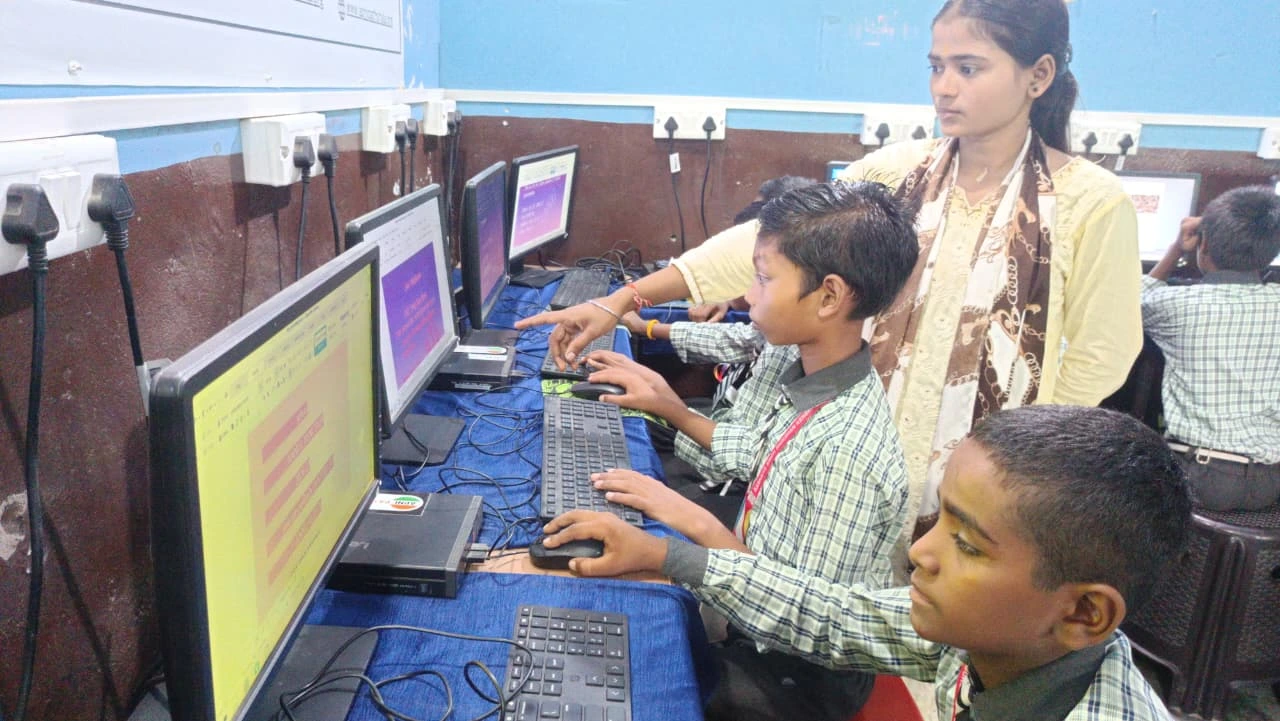
Skill building is about learning by doing. Instead of memorising that Python is a programming language, your child writes their first program and sees it work. Instead of reading about spreadsheets, they create a family budget tracker. This hands-on approach builds confidence, persistence, and problem-solving abilities that homework completion simply can’t offer. Real skill building connects learning to purpose.
When your child engages in skill-building activities, their brain forms stronger neural connections. They remember concepts longer because they’ve experienced them firsthand. They develop resilience because they encounter problems, fail, learn, and try again. This cycle of experimentation is exactly what schools don’t provide when they focus only on homework completion. Your child needs an environment where mistakes are stepping stones, not failures.
How Digital Learning Transforms Your Child’s Development
Digital learning opens doors that traditional classrooms keep locked. Your child can learn coding, graphic design, video editing, and countless other skills without waiting for their school to introduce these subjects. The Digital India initiative recognises this potential and is pushing technology into every corner of education. But having access to technology isn’t enough; your child needs the right tools and guidance to transform that access into meaningful skill-building.
A learning-focused personal computer becomes your child’s personal classroom. Unlike smartphones that encourage passive consumption, a proper learning computer encourages creation and exploration. Your child can build projects, write code, create presentations, and develop digital literacy skills that’ll serve them for life. This is where skill building truly takes off.
Practical Skill Building Through Project-Based Learning
Projects make learning real. When your child works on real-life skills through projects, they’re not just completing assignments; they’re building portfolios. They might create a video documentary about their community, design a website for a local business, or build an app that solves a problem they’ve noticed. Each project teaches multiple skills while keeping motivation high.
Project-based learning also develops soft skills that homework never touches. Your child learns time management, collaboration, presentation skills, and how to handle feedback. They learn to break large problems into smaller, manageable tasks. These aren’t skills that appear on report cards, but they’re exactly what employers look for. When your child engages in project-based learning at home, they’re preparing for real-world success.
The Role of the Right Technology in Skill Building
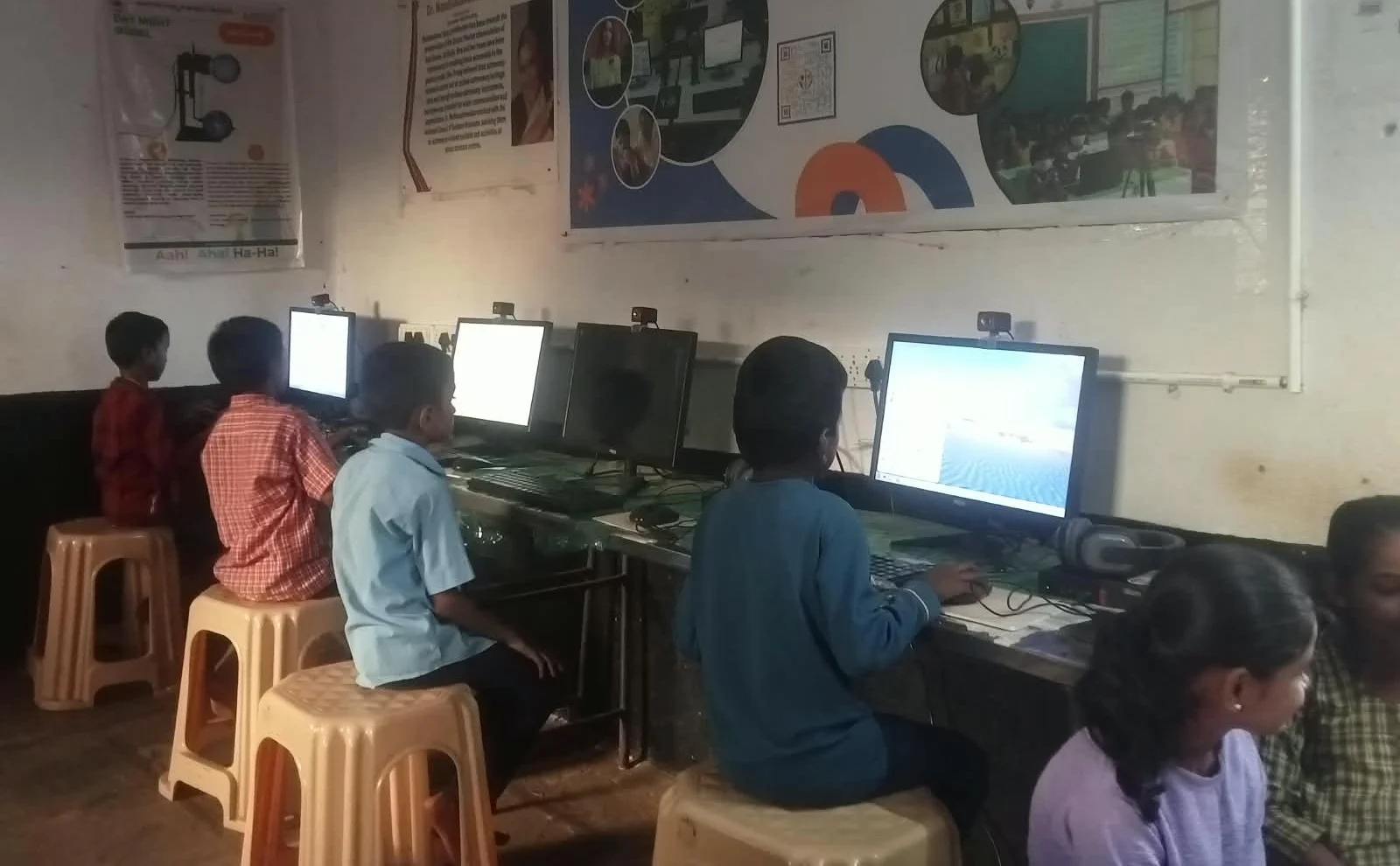
Not every computer supports skill building equally. Your child needs a device that’s reliable, fast enough for creative work, and comes pre-loaded with tools that encourage learning rather than distraction. Apna PC is specifically designed for this purpose. With 8GB RAM and 128GB SSD, it handles coding projects, multimedia creation, and digital design smoothly. The pre-loaded software includes Scratch for visual programming, LibreOffice for productivity, and Zorin OS for a distraction-free learning environment.
Apna PC costs just Rs.30,000 (shipping and GST excluded), making quality digital learning accessible to families in Tier 2 and Tier 3 cities. The Apni Prerna student monitoring system lets you track your child’s progress without invading their privacy. Your child gets a dedicated learning machine that supports skill building from day one.
Starting Your Child’s Skill Building Journey Today
Begin by identifying what interests your child. Do they love stories? They could learn video editing or creative writing. Do they enjoy solving puzzles? Programming might be perfect. Do they care about their community? They could learn web design to create awareness projects. Skill building works best when it aligns with genuine interests.
Set realistic expectations. Skill building takes time and patience. Your child won’t become a programmer in two weeks, but they’ll develop confidence, curiosity, and the ability to learn independently. That’s the real value. Encourage experimentation and celebrate failures as learning opportunities. Create a home environment where trying new things is valued more than getting perfect scores.
Provide the right tools and support. A quality computer designed for learning removes technical barriers. Your child can focus on creating and learning instead of fighting with slow devices or inappropriate software. You can support their journey by showing genuine interest in their projects, asking questions, and helping them reflect on what they’ve learned.
Your child’s future depends less on homework completion and more on the skills they develop today. When you invest in their skill-building journey, you’re investing in their confidence, creativity, and career readiness. Visit apnapc.com to learn more.