


Rajesh’s Breakthrough: When Computer Practice Changed Everything
Rajesh sat in his small bedroom in Indore, staring at his math textbook. The problems looked the same every day: numbers on a page, formulas he memorised but didn’t understand. His school taught him to memorise, not to think. Then his parents bought him a computer, and everything shifted. Within weeks, he wasn’t just solving math problems anymore. He built small programs in Scratch, visualised how numbers actually worked, and asked questions his textbook never answered. This is what happens when students go beyond textbooks and embrace hands-on computer learning.
Your child’s education doesn’t have to stop at what’s written in books. Computer practice opens doors to computing skills that textbooks simply can’t provide. When you give your son or daughter access to real digital tools, they don’t just learn concepts; they live them, test them, and truly understand them.
Why Textbooks Alone Aren’t Enough Anymore
Textbooks teach you facts. They tell you what happened, what the formula is, and what the answer should be. But they don’t teach you how to think like a problem-solver. Your child reads that photosynthesis converts sunlight into energy, but they don’t see it happening or experiment with it.
In Tier 2 and Tier 3 cities across India, students face an even bigger challenge. Schools often have limited lab facilities, outdated equipment, or teachers who themselves haven’t had proper digital training. The Digital India initiative has pushed connectivity, but access to quality computers for learning remains a barrier for many families.
This gap is where practical learning beyond textbooks becomes critical. When your child sits in front of a computer and actually builds something, they’re not just consuming information. They’re creating, experimenting, and most importantly, thinking independently.
How Computer Practice Builds Real Thinking Skills
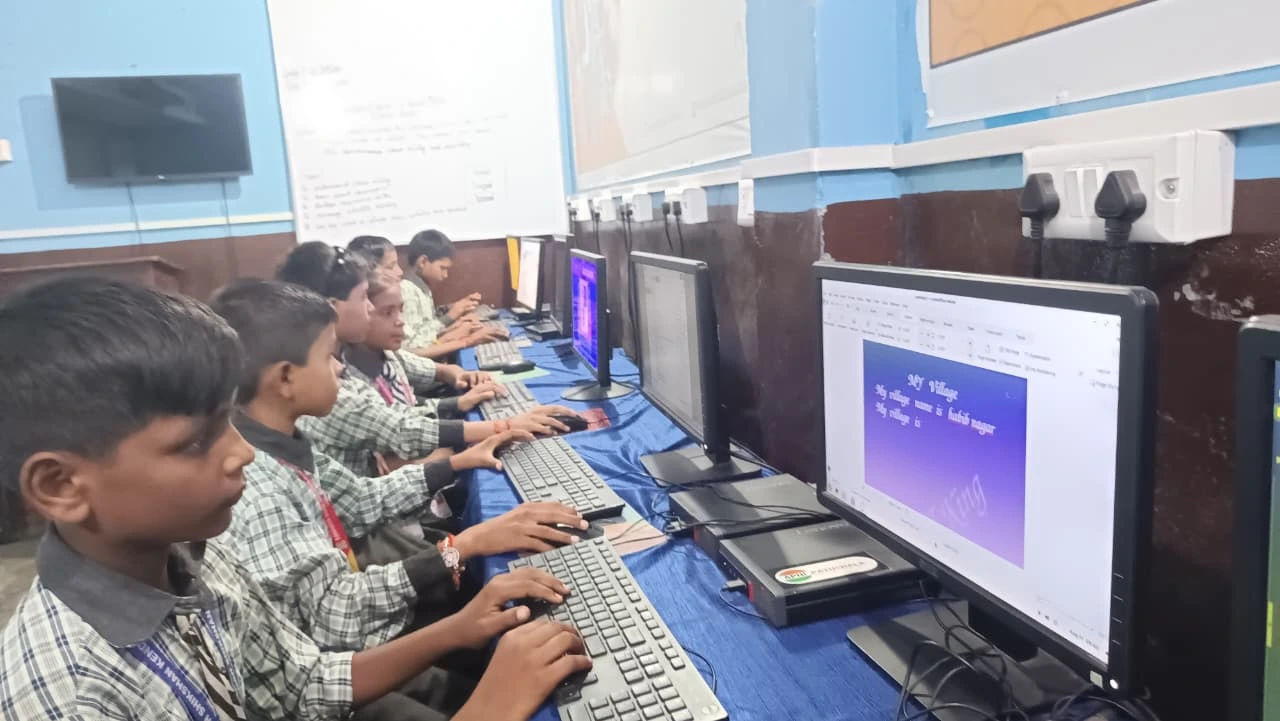
Let’s be honest: your child’s brain works differently with a computer than with a textbook. When they use programs like Scratch to build a game, they’re not just following instructions. They break down a complex idea into smaller steps, test each step, find errors, and fix them. That’s computational thinking, and it applies to every subject and career.
Consider what happens when your student uses LibreOffice to create a history presentation. They’re not just copying text from their history book. They’re researching, organising information, deciding what matters, and presenting it visually. That’s critical thinking in action.
- Problem-solving: Your child learns to break big problems into smaller, solvable pieces
- Creativity: They experiment with ideas without fear of “wrong answers”
- Persistence: When code doesn’t work, they debug and try again instead of giving up
- Independence: They learn to find answers through exploration, not just memorisation
These skills don’t come from reading a textbook. They come from doing, from failing, and from trying again. The DIKSHA digital learning platform shows that students who combine textbook learning with hands-on digital practice perform significantly better in competitive exams and real-world situations.
The Apna PC Difference for Your Family
You don’t need an expensive laptop or complicated setup for your child to experience this transformation. Apna PC is designed specifically for students in India who want to learn beyond textbooks. At Rs.30,000 (shipping and GST excluded), it’s an investment in your child’s thinking skills, not just a device.
This computer comes pre-loaded with everything your child needs. Zorin OS is intuitive and free from unnecessary complexity. LibreOffice lets them create documents, spreadsheets, and presentations like professionals. Scratch makes programming visual and fun, not intimidating. And Apni Prerna helps you monitor your child’s learning progress, so you know exactly what they’re working on.
The 8GB RAM and 128GB SSD let your child run multiple programs smoothly, without lag or frustration. They can build projects, save their work, and actually focus on learning instead of waiting for the computer to catch up.
Check out Apni Pathshala learning resources to see how other students are using these tools to grow beyond what their textbooks offer.
Real Skills That Colleges and Employers Actually Want
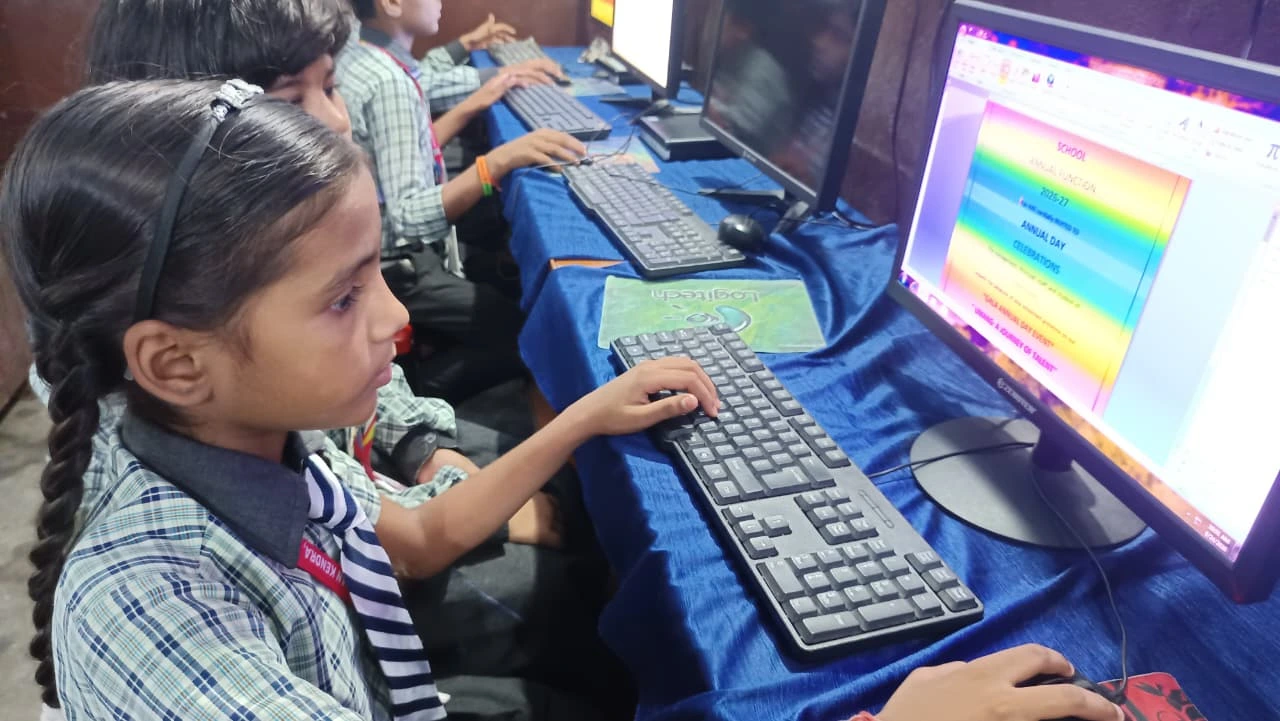
Here’s something your child’s school might not tell you: colleges and employers aren’t impressed by perfect marks on textbook exams. They want to see what your child can do beyond textbooks. Can they solve problems without a single “right answer”? Can they learn new tools quickly? Can they think independently?
These are exactly the skills that computer practice builds. When your child spends time coding, creating digital content, and experimenting with real software, they build a portfolio of real work. Not just grades on paper.
Your child isn’t just preparing for the next test. They’re preparing for their actual future, thinking beyond textbooks and building skills that last a lifetime.
Making This Real for Your Child Right Now
You might be thinking: “This sounds great, but my child is already busy with school.” That’s exactly the point. Your child is busy with textbooks, but are they busy with thinking? There’s a difference. Computer practice doesn’t have to take away from school. It enhances it. Your child studies history in school, then creates a digital timeline at home. They learn math formulas in class, then use them to build a calculator program on their computer.
The barrier for most families in Tier 2 and Tier 3 cities isn’t interest or intelligence. It’s access. You can’t ask your child to learn computing skills without a computer. You can’t expect digital education to happen on a phone alone. That’s why Apna PC exists at an affordable price point, with everything your child needs already installed and ready to go.
A personal computer has been a learning tool for decades, but it’s never been more important than it is now. Your child’s peers in metros might have had access to computers their whole lives. Your child deserves that same opportunity, regardless of where you live.
Start Your Child’s Journey Beyond Textbooks Today
Rajesh’s story isn’t unique. Thousands of students across India are discovering that real learning happens when they move beyond textbooks and start thinking like creators, problem-solvers, and innovators. Your child can be one of them. The question isn’t whether your child needs computer practice. The question is: how much longer can you wait to give them this opportunity?
Your child’s thinking skills, creativity, and confidence are waiting to grow. Visit apnapc.com to learn more.