


Rajesh’s Daughter Can’t Attend Online Classes Without Her Father’s Phone
Rajesh works as a mechanic in a small town near Indore. His daughter Priya is in Class 8, and she’s bright. Her teachers say she could score 90% with proper study materials. But there’s one problem: they don’t have a computer at home. When online classes happen, Priya shares her father’s old Android phone with her two younger brothers. By the time it’s her turn, the class is half over. She copies notes on paper, but she can’t access interactive learning apps, coding platforms, or digital textbooks. Last month, her teacher asked the class to submit a project using a spreadsheet. Priya submitted a handwritten version instead. She got marked down, not because her work was poor, but because she didn’t have access to the right tools.
Priya’s story isn’t unique. Millions of students across India face the same silent disadvantage of not having a computer at home. This digital divide isn’t just about missing out on online classes. It’s about falling behind in skills that will define their future.
Why No Computer at Home Means a Real Learning Gap
A smartphone isn’t a substitute for a real computer. We know this, but many families don’t realise how much this gap costs their child’s education. Without a computer at home, you’re not just missing screen time. You’re missing hands-on practice with tools that schools and colleges expect you to know.
Think about what your child needs to learn today:
- Coding and programming: Platforms like Scratch, Python IDE, and coding websites need a proper keyboard and mouse. Typing code on a phone screen is nearly impossible.
- Office skills: Creating presentations, spreadsheets, and documents. These are tested in exams and needed for jobs. A phone can’t teach these properly.
- Research and project work: Managing files, organising folders, downloading resources. Phones make this clumsy and frustrating.
- Speed and focus: Working on a phone means constant distractions. A dedicated computer means your child can focus on learning without notification pop-ups.
Students with no computer at home miss out on critical practice time that their peers get daily. Read our article on how mobile learning causes students to fall behind to understand the real cost of relying only on phones for education.
The Digital Divide Is Real in Tier 2 and Tier 3 Cities
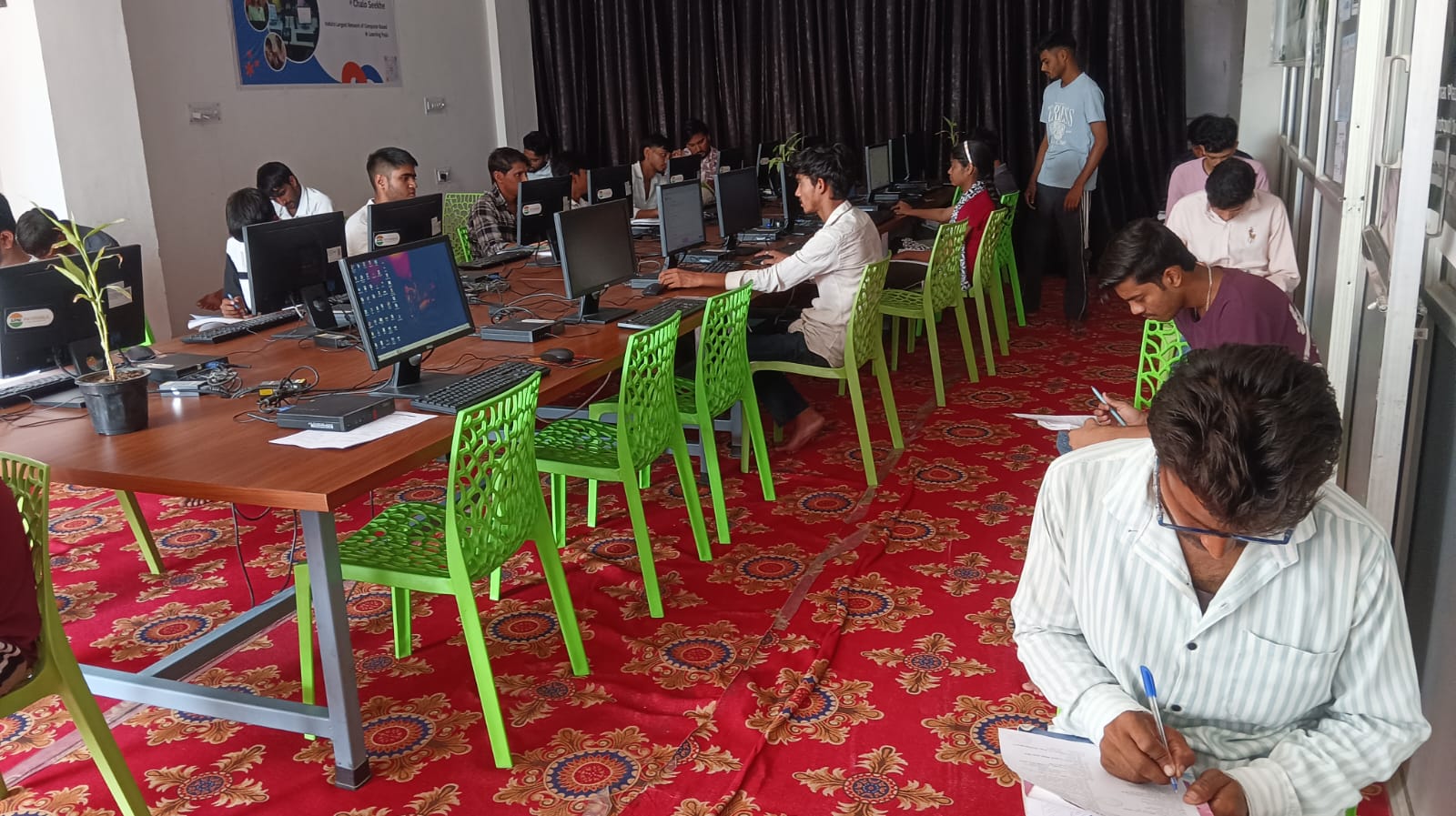
In metros, most families have a computer or laptop. But in smaller cities and towns, the situation is different. Many families can’t afford a computer because they cost Rs. 50,000 to Rs. 1,00,000. For a family earning Rs.20,000 to Rs.30,000 per month, this is simply not possible. So students use phones, tablets, or nothing at all. The gap grows year after year.
The government’s Digital India initiative aims to bridge this gap, but it hasn’t reached every student yet. Schools in many areas still don’t have enough computer labs. Even when they do, students get only 1-2 hours per week. That’s not enough to build real skills.
Your child spends 6-7 hours at school but only 1-2 hours on computers there. What happens in the other 5-6 hours? If there’s no computer at home, they’re not practising. They’re falling behind peers who have access.
How a Computer Changes Everything
When a student has a computer at home, everything shifts. They can practice coding after school. They can finish projects without rushing. They can learn at their own pace. They can explore interests beyond the textbook. Most importantly, they build confidence with technology that will help them in college and career.
A proper personal computer doesn’t need to be expensive or fancy. It needs to be reliable, easy to use, and preloaded with the right student software. It should have enough power to run educational apps, coding platforms, and office software without lag.
Compare this to a phone. A phone has a small screen, no keyboard, limited storage, and poor software. Read our detailed comparison on why a real computer beats a phone for studying. You’ll see why serious learning needs a real computer.
Apna PC: Built for Students Who Need a Computer at Home
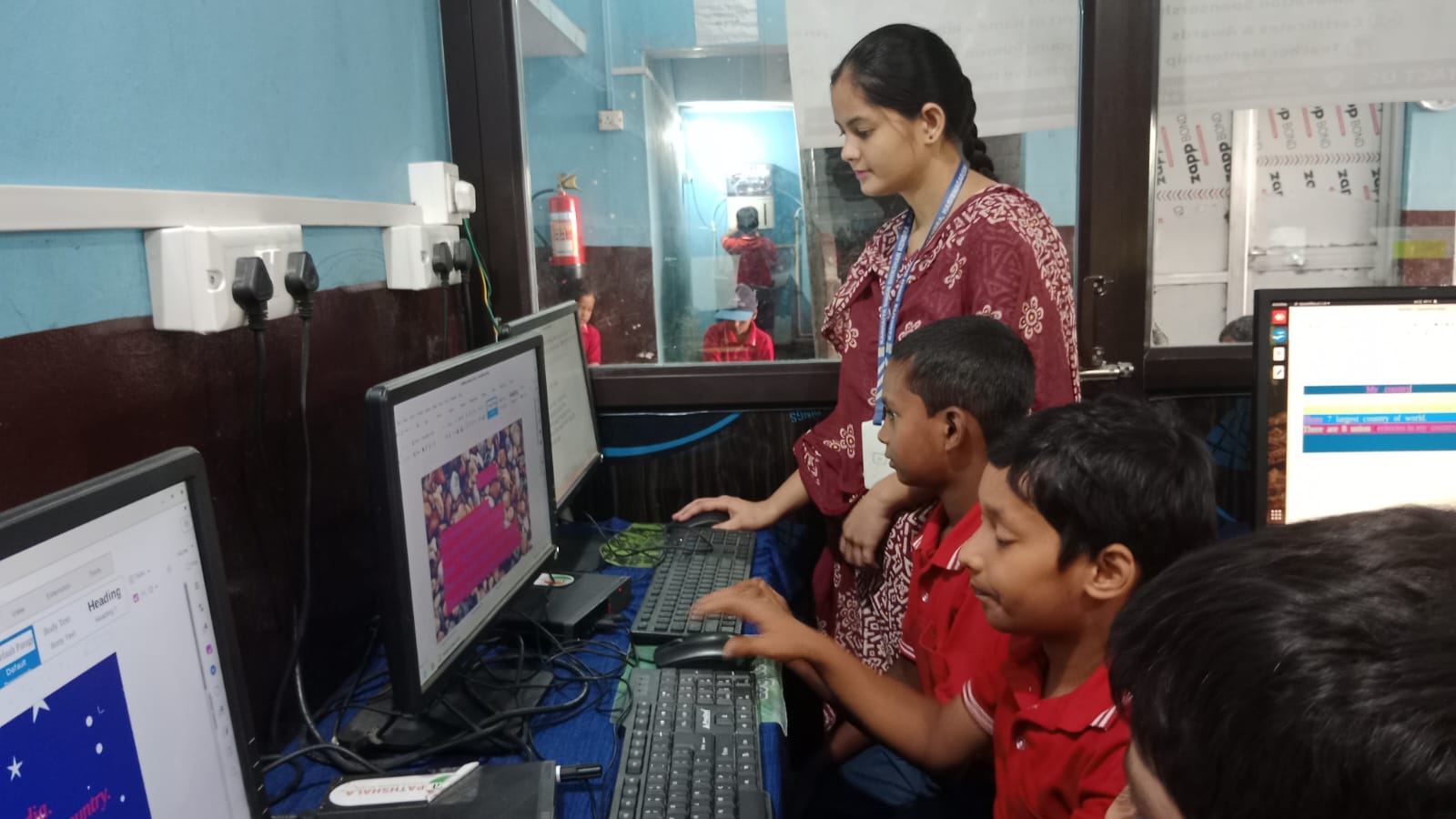
Apna PC is built for families like Rajesh’s. It costs Rs.30,000 (before shipping and GST), which is 3 times cheaper than regular computers. But it doesn’t compromise on quality. It comes with 8GB RAM and 128GB SSD, which is enough for all student work. It runs Zorin OS, a fast and secure operating system. It comes preloaded with LibreOffice for office work, Scratch for coding, and Apni Prerna for student monitoring.
Your child gets everything they need to succeed in school and beyond. No need to buy expensive software. No need to worry about viruses. No need to spend money on upgrades. Just plug it in and start learning.
Priya could have submitted her spreadsheet project properly. She could have learned coding. She could have accessed online resources without waiting for her father’s phone. With Apna PC, students like her don’t have to choose between education and affordability.
The Cost of Waiting Is Higher Than You Think
Every year your child waits without a computer at home, they fall further behind. By Class 10, the gap is huge. By Class 12, it might be too late to catch up. Colleges expect students to know how to use computers. Jobs require it. But if you wait until college to learn, you’re already behind.
The cost of a computer today is far less than the cost of poor grades, failed exams, and missed opportunities tomorrow. When you invest in a computer for your child now, you’re investing in their future.
Your child deserves the same tools as students in big cities. They deserve to learn coding, create presentations, and build skills that matter. They deserve a fair chance. Don’t let the lack of a computer at home hold them back. Apna PC makes this possible at a price that works for your family. Visit apnapc.com to learn more.