


Priya’s alarm went off at 5:30 AM. She had her online mathematics class at 6 AM, but her older brother, Arjun, was already at the family laptop, submitting his office work before his 9 AM meeting. Their mother stood in the kitchen, tea growing cold, knowing that Priya would miss another class. This scene repeats three times a week in their Lucknow home. The family laptop for study has become the family’s biggest source of stress, not a solution.
Many Indian families in tier 2 and tier 3 cities face this exact dilemma. A single family laptop for study becomes the battleground between siblings, work-from-home parents, and online classes. What seems like a cost-saving choice actually costs much more than parents realise.
The Hidden Price of Sharing
When you buy one laptop for Rs.40,000 to Rs.50,000 and expect it to serve everyone, you’re not just sharing hardware. You’re sacrificing the quality of your child’s education. The real cost of a shared laptop goes far beyond its price tag.
Priya misses 40-50% of her online classes because the laptop isn’t available. Her school counsellor noticed her grades dropping from 92% to 78% in just four months. She stopped attempting online assignments because she couldn’t access them during her designated study hours. Her parents thought they were being practical. Instead, they were watching their investment in education crumble.
The psychological impact hits harder than parents expect. When a child knows they can’t access their study materials whenever they need them, motivation drops. They feel less important than their working parent or older sibling. Resentment builds between siblings. The laptop becomes a symbol of neglect, not opportunity.
The Time Cost Nobody Calculates
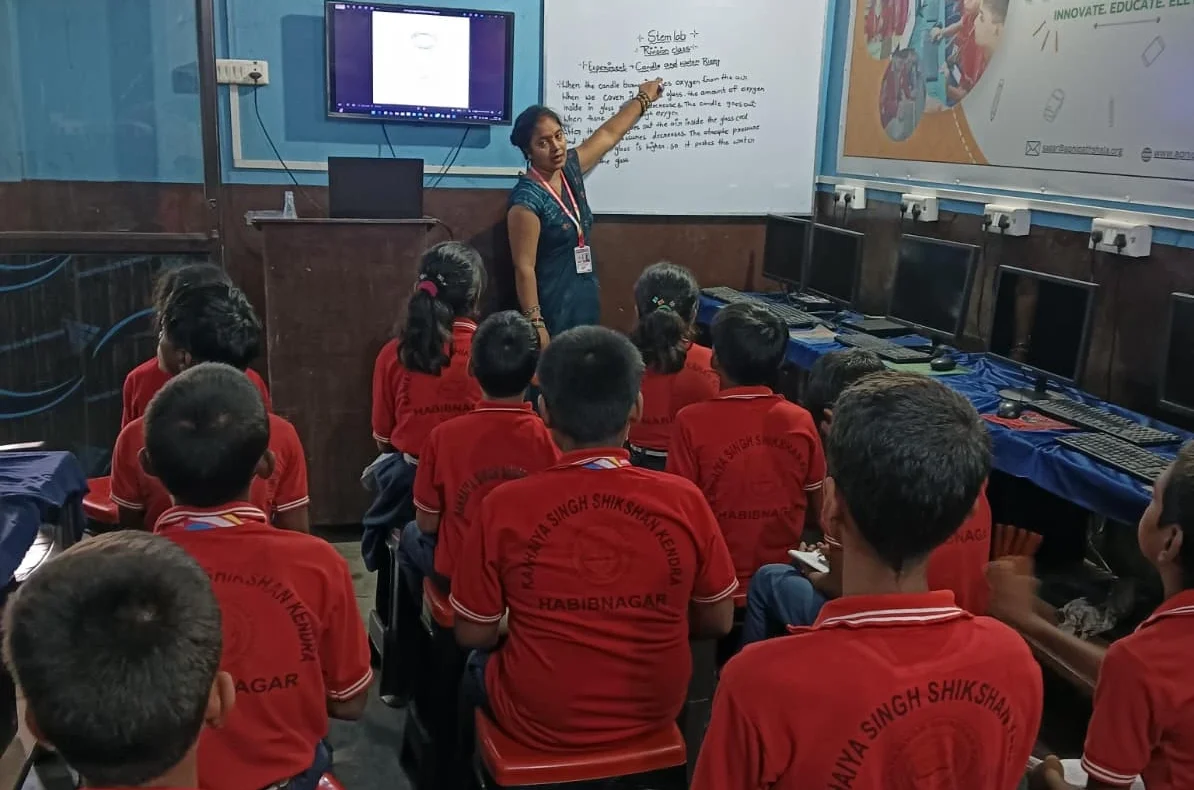
Let’s do the math that most families don’t. If your child misses just 30 minutes of online class three times weekly, that’s 1.5 hours lost per week. Over a school year (40 weeks), that’s 60 hours of education gone. At Rs.500 per hour of private tuition (the cost to recover that lost learning), you’re already at Rs.30,000 in hidden expenses.
Add the time spent waiting for the laptop. A child waiting 45 minutes for a parent to finish work loses focus. They can’t start their homework. They can’t complete their research project. When they finally get access, their mind has wandered. That 45-minute wait turns into a 90-minute study session that could have been 30 minutes of focused work.
Parents also lose time managing the laptop schedule. Who uses it when? Whose work is more important? These daily conflicts consume 30-45 minutes of family time. Multiply this across 300 days, and you’ve lost 150-225 hours of peaceful family life.
Performance Drops and Frustration
A shared family laptop runs slower than a dedicated laptop. Multiple user accounts, stored files, parental monitoring attempts, and work software all pile up. What takes 2 minutes on a fresh machine takes 8 minutes on a shared one. Your child gets frustrated. They give up on assignments. Teachers see incomplete work.
The laptop also carries viruses and malware from work downloads, casual browsing, and unprotected file transfers. One malware infection can lock the entire family out for days while it’s fixed. Your child’s project due tomorrow? Gone. Their online exam preparation? Interrupted. The cost of recovery isn’t just money. It’s stress, lost opportunities, and damaged academic performance.
The Learning Environment Problem
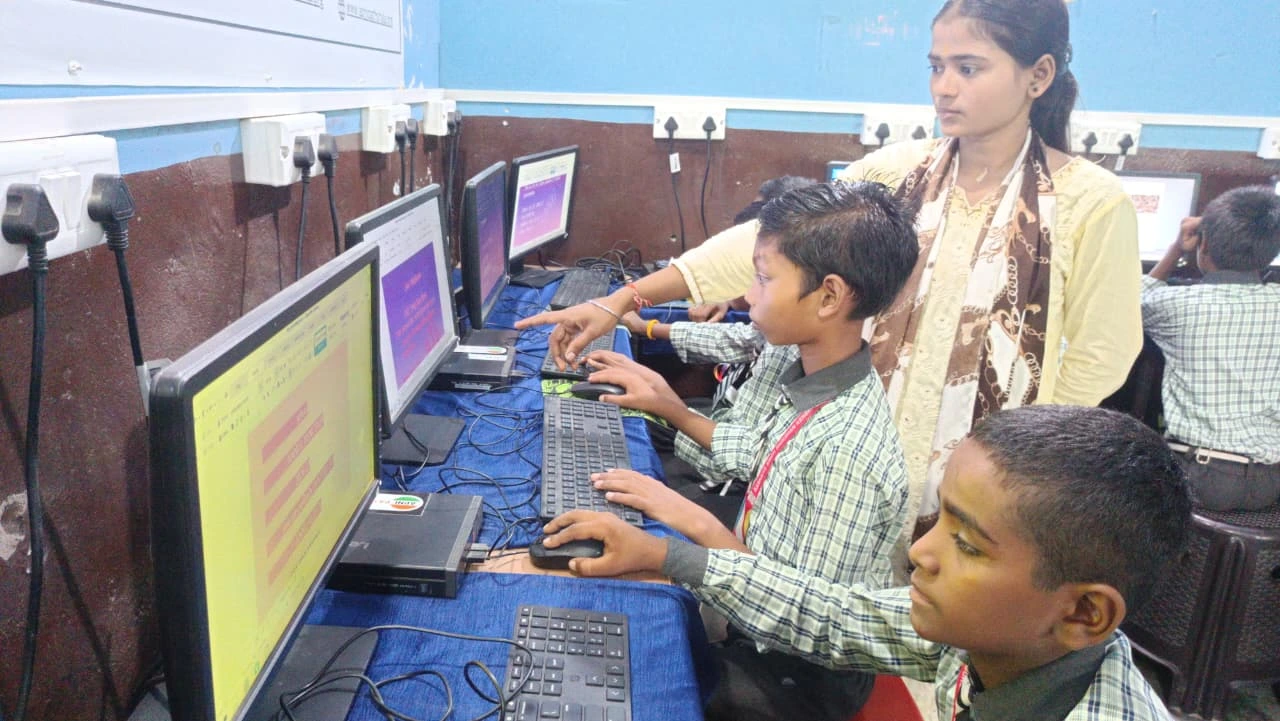
A family laptop means no dedicated learning space. Your child studies at the dining table while your spouse is on a video call in the next room. Background noise ruins concentration. They can’t leave their books and notes set up because the laptop needs to move around the house. Every study session feels temporary and rushed.
Dedicated student computers create a psychological shift. When a child sits at their own machine, they enter “study mode.” Their brain knows this space means learning. They focus better. They retain more. This environmental advantage alone improves academic performance by 15-25% according to educational research.
The Solution: Apna PC
This is exactly why Apna PC exists. At Rs.30,000 (before shipping and GST), it costs less than most family laptops. But it does something revolutionary: it solves the sharing problem by giving your child their own device.
Apna PC comes pre-loaded with everything your child needs. Zorin OS runs smoothly without slowdowns. Apni Prerna lets you monitor progress without invading privacy. LibreOffice handles all school assignments. Scratch teaches coding through fun projects. The 8GB RAM and 128GB SSD mean everything runs fast, even with multiple tasks running at once.
No more waiting for the laptop. No more missed classes. No more family conflicts over device time. Your child gets 24/7 access to their education.
What Parents Actually Save
When you buy Apna PC, you’re not spending Rs.30,000. You’re saving money. You avoid Rs.30,000 in lost tuition costs from missed classes. You skip the Rs.15,000 repair bill when a shared laptop crashes. You prevent the Rs.20,000 in extra tuition needed to recover from poor academic performance. You save the Rs.10,000 cost of buying a second laptop later because the first one became too slow.
More importantly, you save your child’s confidence. You save your family relationships. You save the hours of daily stress about who gets the laptop when.
Priya’s parents made the switch last month. She now attends every online class. Her grades jumped back to 91%. She starts her homework immediately after school instead of waiting. Her brother works without interruptions. Her mother sees peace return to the home.
The real cost of sharing one family laptop isn’t the price you pay upfront. It’s the price your child pays in lost education, lost opportunity, and lost confidence. Apna PC costs Rs.30,000. But it gives back something worth far more: your child’s future. India education portal and see the difference a dedicated device makes. Visit apnapc.com to learn more.