


When Asha’s Son Broke the Computer (And Learned Something Valuable)
Asha sat in her Indore living room, watching her 10-year-old son Rohan click frantically on the screen. He’d been trying to build a simple animation in Scratch for twenty minutes, and his project kept crashing. His face turned red. He wanted to give up. But instead of closing the laptop, Rohan took a breath and asked his mother, “Can I try a different way?” That moment changed how Asha understood learning from mistakes. She realised her son wasn’t failing; he was learning through trial and error, building problem-solving skills that no textbook could teach him.
Many parents in Tier 2 and Tier 3 cities worry that mistakes mean their child is falling behind. You might feel the same way. But what if mistakes were actually the fastest path to real learning? That’s exactly what happens when your child has the right tools and environment to explore, fail safely, and try again.
Why Learning From Mistakes Matters More Than You Think
Your child’s brain grows strongest when it encounters problems and works through them. Trial and error isn’t a waste of time; it’s how scientists, engineers, and programmers actually work in the real world.
When your child learns from mistakes, three powerful things happen:
- Critical thinking develops. Your child stops waiting for you to give answers and starts asking better questions.
- Confidence builds. Every small success after a failure feels like a real achievement.
- Problem-solving becomes natural. Your child learns to break big problems into smaller, solvable pieces.
Most traditional classrooms don’t leave room for this kind of learning. Teachers move on to the next lesson whether your child understood or not. But at home, with the right computer and software, your child can spend as much time as needed figuring things out.
How Apna PC Creates a Safe Space for Learning From Mistakes
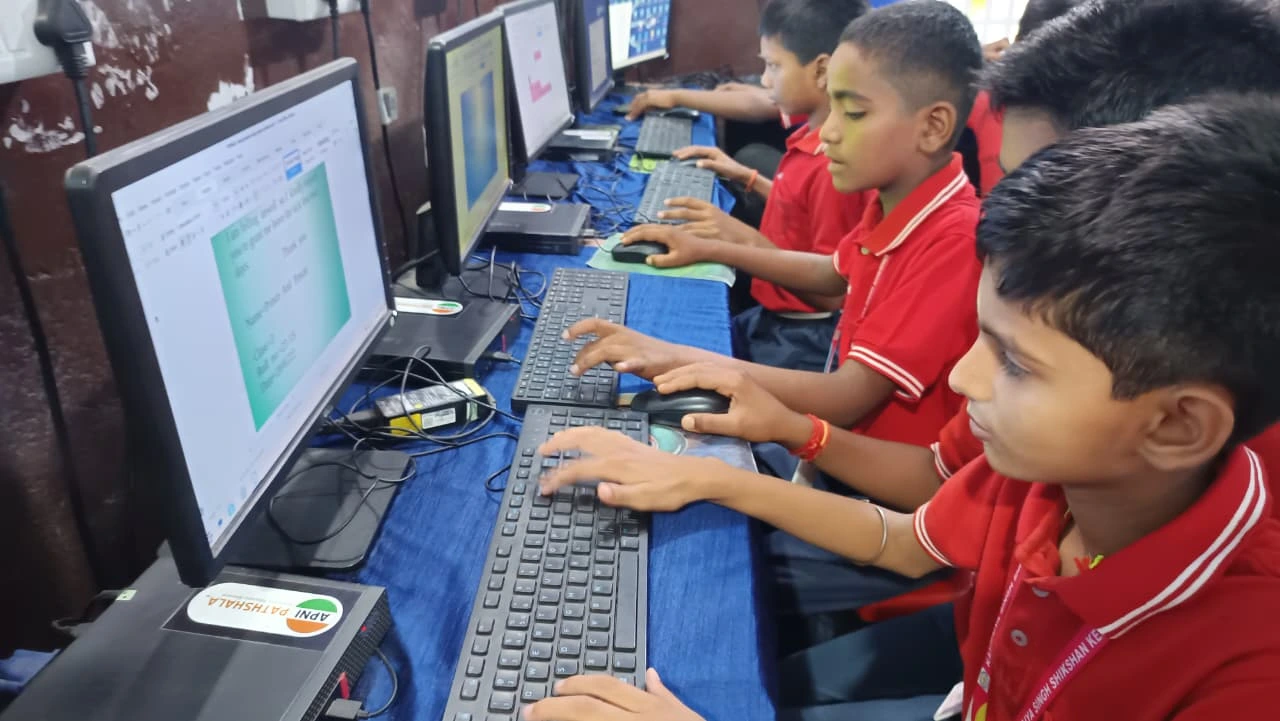
Apna PC isn’t just any computer. It’s designed specifically for Indian students like your child, with Rs.30,000 worth of thoughtful features built in. The machine comes pre-loaded with Scratch, a programming platform where your child can create games and animations by snapping blocks together like digital LEGO.
Here’s what makes it different: when your child’s Scratch project crashes or doesn’t work the way they imagined, nothing breaks. They can undo, try again, and experiment without fear. This is learning by doing on Apna PC—real, hands-on, mistake-friendly learning.
The 8GB RAM and 128GB SSD mean the computer doesn’t slow down or freeze when your child is testing ideas. LibreOffice is included too, so your child can write, calculate, and create without worrying about expensive software licenses. Zorin OS runs smoothly on modest hardware, keeping everything responsive and fast.
But the real magic is in Apni Prerna, the student monitoring system. You can see what your child is working on without hovering over their shoulder. You can celebrate their progress and gently guide them when they’re stuck, without giving away the answer.
Problem-Solving Skills That Stick Around
When your child learns from mistakes on Apna PC, they’re building habits that last a lifetime. They learn to ask “Why did that happen?” instead of “I can’t do this.” They learn to test ideas, observe results, and adjust their approach.
This is exactly what the DIKSHA digital learning platform emphasises: learning isn’t about memorising answers; it’s about developing the ability to find answers. Your child becomes an active learner instead of a passive receiver of information.
Think about Rohan again. After his Scratch project crashed that first time, he didn’t just try the same thing again. He looked at what went wrong, tried a different approach, and got it working. His mother didn’t fix it for him. He fixed it himself. That’s the difference between being told the answer and learning from mistakes.
Turning Frustration Into Growth
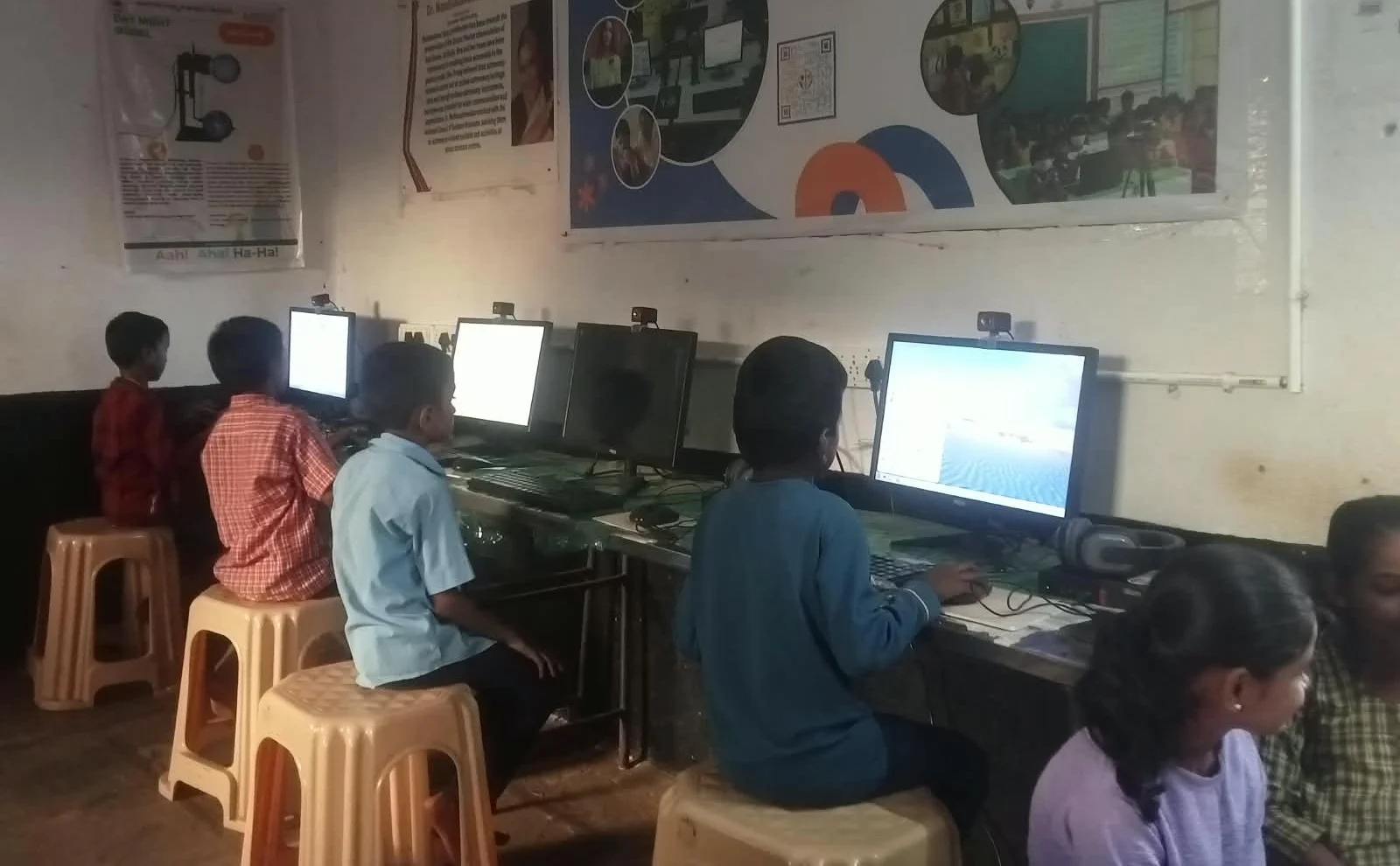
You know that feeling when your child gets frustrated because something isn’t working? That frustration is actually a sign that real learning is about to happen. Your job isn’t to make it go away; it’s to help your child push through it.
With Apna PC, you can sit beside your child and say things like: “What do you think happened?” and “What would you try next?” Instead of solving the problem, you’re coaching your child to solve it themselves. This builds learning confidence that shows up in every subject and every challenge they face.
The computer itself supports this approach. Because it’s affordable and built for Indian families, you won’t worry about your child breaking something expensive. You can let them explore freely, knowing the machine can handle it.
What Your Child Actually Learns
Over weeks and months, your child develops real skills through learning from mistakes:
- How to debug code in Scratch and understand why programs behave the way they do
- How to organise thoughts in LibreOffice and revise their own writing
- How to search for solutions independently instead of always asking for help
- How to celebrate small wins and stay calm when things don’t work the first time
These aren’t just computer skills. They’re life skills. Your child learns resilience, patience, and the courage to try hard things.
Starting Your Child’s Journey Today
You don’t need to be tech-savvy to support your child’s learning on Apna PC. The computer comes ready to use, with everything pre-installed. Your child can start creating and learning from day one. You can check in using Apni Prerna to see their progress without interrupting their flow.
Rohan’s mother didn’t have a fancy computer. She had something simpler but more powerful: a willingness to let her son learn from mistakes. With Apna PC in your home, you’re giving your child that same gift. You’re saying: “It’s okay to fail. It’s okay to try again. That’s how real learning happens.”
Your child’s confidence, problem-solving skills, and love of learning are worth far more than the cost of a computer. They’re worth everything. Visit apnapc.com to learn more.