


Ravi’s Struggle: When Asking for Help Feels Impossible
Ravi is twelve years old. He sits in his room in Indore, staring at his math homework. The fractions problem makes no sense. His stomach feels tight. He thinks about raising his hand in class tomorrow, but the thought terrifies him. What if the teacher thinks he’s stupid? What if his classmates laugh? So he closes his notebook and tells his mother he’s finished. She doesn’t know he’s stuck.
This story plays out in thousands of homes across Tier 2 and Tier 3 cities in India. Your child might be living it right now. Many children struggle silently because they don’t feel safe asking for help. They worry about judgment. They fear embarrassment. They believe asking means they’re not smart enough.
But research on learning shows that children who ask for help actually learn better and faster. The real problem isn’t the question. It’s creating an environment where your child feels comfortable asking it. This is where learning support becomes critical.
Why Children Don’t Ask for Help (And What You Can Do)
Your child doesn’t ask because the stakes feel high. In traditional classrooms, asking means exposure. Everyone watches. The teacher might give a disappointed look. Peers might whisper. Even at home, some children fear disappointing their parents.
They also don’t ask because they don’t know how. No one taught them. They don’t have the words. They don’t understand that being stuck is part of learning, not a sign of failure.
What changes this? A safe space. A tool that responds without judgment. Technology that listens more than it lectures. This is what Apna PC creates for your child.
How Apna PC Builds Confidence in Asking Questions
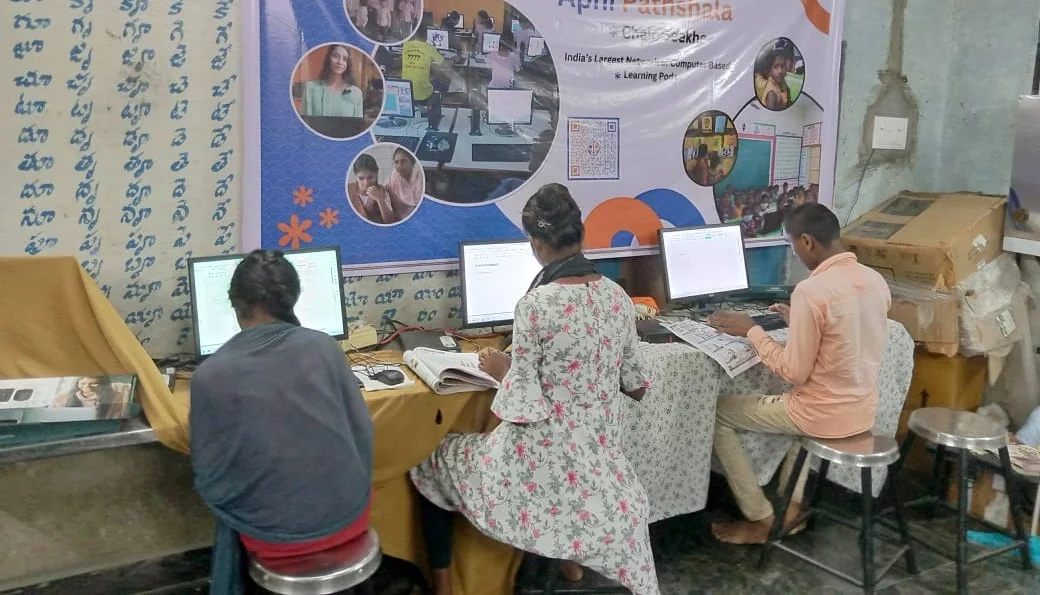
Apna PC is an educational computer built specifically for Indian students. It comes pre-loaded with resources designed to support your child’s learning journey. But more importantly, it creates a judgment-free zone where asking for help feels natural.
When your child sits down with Apna PC, they don’t worry about embarrassment. The screen doesn’t judge. The computer doesn’t think less of them for struggling with a concept. This psychological safety is everything. It’s the first step toward building genuine learning support habits.
The device includes tools like Scratch for coding, LibreOffice for projects, and access to structured learning paths. Your child can pause, rewind, ask again, and try differently without anyone watching or criticising.
Apni Prerna, the student monitoring system built into Apna PC, also helps you see where your child is stuck. You get insights into their learning patterns. You understand which topics need attention. You can then offer help at the right moment, in the right way.
Building Independent Learning Habits Through Safety
Here’s something many parents miss: when children feel safe asking for help, they actually become more independent. Sounds backwards, right? It’s not.
Your child learns to identify their confusion. They practice naming the problem. They experiment with solutions. They develop independent learning habits because they’re not paralysed by fear. They’re not wasting energy on shame. They use all their brainpower to solve the problem.
Apna PC supports this process. When your child gets stuck on a Scratch project, they can try again. When a math concept doesn’t click, they can explore it in a different way. When they need to research something, they have access to quality resources like the DIKSHA digital learning platform.
The Real Cost of Not Asking for Help
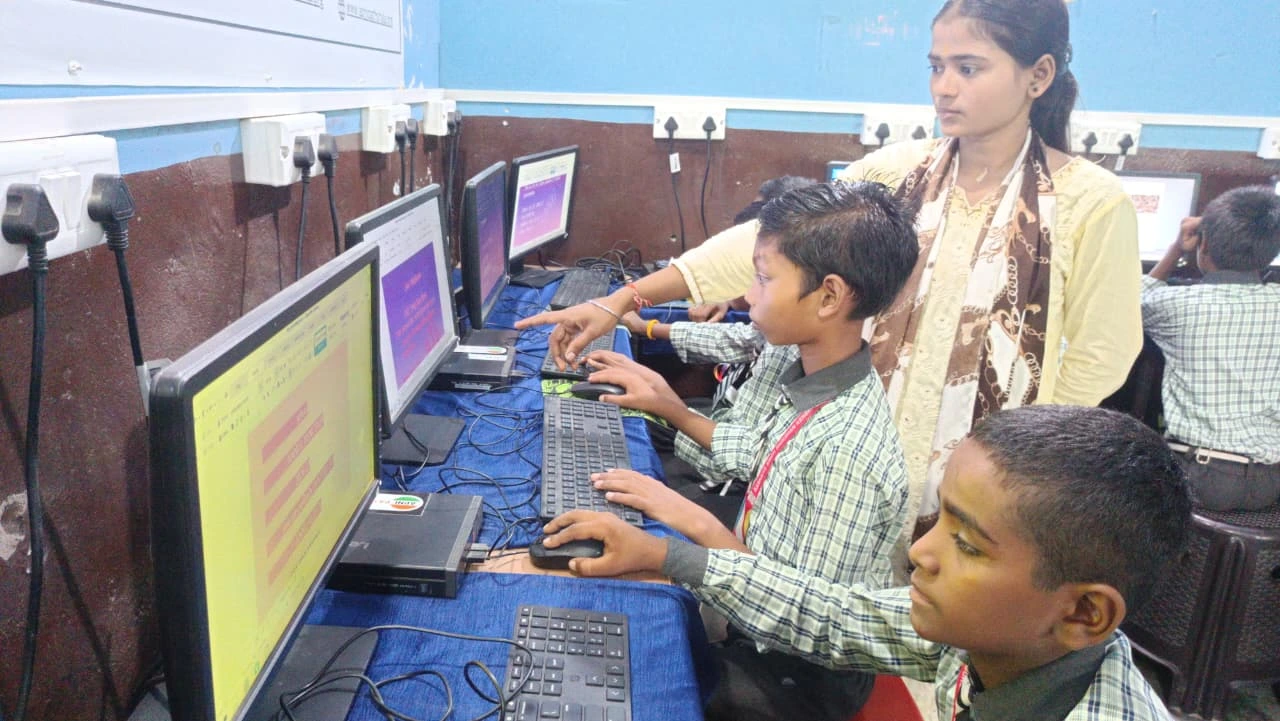
Children who don’t ask for help fall further behind. One missed concept becomes two. Two become five. By the time parents realise something’s wrong, the child has completely lost confidence. They’ve started believing they’re not good at studies. This belief becomes their reality.
Your child might start avoiding homework. They might develop anxiety around exams. They might stop trying altogether. All because they never learned it’s okay to be stuck.
With Apna PC, the pattern breaks. Your child practices asking for help in small ways. They get comfortable with confusion as a learning stage, not a failure state. They build the courage to raise their hand in class. They talk to teachers and friends about what they don’t understand.
Measuring Progress When Your Child Asks for Help
You’ll notice changes. Your child will talk more about what they’re learning. They’ll mention problems they solved. They’ll ask you questions. These aren’t interruptions. They’re signs that real learning progress is happening.
Apna PC helps you track this progress. You see which assignments your child completed. You understand their pace. You know when they’re struggling before report cards arrive. This visibility lets you support them better.
The device costs Rs.30,000 (shipping and GST excluded). Compare this to private tuition, which costs thousands monthly. Compare this to your child falling behind and losing confidence. The investment in a tool that makes learning support accessible is an investment in your child’s future.
Starting the Conversation at Home
Today, talk to your child about being stuck. Tell them it’s normal. Tell them you want to help, but they need to tell you when something doesn’t make sense. Make it safe. Make it expected. Make it part of your family culture.
Then give them a tool that reinforces this message every single day. Apna PC does exactly that. It says, through its design and function: your questions matter. Your learning matters. It’s okay not to know.
Your child deserves to grow up believing this. They deserve to ask for help without shame. They deserve learning support that meets them where they are. Apna PC makes this possible for families across Tier 2 and Tier 3 cities in India. Visit apnapc.com to learn more.