


When Pressure Freezes Your Child’s Mind: Ravi’s Story
Ravi sat at the dining table in their Pune apartment, staring at his math worksheet. His mother, Priya, watched from the kitchen as beads of sweat formed on his forehead. The clock showed 4:47 PM. His exam was in three days. He’d solved the first problem in twelve minutes. At this rate, he’d never finish the paper on time. His hands trembled. His breathing quickened. Priya saw her son wasn’t just struggling with math; he was drowning in time pressure while trying to solve problems.
This scene plays out in thousands of Indian homes every week. Your child knows the concepts. They understand the steps. But the moment you add a ticking clock, their mind goes blank. They panic. They rush. They make careless mistakes. The real issue isn’t their intelligence. It’s their ability to manage problem-solving under pressure.
Why Time Pressure Breaks Problem Solving Skills
When your child faces a problem, their brain needs to do three things at once: understand the question, think through solutions, and manage the clock. Most kids haven’t learned to do all three at once. They either work too slowly and run out of time, or they rush and skip important steps.
The stress hormones kick in. Their prefrontal cortex, the part that handles logic and planning, gets less blood flow. Their amygdala takes over. That’s the fear centre. Under this kind of pressure, your child’s problem-solving ability drops.
Priya didn’t understand this at first. She thought Ravi just needed to “practice more” or “try harder.” But harder effort under panic creates more panic. Your child needs a system. They need a calm space. They need tools that let them practice problem-solving without the anxiety.
The Missing Piece: A Dedicated Learning Space
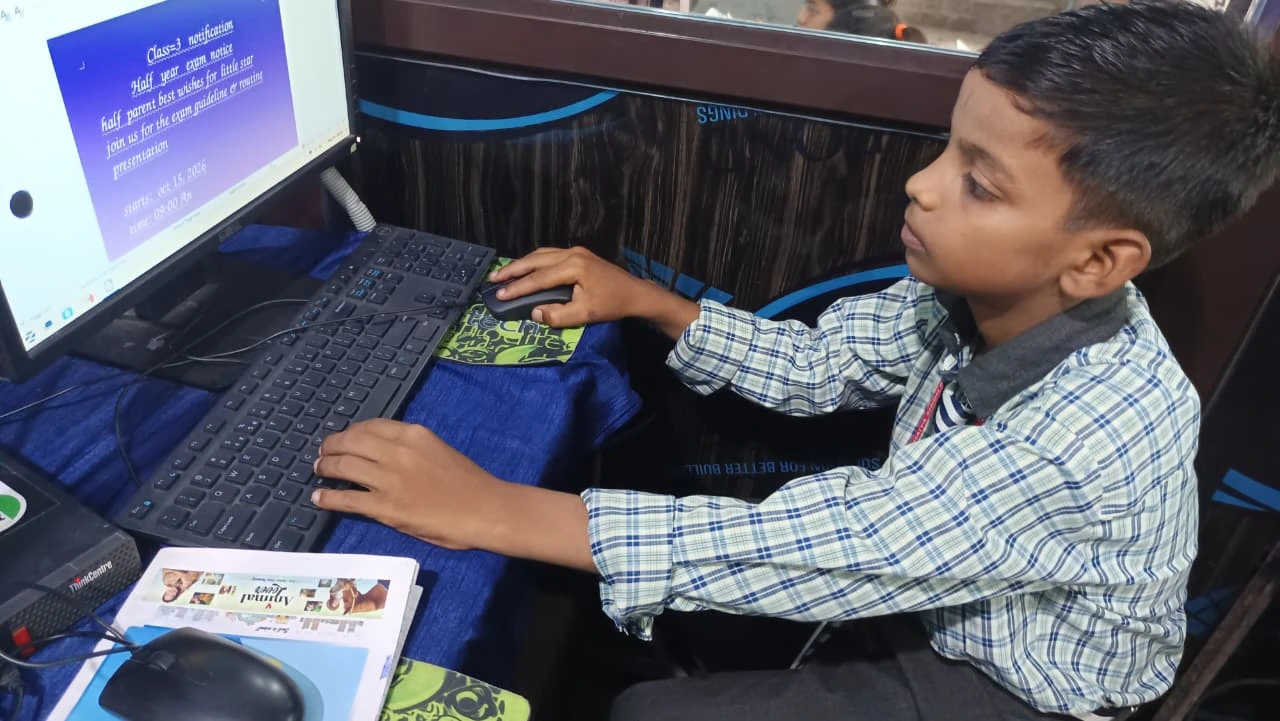
After weeks of struggling, Priya made a decision. She set up a small desk in the corner of their living room. Just for Ravi. Just for studying. No phone. No TV. No distractions. She bought him a computer that came pre-loaded with study tools, not games, not social media, just learning software.
This was the Apna PC. A Rs.30,000 educational computer designed for Indian students. It runs Zorin OS, a clean operating system with no ads, no notifications, no distractions. It comes with Scratch for coding practice, LibreOffice for document work, and Apni Prerna for tracking progress.
But the real magic wasn’t the computer itself. It was what the computer enabled: a distraction-free study environment. When Ravi sat at this desk with this machine, his brain knew: this is for work. This is serious. This is safe.
How the Right Tools Change Problem Solving
With his dedicated Apna PC setup, Ravi started practising differently. He’d open a problem. He’d work through it without rushing. He’d check his answer. He’d write down where he got stuck. The computer tracked his progress in Apni Prerna. Priya could see exactly which topics slowed him down.
Here’s what changed: Ravi stopped panicking because he no longer felt lost. When you know your weak areas, you can practice them specifically. When you practice in a calm space, your brain actually learns. When you see your own progress tracked in real numbers, your confidence grows.
After three weeks, Ravi solved his first full math paper in 45 minutes. He didn’t rush. He didn’t panic. He worked steadily. He scored 34 out of 40. Not perfect, but something shifted inside him. He realised he could handle time pressure. He just needed the right conditions to build that skill.
This is what problem-solving really means for students in Tier 2 and Tier 3 cities. It’s not just solving the math problem. It’s solving the bigger problem: staying calm, managing time, and thinking clearly under pressure.
Building Problem-Solving Skills Step by Step
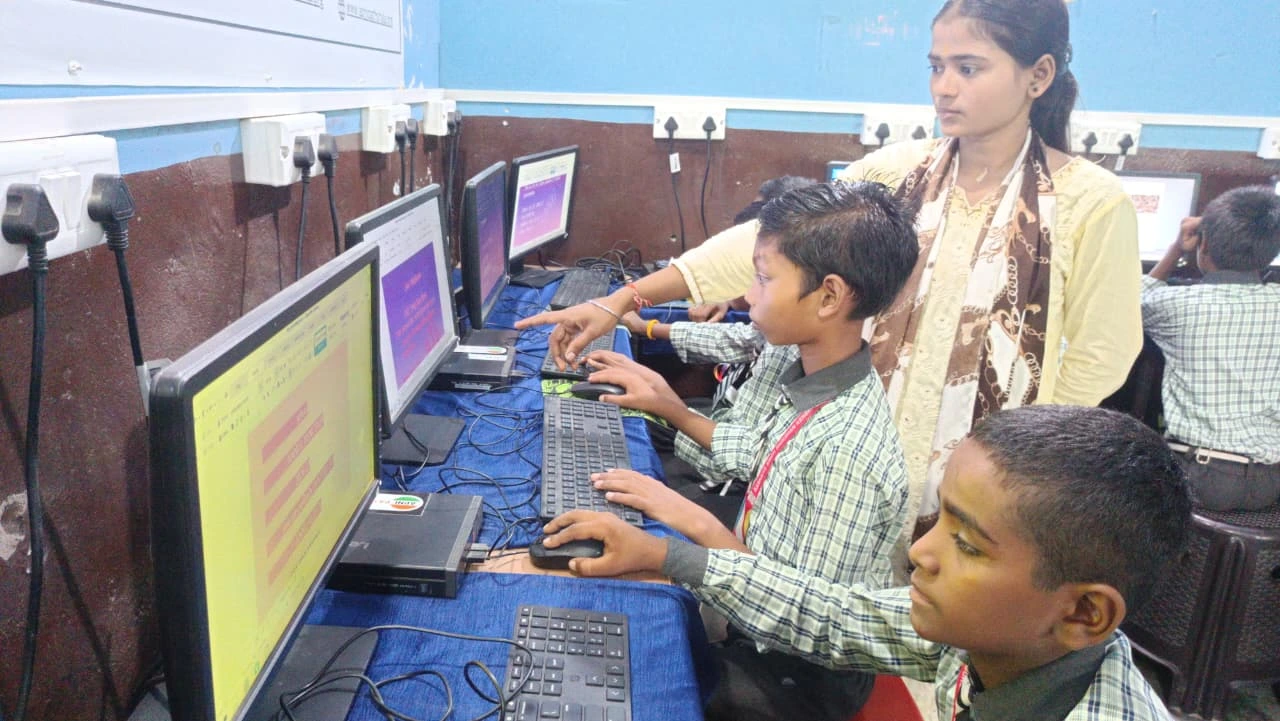
The Apna PC helped Ravi build what experts call problem-solving methods. He learned to break big problems into smaller chunks. He learned to estimate how long each chunk would take. He learned to check his work. These aren’t tricks. These are skills that come from repeated, calm practice.
Your child can learn these same skills. The setup matters. The tools matter. But mostly, the consistency matters. When your child practices problem-solving in a calm, dedicated space every single day, their brain rewires itself. They get faster. They get more accurate. They get more confident.
An organised study setup isn’t a luxury. It’s the foundation. The Apna PC with its 8GB RAM and 128GB SSD runs smoothly without lag. It comes with everything pre-loaded. You don’t have to hunt for software or worry about viruses or ads. Your child can focus entirely on learning.
What Parents Need to Know
You might wonder if a computer helps or hurts. Won’t it just distract your child? The answer depends on the computer. A regular laptop with access to YouTube, Instagram, and games will destroy focus. The Apna PC is built differently. Apni Pathshala, an organisation focused on education, designed it. It removes distractions by design.
Priya noticed something else. When Ravi studied on the Apna PC, he was more organised. He created folders for each subject. He saved his practice papers with dates. He could look back and see his progress over weeks. This kind of organisation builds critical thinking alongside problem-solving.
Critical thinking means asking: Why did I get this wrong? What step did I miss? How can I avoid this mistake next time? Your child can’t think critically when they’re panicking. They can only think critically when they’re calm. The Apna PC creates that calm.
According to the Indian Ministry of Education, students in Tier 2 and Tier 3 cities often lack access to quality learning resources. The Apna PC bridges that gap. It’s affordable. It’s built for Indian students. It works with Indian internet speeds and power conditions.
The Real Return on Investment
Ravi’s parents spent Rs.30,000 on the Apna PC (plus shipping and GST). In six months, Ravi’s math scores improved from 24/40 to 36/40. His science problem-solving improved too. His confidence in exams jumped noticeably. More importantly, he stopped being afraid of time pressure.
That’s the real value. Not just better grades, though that matters. It’s giving your child a tool that lets them practice problem-solving without fear. It’s creating a space where they can fail safely and learn from failure. It’s showing them that with the right system, they can handle pressure.
Your child can solve problems. They have the intelligence. They have the knowledge. What they might be missing is the calm space and the right tools to practice. The Apna PC provides both. It’s not magic. It’s just smart design meeting real need.
Your child deserves a dedicated space to learn. They deserve tools built for their success, not for distraction. They deserve to build problem-solving skills without panic. Apna PC makes this possible. Visit apnapc.com to learn more.