

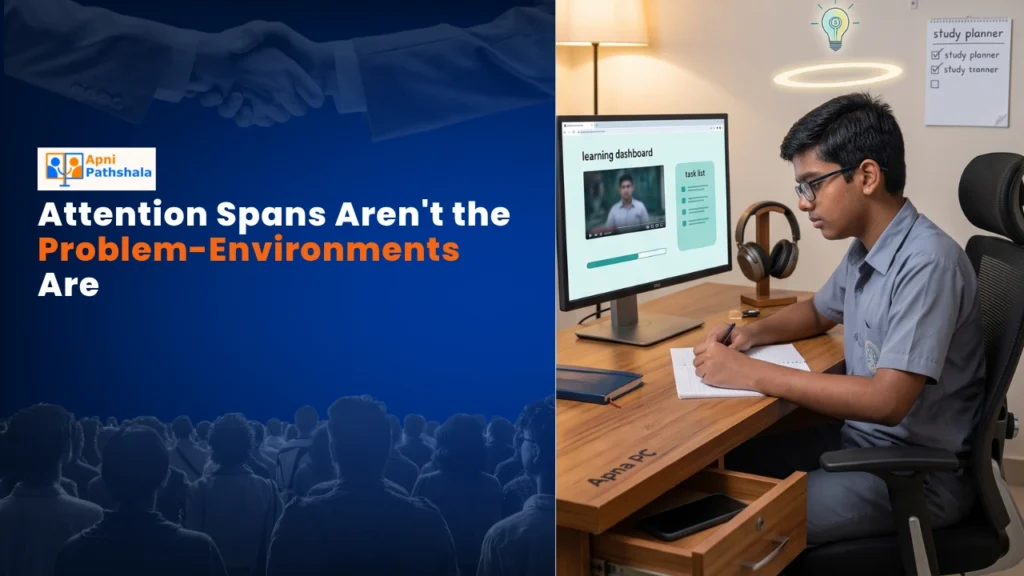
A child’s short attention span is often a sign of a poor study environment, not a broken ability to focus. Dim lighting, noise, an uncomfortable seat and slow or distracting devices make the brain work hard just to filter out distractions, so fixing the space usually helps concentration more than scolding the child.
Your child stares at the textbook for five minutes, then reaches for the phone. Before assuming their focus is the problem, look at where and how they study.
Why does attention span struggle in the wrong environment?
Attention depends heavily on surroundings, tools and how engaging the material feels. Many parents blame screen time or “weak concentration”, but the space itself can work against learning.
At a cramped desk with poor lighting and noise from the street or siblings, a child’s brain is busy filtering distractions before it can focus on the lesson. That is not a weak attention span; it is a tired brain fighting an unfriendly environment. For general background on how people learn, see this overview of learning research.
Which environmental factors hurt a child’s focus?
Five common factors break concentration at home:
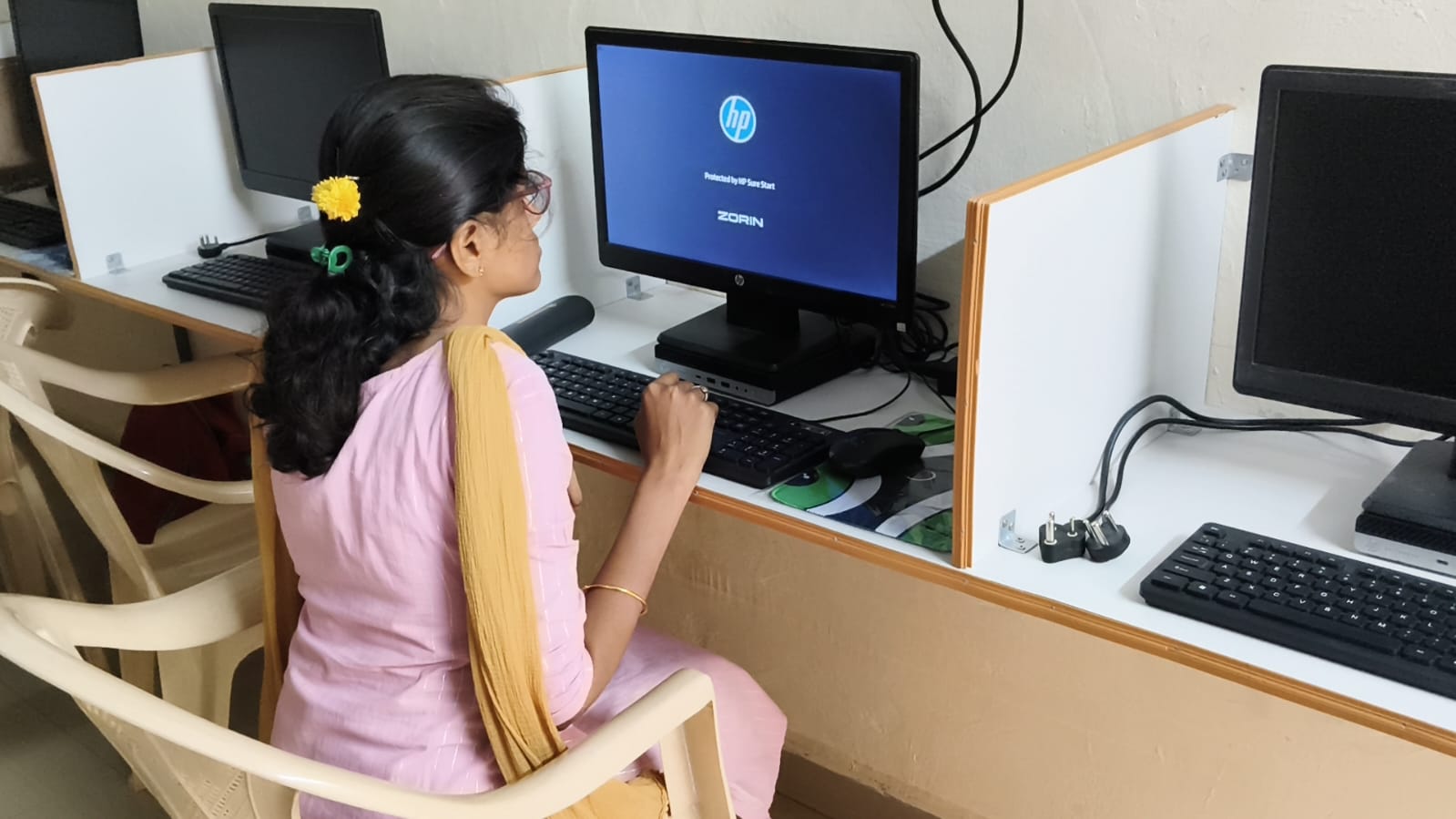
- Poor lighting: dim rooms make eyes strain and tire, which feels like losing focus but is physical discomfort.
- Noise: constant traffic, TV or street vendors break attention into fragments.
- Poor study space: studying on a bed or the floor leads to bad posture and discomfort. Check our guide on study space warning signs.
- Lack of proper tools: without a computer or learning platform, students cannot reach good content, get bored faster and lose focus.
- Digital chaos: slow devices and constant notifications hurt focus more than helpful technology does. Read about the screen time learning myth.
How does the learning environment shape focus?
When the environment supports learning, attention stretches naturally. Think of attention like a muscle: nobody lifts weights well in a dark, noisy gym with broken equipment.
In a space that is not fighting against them, students can concentrate for 45 minutes, 60 minutes, even 90 minutes. A good study space includes:
- Good natural light or a bright LED lamp
- A quiet corner away from household traffic
- A proper desk and chair for correct posture
- A reliable computer for digital learning platforms
- Minimal visual clutter
Can the right technology improve attention span?
Yes, the right technology helps focus rather than harming it. Interactive lessons, practice problems with instant feedback and progress tracking keep students engaged longer.
Platforms like DIKSHA offer structured learning that holds attention better than passive textbook reading, but they need a working device. A slow, outdated computer frustrates students and breaks concentration.
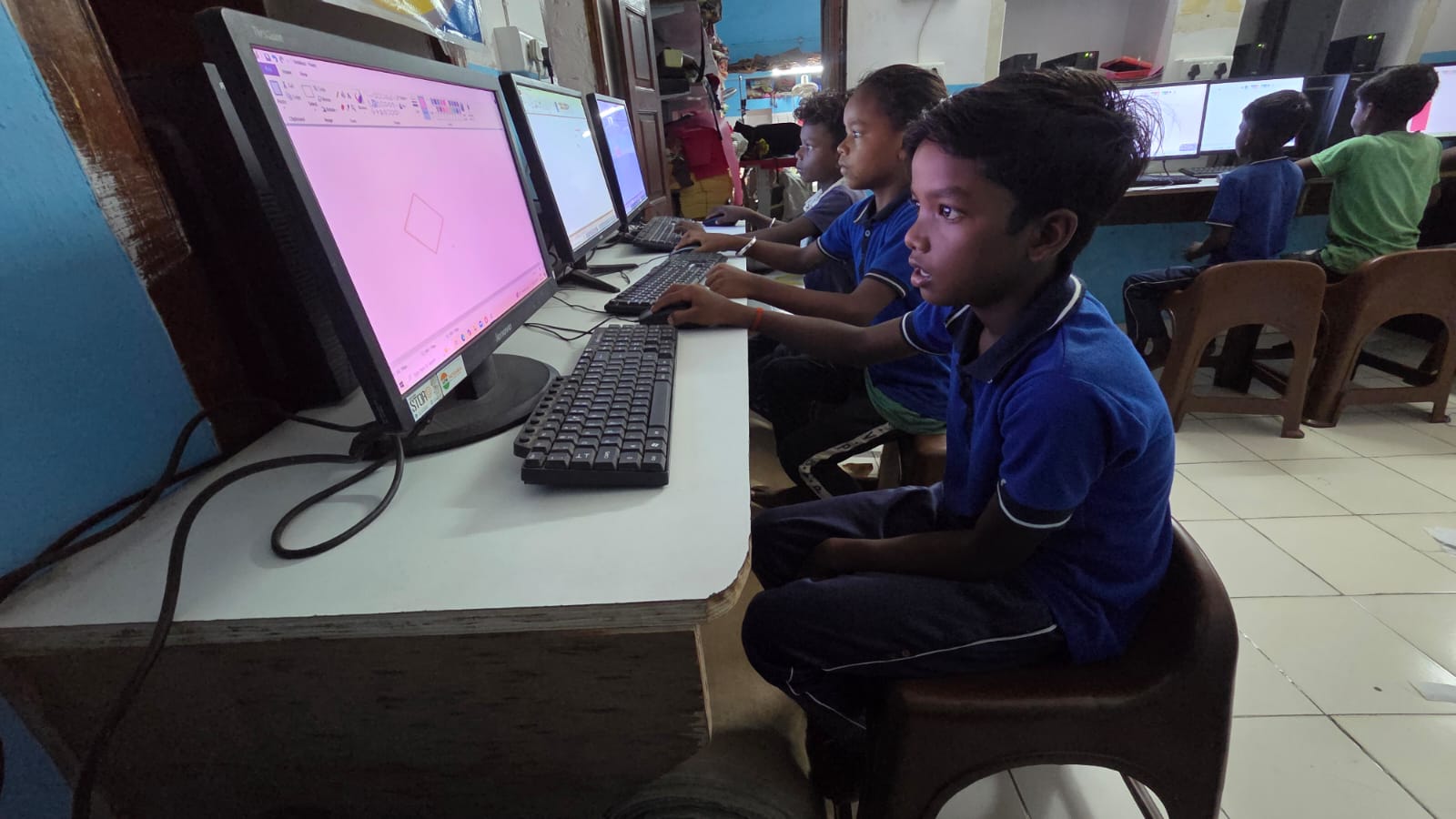
An affordable, reliable computer (like those at Rs.30,000) lets your child attend online classes, submit assignments on time and open learning material whenever they are ready.
How do you build a focus-friendly study space?
Work through five practical steps, one at a time:
- Audit the space: is it dark, noisy or cramped? These are attention killers, not character flaws.
- Fix the lighting: add a desk lamp or let natural light reach the desk.
- Create a quiet zone: move study away from TVs and busy areas; a quiet bedroom corner works.
- Get proper furniture: a Rs.3,000-5,000 desk and chair prevent the discomfort that breaks focus.
- Get a reliable computer: your child needs online resources, digital submissions and exam practice, and an educational computer removes technical frustration.
Our tips on the right study lighting setup help with step two.
Can a child’s attention span improve at home?
Yes. Attention span is not fixed, but environments can be changed. Children who say they “can’t focus” for more than 10 minutes at home often concentrate through full school periods because the classroom supports it.
You can recreate that at home. Fix one thing this week, whether better lighting, a quieter corner or a working computer, and watch how your child’s focus shifts.
Frequently Asked Questions
Is screen time the main reason my child cannot focus?
Not always. Screen time can play a part, but lighting, noise, posture and the tools your child uses matter just as much. A distraction-free study computer and a quiet, well-lit desk often help more than banning screens. Look at the whole study environment before deciding the cause.
What is the easiest first change to improve focus?
Start with lighting and noise, because they are quick and cheap to fix. Add a desk lamp, move the desk away from the TV and keep the phone in another room. Small changes like these often show a difference in concentration within the first week.
How do I know if the study space is the problem?
Compare how your child focuses at home with how they manage at school or in a quiet library. If they concentrate well elsewhere but not at home, the environment is likely the issue. Sit in their study spot yourself and notice the light, noise and comfort.
A better study space helps your child build real, lasting focus. Visit Apna PC to learn how an affordable educational computer can support their learning environment.