

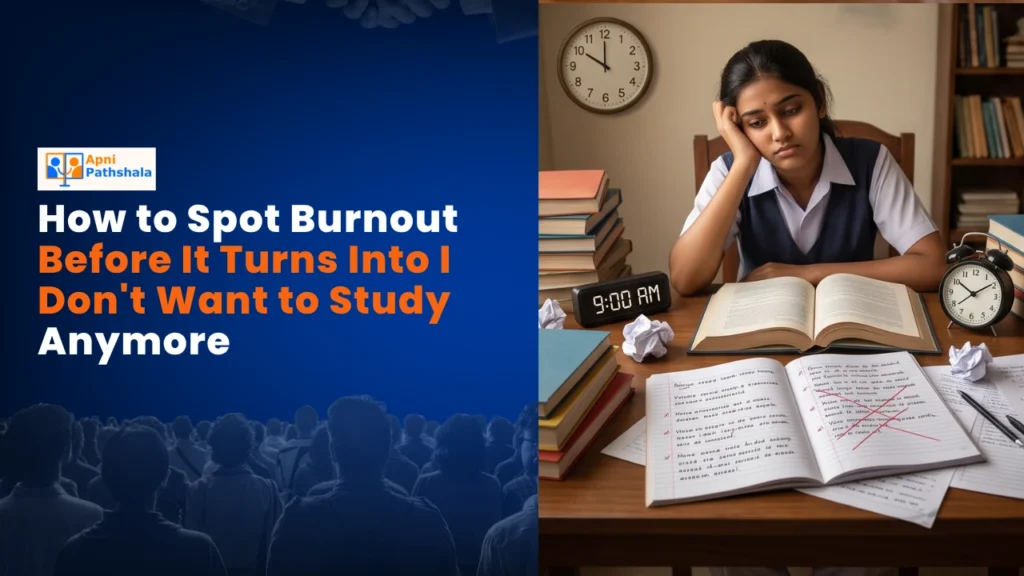
You can spot student burnout early by watching for exhaustion that rest does not fix, emotional withdrawal, falling marks despite effort and lost interest in things your child used to enjoy. When a child says “I don’t want to study anymore”, treat it as a signal to listen and reduce pressure, not as laziness.
For example, a strong Class 9 student might, by mid-Class 10, sit for hours staring at a textbook without reading a line and snap at family over small things.
What is student burnout and why does it matter?
Student burnout is emotional exhaustion from long-term academic pressure. It is different from being tired after a tough exam: your child feels drained before studying even begins, loses interest in subjects they once loved and cannot concentrate.
Falling marks are a symptom, not the real problem. Many Indian families push hard towards IIT, medical seats and topper ranks, and it is easy to forget that a burned-out child cannot absorb anything. When burnout takes root, a child stops wanting to improve at all.
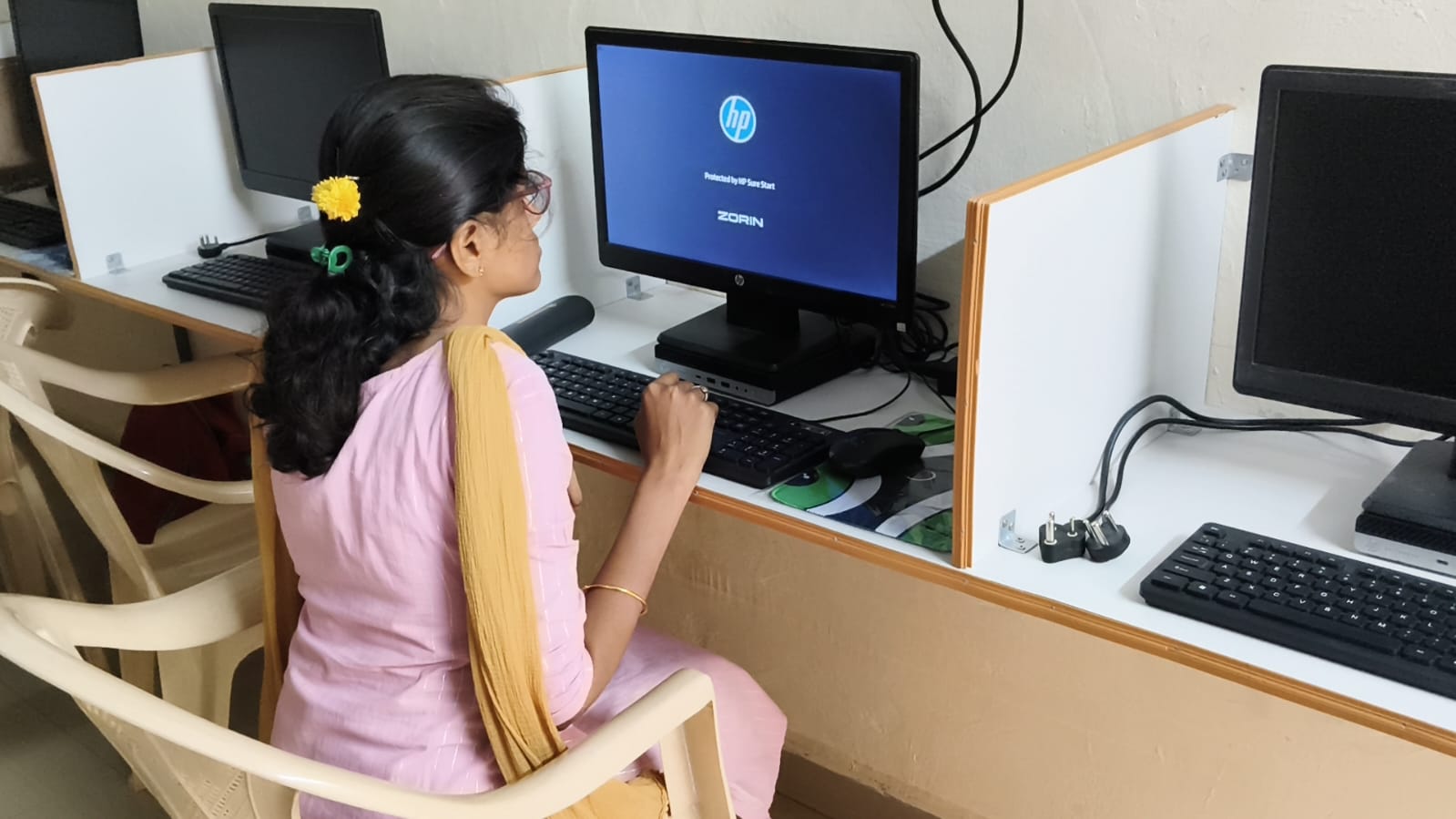
What are the warning signs of student burnout?
Five signs show up most often. Watch for several appearing together.
- Exhaustion without physical activity. Your child sleeps 10 hours but still feels tired, or complains of headaches or stomach pain before study time.
- Emotional withdrawal. They stop talking about school, avoid friends and snap at family members.
- Falling marks despite effort. They study for hours but cannot retain information.
- Loss of interest in everything. Hobbies feel boring, they laugh less and food does not taste good.
- “I don’t want to study anymore.” This is not rebellion. It is a cry for help, so listen without judgment.
How is normal study stress different from burnout?
Study stress is temporary and burnout is not. A stressed child feels pressure before an exam and then recovers. A burned-out child wakes up anxious and cannot switch off.
| Study stress | Burnout |
|---|---|
| Comes and goes around exams | Never lifts |
| Can push a child to work harder | Crushes motivation completely |
| Helped by better time management | Needs rest and often professional support |
Do not confuse the two by pushing harder.
How can you help your child before it gets worse?
Start by listening without trying to fix. When your child says they do not want to study, do not immediately suggest a tutor or more hours. Sit with them, ask why and let them talk.
Create real breaks
Real rest, not more screen time. Study breaks help kids focus better, but only when they are genuine. Encourage play, a walk or quiet time.
Reduce pressure at home
Stop comparing your child to toppers and mentioning board exams every day. If only marks are valued, a child can burn out chasing an impossible standard.
Respect tiredness
If your child is too tired to study, forcing them to sit at a desk makes things worse. Sometimes the best study decision is sleep.
Can technology help with burnout?
Good study tools reduce friction, but connection matters more. When your child is not fighting technical problems, they can spend their energy on learning.
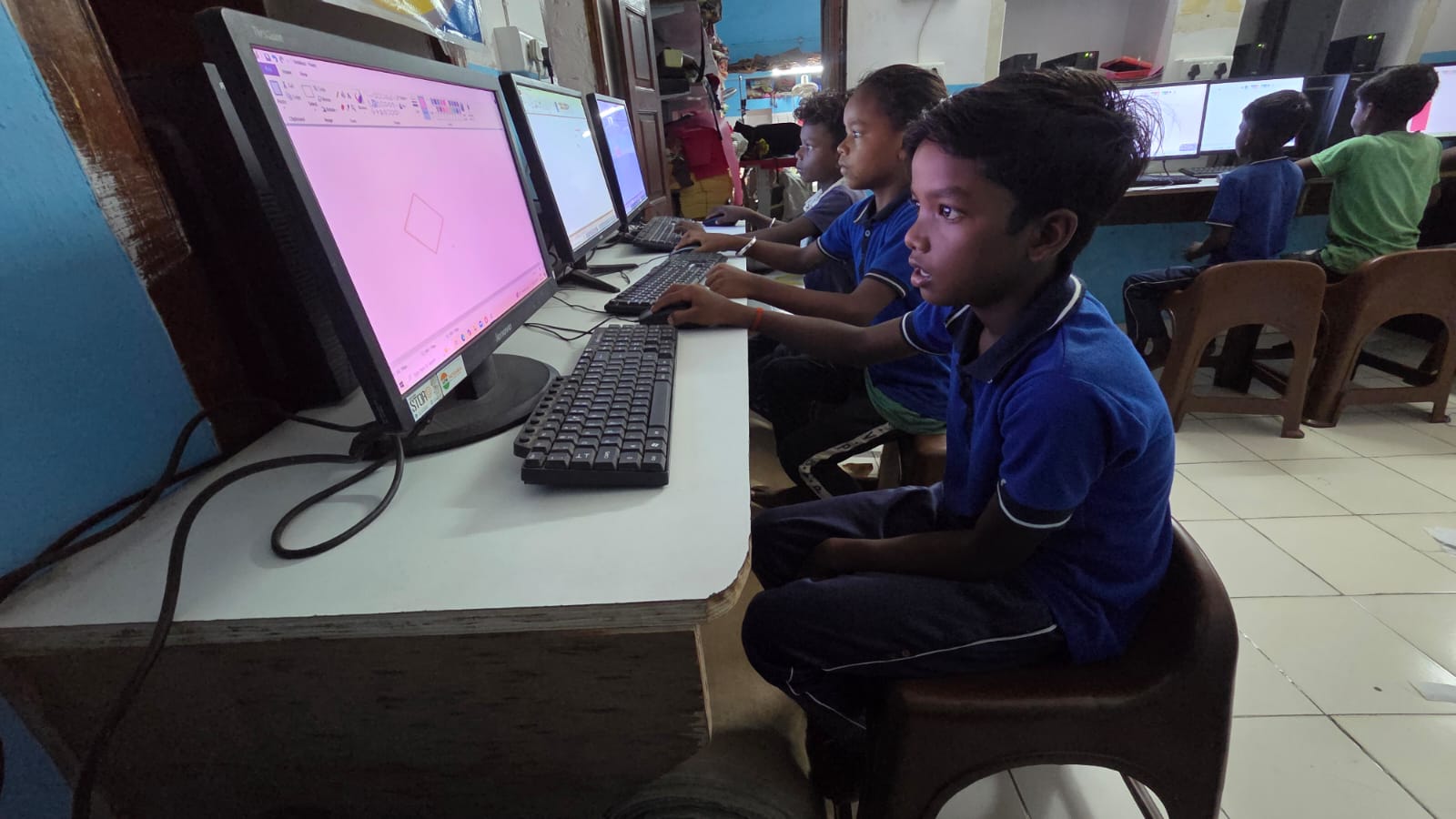
Apna PC comes with Apni Prerna, which helps you notice study patterns without intruding, plus Scratch for creative coding and LibreOffice for projects. But what your child really needs is your presence. Put your phone away while they study, and show that learning matters to you, not just grades.
When should you seek professional help?
If burnout signs last more than two weeks, talk to a counsellor. Many schools have one, and your paediatrician can refer you to a mental health professional. There is no shame in asking for help.
The India Ministry of Education site has guidance on student wellbeing programmes, and this overview of students gives broader context. For a steadier study rhythm, see how to build a revision schedule that works.
Frequently Asked Questions
Is my child lazy or burned out?
Look at the pattern. A burned-out child often used to enjoy learning, now feels tired even after 10 hours of sleep, withdraws from friends and family, and struggles to retain information despite trying. Laziness rarely comes with this exhaustion and loss of joy across many areas.
What daily habits help prevent burnout?
Sustainable habits matter most. Study for 45 minutes, then take a 15-minute break. Eat healthy meals, sleep 8 hours and get some exercise. These are not distractions from studying. They are the foundation for studying well over the long term.
How do I talk to my child about their stress?
Listen first and avoid jumping to solutions. Ask about their day and their dreams, not only their marks. When learning connects to something your child cares about, study stress becomes easier to manage and they study for themselves rather than for you.
Student burnout is preventable when you notice the signs early and respond with care instead of pressure. Apna PC supports focused, healthy study sessions with tools designed for young learners. Visit apnapc.com to learn more.