


Why Study Motivation Disappears After a Long School Day
Riya comes home at 3:30 PM every day. She drops her bag on the floor, kicks off her shoes, and collapses on the sofa. Her mother, Sunita, watches from the kitchen doorway. She knows what is coming next. In twenty minutes, she will ask Riya to open her maths notebook. Riya will say the same thing she says every evening: “I am too tired to study.”
Sunita is not alone. Millions of Indian parents hear this sentence every single evening. The child is not lying. After six hours of school, travel in crowded buses or autos, and the mental load of keeping up with multiple subjects, fatigue is real. But homework does not wait. Exams do not care about tiredness. So what can a parent actually do?
The answer starts with understanding the difference between physical tiredness and mental resistance. A child who is truly exhausted after school needs rest, not a lecture. But a child who says “I am tired” because studying feels boring or overwhelming needs a different kind of help. Knowing which one your child is facing changes everything about how you respond.
Study Motivation Starts With the Right Timing
Most Indian homes follow the same pattern: child comes home, eats a snack, and then parents push them to study immediately. This works for some kids. For many others, it creates a daily battle. The child’s brain has just spent six hours absorbing new information. Forcing more input right away is like pouring water into an already full glass.
Research on student learning patterns shows that children have different peak energy windows. Some are sharpest in the morning. Others hit their stride in the late afternoon. If your child always says they are too tired at 4 PM, try shifting study time to 6 PM after a proper break, or even to early morning before school. You can read more about whether kids study better in the morning or at night to find what fits your child.
A 20-minute power rest after school works wonders for many children. Not a full nap, which can ruin nighttime sleep, but a quiet period where they lie down, listen to soft music, or sit without screens. This short reset can turn “I am too tired” into “I am ready now.”
Simple Homework Tips That Reduce Fatigue
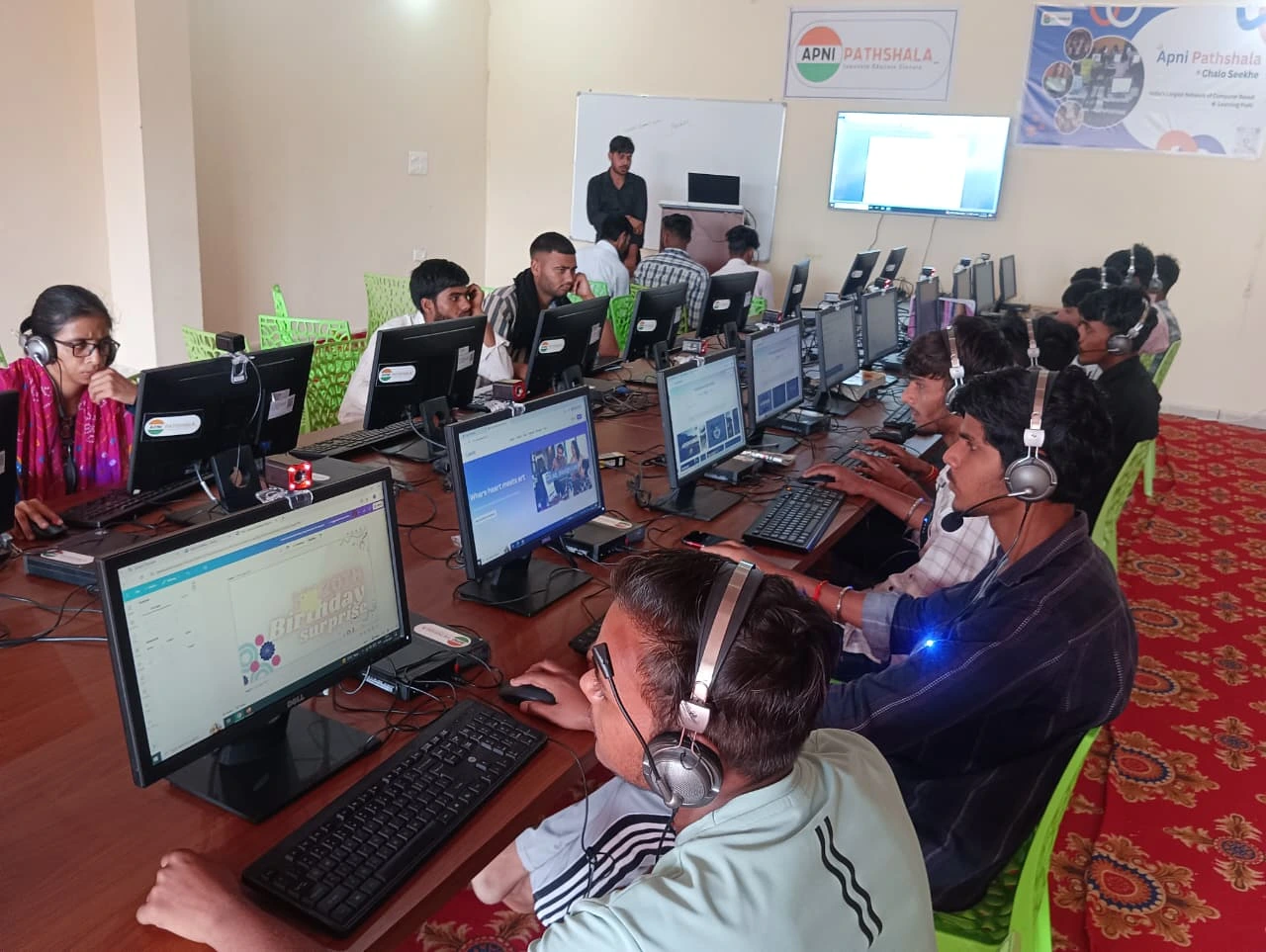
Tiredness often comes from how a child studies, not how long. The right homework tips can turn a drained child into one who finishes their work without tears. A child who sits with an open textbook for two hours but keeps getting distracted by a phone or a sibling is working ten times harder than a child who studies for 45 focused minutes. Constantly refocusing drains mental energy fast.
Break homework into 25-minute blocks with 5-minute gaps between them. During the break, the child should stand up, stretch, drink water, or look out a window. No screens during breaks. This simple structure, often called the Pomodoro method, gives the brain regular recovery points. The child finishes feeling less drained because they were never pushed past their limit without a pause.
Another tip: start with the easiest subject. Many parents push children to start with the hardest homework because “it will be over sooner.” But starting hard kills motivation. When a child finishes one subject quickly, they feel a small win. That feeling of progress fuels them through the harder subjects later. Try using retrieval practice methods to make even tough subjects feel less exhausting.
Parenting Advice: Watch for Hidden Causes of Fatigue
Sometimes “I am too tired” is not about studying at all. It signals that something else is wrong. The child might be struggling with a subject and feeling embarrassed to admit it. They might be dealing with peer pressure, bullying, or anxiety about an upcoming test. They might simply be sleeping poorly because of screen time before bed.
Check these basics first. Is your child sleeping 8 to 10 hours every night? Are they eating a proper lunch at school, or surviving on chips and biscuits? Are they drinking enough water? Dehydration alone causes tiredness and poor concentration. These small physical factors add up and show up as “I don’t want to study” every evening.
The India Ministry of Education has also highlighted how nutrition and sleep directly affect learning outcomes in Indian schools. A child who skips breakfast or sleeps late because of phone use will always struggle with evening study sessions, no matter how motivated they are.
How the Right Study Environment Changes Everything
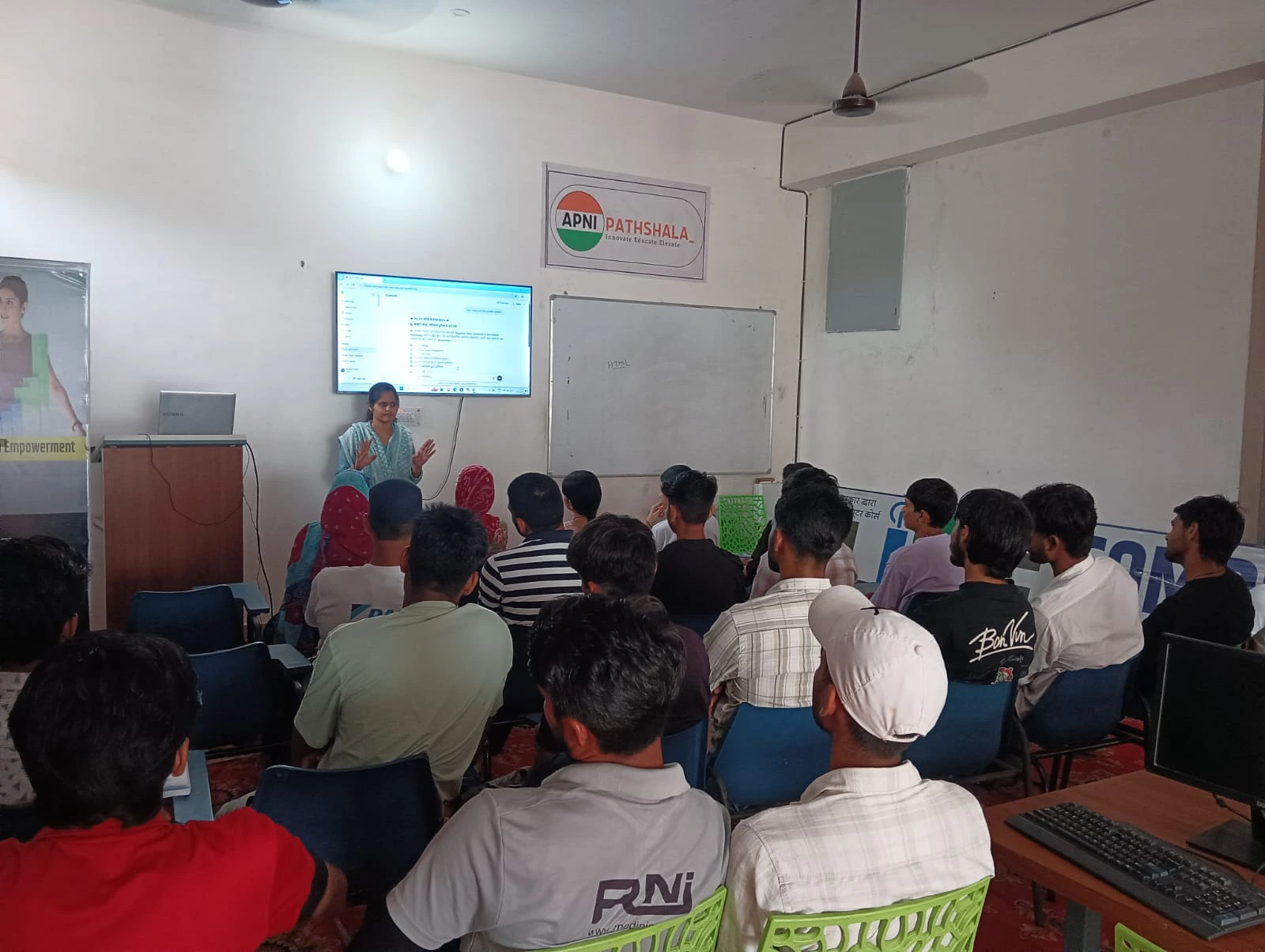
A noisy TV in the background. A shared table where siblings are fighting. A phone buzzing with Instagram notifications every two minutes. These are not small distractions. They are energy thieves. Every time a child’s focus breaks, their brain uses extra energy to get back on track. After a dozen interruptions, they feel exhausted even though they barely studied.
The solution is not strict discipline. It is a better setup. Give your child a quiet corner with a table, a chair, and nothing else. No phone, no TV, no conversations during study time. If space is tight in your home, even a designated 45-minute window where the whole family agrees to keep noise low can help.
A dedicated study computer like Apna PC makes this easier. It comes with Apni Prerna, a student monitoring tool that helps children stay on task without a parent standing over their shoulder. No games or social media apps are pre-installed to pull attention away. The child sits down, opens their work, and finishes faster because nothing interrupts them. At Rs.30,000 (shipping and GST excluded), it is built for exactly this kind of focused learning at home.
Building Study Motivation That Lasts Beyond Today
The real goal isn’t just to get through today’s homework. It is to build a habit of study motivation so your child doesn’t need you to push them every evening. This takes time, but it starts with small changes.
Praise effort, not results. When your child sits down without being asked, notice it. Say something specific like “You started on your own today; that takes discipline.” Avoid comparing them to Sharma ji’s son or their class topper. Comparison kills motivation faster than tiredness ever will.
Set a routine and stick to it. Children thrive on predictability. If study time is always at 6 PM, their brain starts preparing for it automatically. After a few weeks, the “I am too tired” complaints reduce because the habit takes over. The child no longer needs willpower to start; the routine does the heavy lifting.
Remember, every child is different. What works for your neighbour’s daughter may not work for your son. The key is to pay attention, adjust, and keep the conversation open. When a child says they are too tired, they are telling you something. Your job is to figure out what it is, then help them through it.
If you want a learning setup that removes distractions and helps your child build real study habits, consider Apna PC. It is designed for Indian families who want their children to learn independently without constant supervision. Visit apnapc.com to learn more.