


Some kids study better in the morning and others at night because each child’s body clock, or circadian rhythm, makes them feel most alert at different times of day. The best time to study is your child’s own peak window, which you can find by watching when they focus best for a couple of weeks.
For example, a bright child whose marks lag may simply be studying late after dinner when their focus is lowest. Changing the timing can help more than adding hours.
Why does the time of day affect how well a child studies?
The time of day matters because alertness rises and falls with the body’s natural rhythm. This internal clock controls when we feel alert, hungry and tired, and it is not the same for everyone.
Some children are “morning larks” who wake up full of energy. Others are “night owls” who get going after sunset. Forcing a night owl to study at 6 AM is like asking them to run with weights on their feet: they struggle, get frustrated and learn less. The same is true for a lark pushed to study late.
At their peak hours, most children concentrate better and remember more. That is not only about motivation or discipline.
Is morning study right for every child?
No. Morning study suits children who wake up fresh and alert. The mind is rested, the house is quieter and phones are not yet buzzing, and many students like starting at 5 or 6 AM.

But if your child wakes up groggy, forcing them into books at 6 AM rarely works. They may stare at the same page for 20 minutes and start to resent studying. If your child wakes before the alarm and seems energised, morning may be their best time. Our guide to a morning study routine on a computer can help.
Can night study really work for some children?
Yes, for some children night study works well. Many Indian parents believe the morning is the only productive time, but some children are genuinely more alert in the evening, with their clearest thinking around 7 or 8 PM.
The catch is sleep. If your child studies until 1 AM and wakes at 6 AM, they are sleep-deprived, which undoes the benefit. Night study only works if bedtime moves later too and your child still gets 7 to 8 hours of sleep. See why sleep matters for students.
How can you find your child’s best time to study?
Watch your child for two weeks and note when they focus best. You do not need a test.
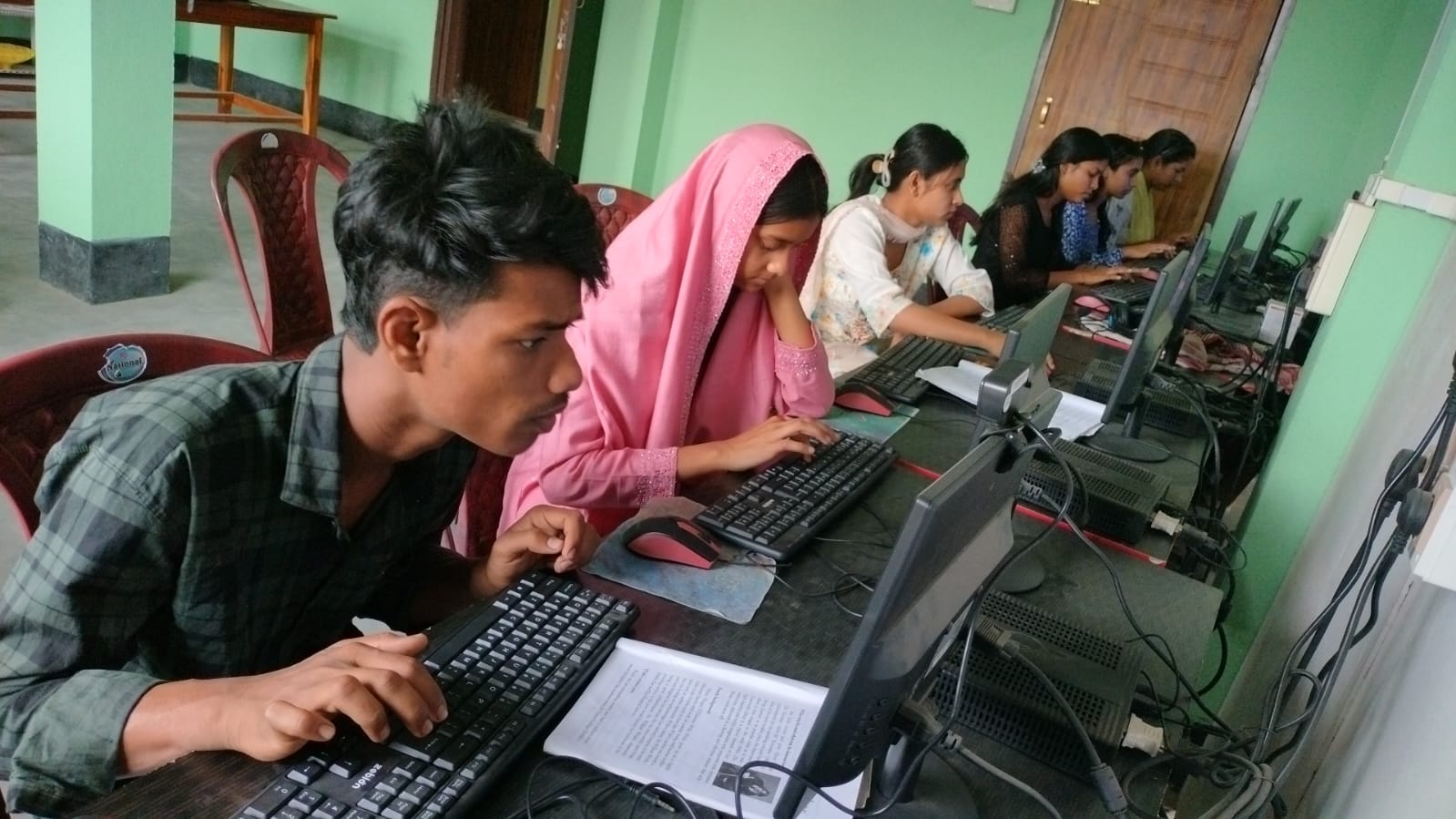
- When do they seem most alert?
- When do they need the least help?
- When do they finish homework fastest?
Write the patterns down and a trend will appear, perhaps between 4 and 6 PM or 7 to 9 AM. That is their peak window, so protect it: no phone, no TV, no distractions. For age-appropriate amounts, read about study hours for different grade levels.
What study environment helps at peak hours?
The right environment matters as much as the right time. A child studying at the perfect hour in a noisy room with a buzzing phone will still struggle.
Set up a dedicated study space with a desk, a chair and good lighting, keep phones away and close extra browser tabs. A dedicated educational device helps too. Apna PC, for example, comes with focused learning tools and parental monitoring through Apni Prerna. Learn more about focused, distraction-free learning.
How do you build a study routine that sticks?
Once you know the best time, keep it the same every day: same time, same place. After a few weeks, your child will tend to settle into study mode at that hour.
Consistency matters more than intensity. Thirty minutes at the right time beats two hours at the wrong time. For wider guidance, the Education in India overview and the Ministry of Education website are useful references.
The right tools help each session count. Apna PC costs Rs.30,000 (shipping and GST excluded).
Frequently Asked Questions
Is it bad if my child prefers studying at night?
Not necessarily. Some children are genuinely more alert in the evening. What matters is sleep: if your child studies late, bedtime must move later too so they still get 7 to 8 hours of sleep. Studying until 1 AM and waking at 6 AM undoes the benefit.
How long should I observe my child to find their best study time?
About two weeks is enough. Note when your child seems most alert, needs the least help and finishes homework fastest. Writing these patterns down makes the trend clear, whether it is early morning, late afternoon or evening, and gives you a peak window to protect.
Should siblings follow the same study schedule?
Not always. Each child has their own body clock, so one sibling may focus best in the morning and another in the evening. Where possible, let each child study in their own peak window, and keep a shared quiet time so neither disturbs the other.
The best time to study is when your child’s mind is ready. Visit Apna PC to learn more about a study computer that supports focused routines.