

Rajesh’s Daughter Scored 23/40 in Math. Here’s What Changed Everything.
Rajesh sat across from his daughter Priya’s teacher in Delhi, devastated. The half-yearly exam result was in: 23 out of 40 in mathematics. “But sir,” Rajesh asked, “how did we not see this coming? She studies every day.” The teacher sighed. “The problem isn’t effort. It’s that we only found out about her gaps when the exit ticket caught her mistakes weeks before the exam, and we ignored the signs. By then, it was too late.”
That conversation changed how Rajesh approached his daughter’s learning. He discovered something called an exit ticket, a simple but powerful formative assessment tool that teachers use to catch mistakes before an exam does. Today, Priya scores 38/40 in math. The difference? Her parents and teachers now know exactly where she struggles, every single day.
If you’re a parent in a tier-2 or tier-3 Indian city, you’ve probably felt Rajesh’s frustration. Your child studies hard, but on exam day, the results are shocking. The gap between daily homework and actual performance feels impossible to bridge. This is where exit tickets come in, and why understanding them can transform your child’s exam preparation.
What Is an Exit Ticket and Why Does It Matter?
An exit ticket isn’t a physical ticket. It’s a quick check-in tool that teachers use at the end of a lesson to see what students have actually understood. Your child answers 2-3 questions before leaving class or logging off from online learning. These aren’t graded harshly. They’re designed to show gaps in understanding right away.
Think of it like this: a mechanic doesn’t wait for your car to break down on the highway to check the engine. He runs diagnostics before you leave the garage. Exit tickets are your child’s learning diagnostics. They catch problems when there’s still time to fix them.
According to research in education in India, most students don’t get real-time feedback on their understanding. They memorise, take the exam, and then discover they’ve misunderstood concepts. Exit tickets flip this around. Your child gets feedback the same day she learns something.
- Immediate feedback: Your child knows what she doesn’t understand before forgetting the lesson.
- Teacher adjustments: Teachers see which concepts need re-teaching before moving forward.
- Parent visibility: You know exactly what to help with at home, not just “study more.”
- Confidence building: Your child practices retrieving information daily, which improves retention.
How Exit Tickets Connect to Exam Success
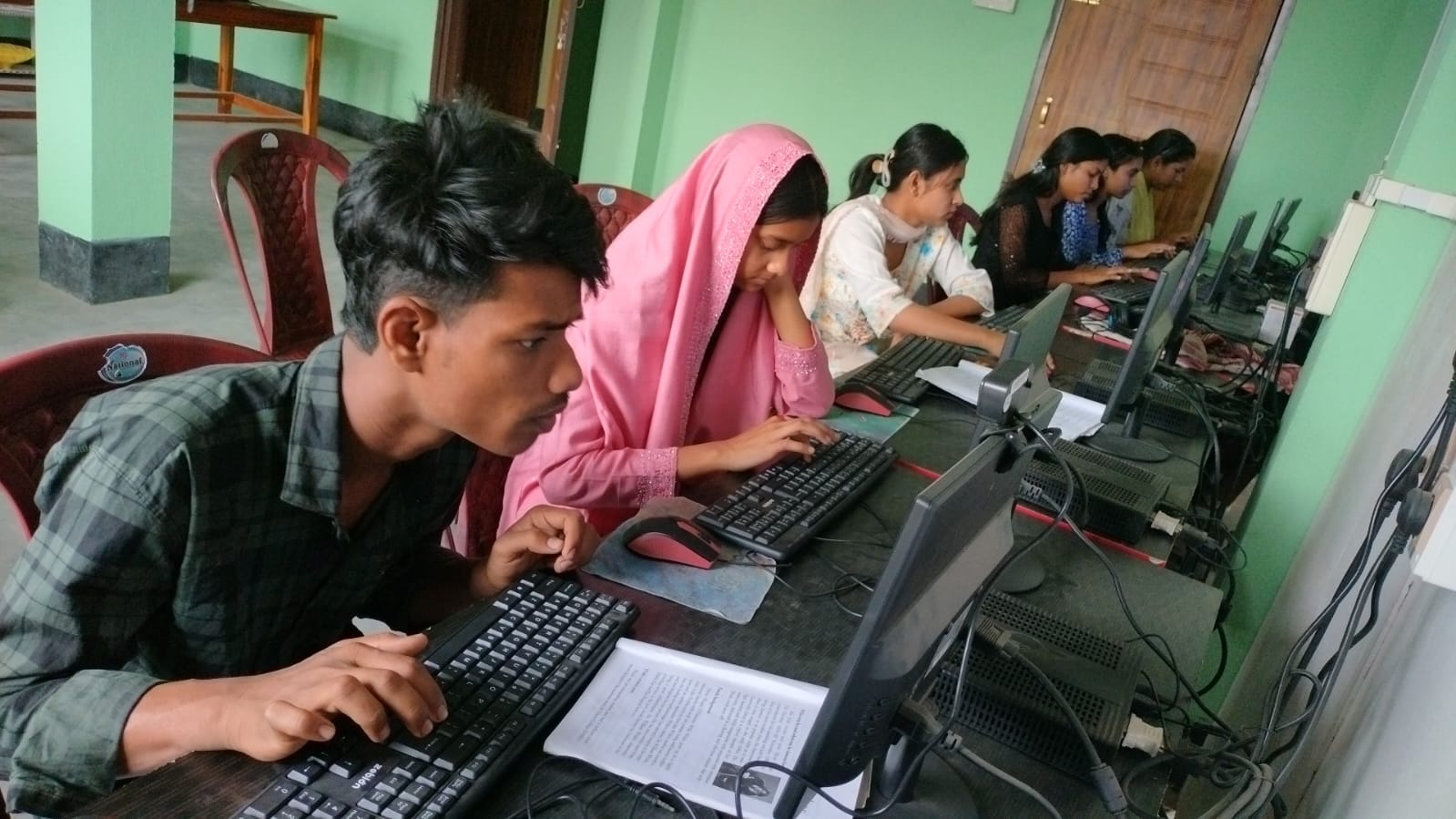
Exams aren’t about studying hard the night before. They’re about retrieving information your brain has stored and practised over weeks. This is called retrieval practice, and exit tickets are among the best ways to build it in.
When your child answers an exit ticket question, she’s retrieving what she learned that day from memory. This is harder than re-reading notes, but it’s also far more effective. Each retrieval makes the memory stronger. By exam time, your child has practised retrieving information hundreds of times.
You can support this at home too. Ask your child, “What was the trickiest question in this exit ticket?” Have her explain it to you without looking at notes. This is retrieval practice in action. The Ministry of Education now recommends this approach in schools across India.
Start your child’s exam revision early by reviewing exit ticket results weekly. Don’t wait until the exam is two weeks away. By then, fixing gaps is rushed and stressful.
What Parents Can Do Right Now
First, ask your child’s teacher if they’re using exit tickets. If not, suggest it. Many teachers in tier-2 and tier-3 cities haven’t adopted this practice yet, but it’s simple to implement. A teacher can ask three questions at the end of class and review answers in 10 minutes.
Second, request to see your child’s exit ticket results. You don’t need detailed reports. Just ask: “Which concepts did my child struggle with this week?” Then focus your home study sessions on those exact areas.
Third, practice retrieval practice at home using the same format as exit tickets. Ask your child to solve problems from memory, not by copying examples from textbooks. This builds the same skills that exams test.
Technology Can Make This Easier
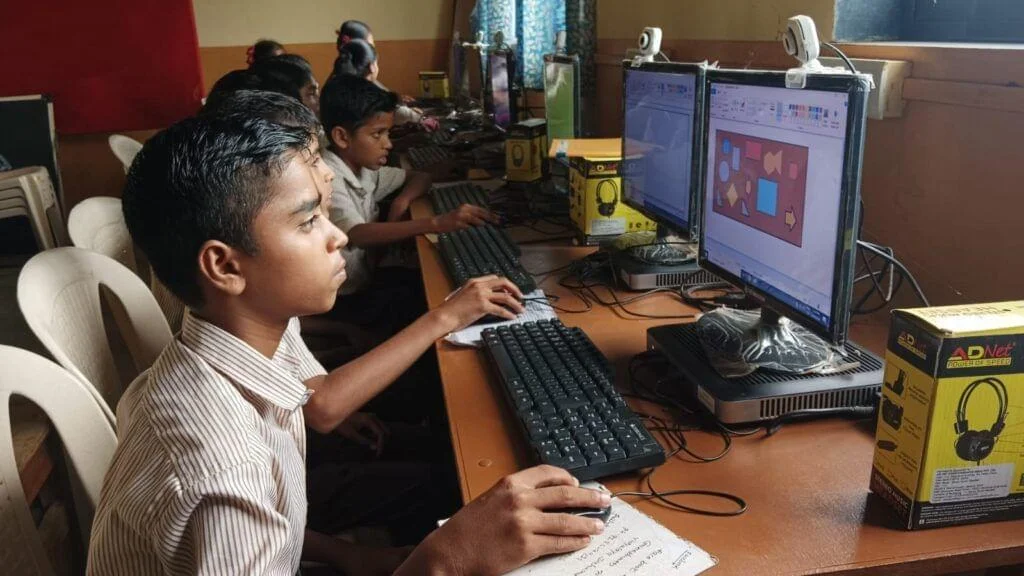
If your child’s school isn’t using exit tickets yet, you can start at home. A simple laptop or educational computer makes this possible. Your child can answer questions on screen, and you can track which topics need work.
The Apna PC is built for exactly this kind of learning. It comes with Apni Prerna, a student monitoring system that helps you see what your child is learning and where she needs support. With 8GB RAM and 128GB SSD, it runs educational software smoothly. At Rs.30,000 (shipping and GST excluded), it’s an investment in catching mistakes before exams do.
Your child can practice exit ticket-style questions on Apna PC, and you’ll see real-time progress- no more surprises on exam day.
The Real Impact: From 23 to 38
Priya’s improvement from 23/40 to 38/40 didn’t happen overnight. It happened because her parents and teachers stopped waiting for exams to reveal problems. Exit tickets became part of her daily routine. Gaps were fixed within days, not weeks.
Your child can have the same result. Exit tickets work because they’re based on how learning actually happens: daily practice, immediate feedback, and consistent retrieval of information. They’re not a shortcut. They’re the right way to prepare for exams.
Start this week. Ask your child’s teacher about exit tickets, or create simple exit ticket questions at home using Apna PC. Track the results over four weeks. You’ll see which topics your child has truly mastered and which ones still need work.
Your child’s exam success doesn’t depend on last-minute cramming. It depends on catching mistakes early and fixing them before test day. Exit tickets are how you do that. Visit apnapc.com to learn more.