


When your child finishes the syllabus early, use the extra time for structured exam revision, regular practice tests and some advanced learning. This is not downtime; it is a window to strengthen weak topics, practise under exam conditions and build confidence before board or competitive exams.
Instead of rushing through topics in the final weeks, your child can focus on mastering concepts and fixing gaps through targeted revision.
Why does exam revision matter once the syllabus is complete?
Because finishing the syllabus is only the first step. CBSE and other boards set exams that test understanding, and revision moves a student from “I’ve read this” to “I can solve any question on this topic.”
Starting structured revision early gives time to revisit difficult chapters without panic, spot gaps in understanding and clear doubts with teachers before the final push. It is also when practice tests become most valuable.
How can your child go beyond the textbook?
Early completion opens the door to advanced learning: exploring topics in more depth, solving higher-level problems or studying related subjects.
For example, a student who finishes mathematics early might explore real-world applications, attempt competitive exam questions or learn new problem-solving techniques. Advanced learning means studying smarter, not harder, with quality resources and guidance. A dedicated learning device like Apna PC gives access to online courses, educational platforms and practice materials for this deeper exploration.
Why are practice tests so important in this phase?
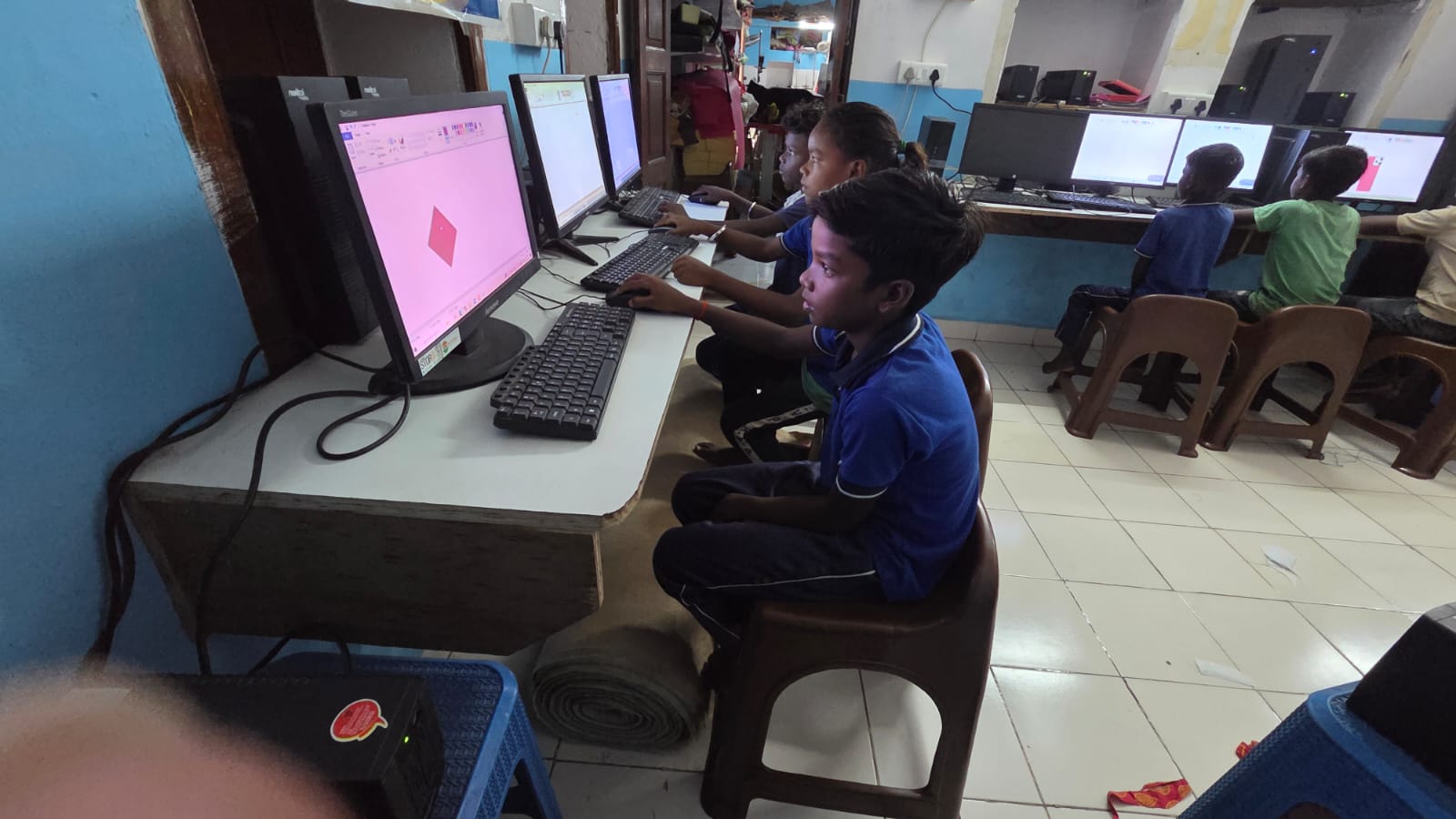
Practice tests simulate real exam conditions and show what your child knows and what they do not. Taken regularly during revision, they help your child:
- Identify weak topics and focus revision on them.
- Improve time management and answer strategy.
- Build confidence through repeated success.
- Reduce exam anxiety by getting familiar with question patterns.
Aim for 2-3 practice tests per week during the revision period, with a careful review of mistakes after each one.
What does a structured exam revision schedule look like?
Break the time into clear phases so extra time does not turn into slacking. Here is a practical approach:
| Period | Focus |
|---|---|
| Week 1-2 | Review all completed chapters and take a diagnostic test to find weak areas |
| Week 3-4 | Target weak topics with focused study and practice questions |
| Week 5-6 | Take full-length practice tests and review answers thoroughly |
| Week 7+ | Continue practice tests, refine strategies and revise important topics |
See our study hours guide for how much time to give revision at each grade level, and our tips for a revision rhythm that works.
How does a computer help with early exam revision?
A reliable computer gives your child access to online practice tests, concept videos, virtual study groups and educational apps many schools now recommend. It also keeps revision materials organised in one place.
Apna PC, priced at Rs. 30,000, is designed for Indian students and runs educational software smoothly. With a dedicated device, your child can take online tests and use examination resources without competing for family devices.
How can this time build independent learning habits?
Let your child run their own revision plan. When students manage their schedule, choose practice materials and track progress, they become more responsible and self-directed.
Encourage personal goals, such as scoring 95% on a mathematics practice test or completing 50 science practice questions. Ownership drives motivation. Read more about independent learning skills.
What mistakes should you avoid when the syllabus ends early?
The biggest mistake is treating early completion as a break. Watch for these common pitfalls:
- Assuming no further study is needed, so concepts are forgotten by exam time.
- Switching to random topics instead of systematic revision.
- Skipping practice tests and arriving unprepared for real exam conditions.
- Avoiding weak areas and revising only comfortable topics.
Frequently Asked Questions
Should my child start the next class’s syllabus early?
Only after revision and practice tests for the current exams are on track. Strengthening weak topics in the current syllabus usually helps marks more than racing ahead. Once revision is steady, a little advanced reading in favourite subjects can keep your child curious and motivated.
How do I keep my child motivated with extra time?
Set clear weekly goals together, such as a practice test score or a set number of questions, and track progress visibly. Mix revision with some interesting advanced topics, and recognise effort. A structured plan stops the extra time from turning into boredom or slacking.
Is it a problem if my child finishes the syllabus too early?
No, it is an advantage if the time is used well. The risk is only that concepts fade without revision. Keep a steady schedule of review, practice tests and work on weak areas so your child reaches the exam confident rather than rusty.
Finishing the syllabus early is a head start, not a break. To see how a study computer can support revision at home, visit Apna PC to learn more.