

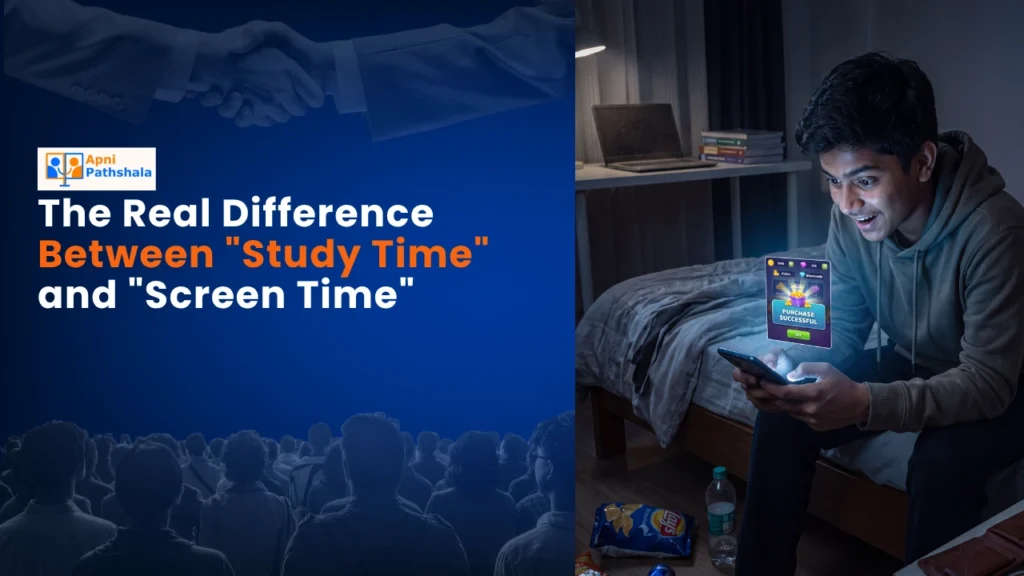
Rajesh’s Dilemma: Study Time vs Screen Time
Rajesh sits in his small flat in Indore, watching his 14-year-old son Aditya stare at a smartphone screen for three hours straight. The boy claims he’s studying, his WhatsApp status says “online,” his YouTube history shows educational videos, and his hand occasionally taps notes into a notebook. But Rajesh feels something’s wrong. His son scrolls between three apps, gets distracted by notifications, and by the end of those three hours, can’t recall what he learned. This is the confusion that millions of Indian parents face today: understanding the real difference between study time vs screen time.
You’re probably experiencing this same worry. Your child’s screen looks educational, but you’re not sure if learning is actually happening. The line between productive screen time and mindless scrolling has become so blurred that parents and students no longer know what counts as real study.
Why Study Time vs Screen Time Are Not the Same Thing
Study time is focused and intentional, producing measurable learning. When your child sits with a textbook, solves math problems on paper, or writes an essay by hand, their brain engages differently than when they’re watching a video. Study time requires active participation. Your child must think, question, and create.
Screen time, on the other hand, is passive consumption by default. Scrolling through social media, watching random videos, or clicking through websites doesn’t demand the same mental effort. Even when the content is educational, the format often allows your mind to drift. Your child might watch a 20-minute physics lesson but retain only 30% of it because they’re also checking notifications.
Here’s what makes this worse: your child can’t always tell the difference either. To them, if it’s on a screen and it’s about studies, it feels like studying. But feeling like you’re studying and actually studying are two completely different things.
The Problem With “Educational” Screen Time
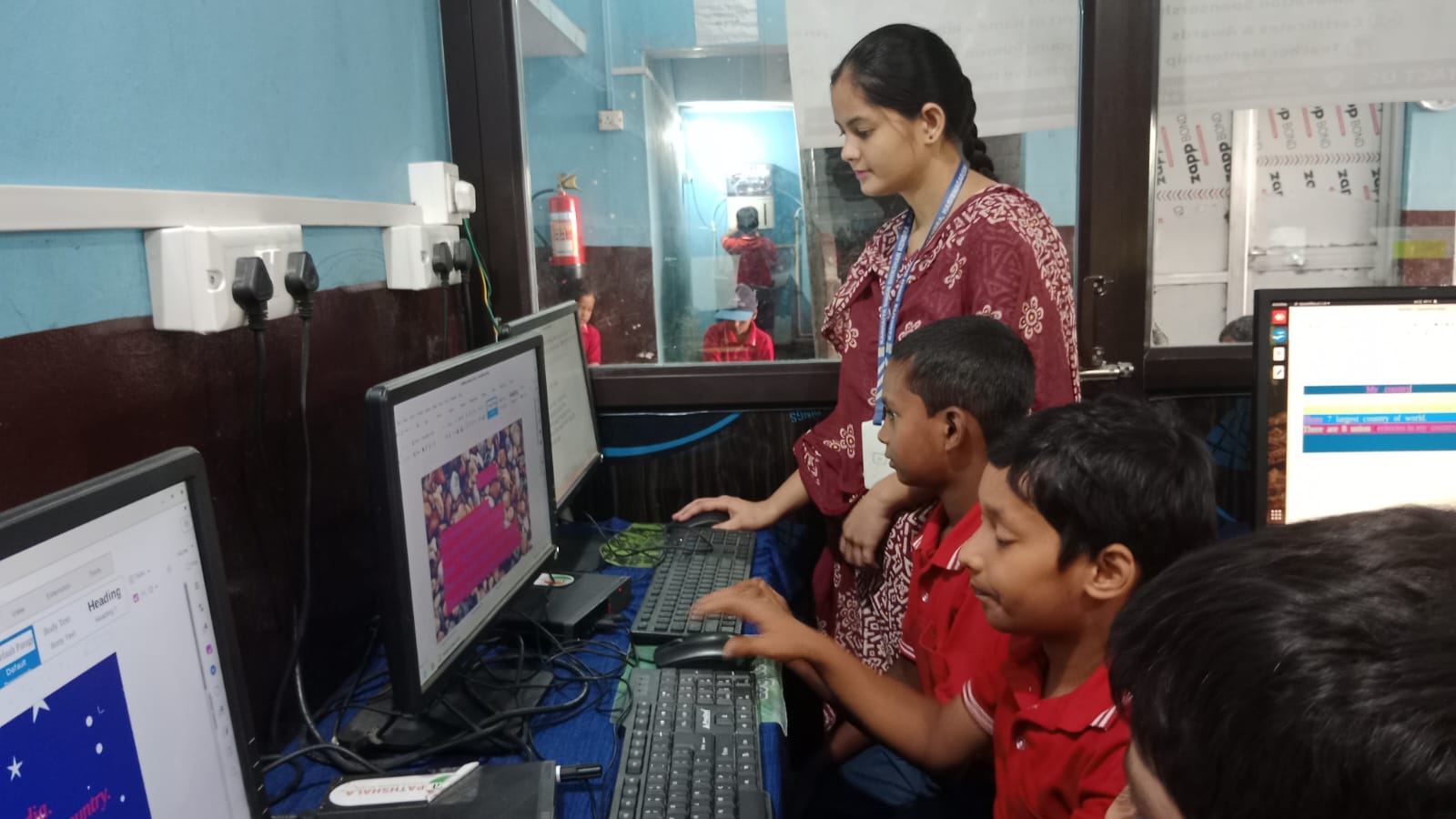
Educational content on screens is valuable, but only when used correctly. A YouTube video about algebra, an online quiz, or a digital textbook can all support learning. However, the moment your child switches to Instagram or gets distracted by notifications, that educational screen time becomes wasted time.
The issue is that screens are designed to pull your attention in multiple directions. Apps send notifications. Recommended videos pop up. Social media feeds refresh constantly. Your child’s brain is constantly choosing between the educational content and these distractions. This divided attention means less information sticks in their memory.
According to structured study schedules, focused learning sessions produce better results than fragmented screen sessions. When your child studies without screens, they’re forced to focus on one task. When they study with screens, they’re fighting against the device itself.
What Real Productive Screen Time Looks Like
Productive screen time isn’t impossible. It just requires rules. Real educational screen time happens when your child:
- Uses it for specific tasks: Watching a tutorial to understand one concept, not browsing for hours
- Turns off notifications: No WhatsApp, no Instagram, no YouTube recommendations
- Has a set time limit: 30 minutes of coding practice, not “until I feel like stopping”
- Takes notes: Writing down what they learn forces active thinking
- Follows up with offline practice: Watching a math tutorial means solving problems on paper afterwards
This is where the right tool makes all the difference. An educational PC for student free time designed specifically for learning, not entertainment, can help your child maintain focus. Apna PC comes with Apni Prerna, a student monitoring system that blocks distractions and keeps your child on track.
How Your Child’s Brain Handles Study Time vs Screen Time
When your child studies without constant digital distractions, their brain enters what scientists call “deep focus.” In this state, information moves from short-term memory to long-term memory. Your child actually remembers what they learn.
With fragmented screen time, your child’s brain stays in “shallow processing” mode. They see the information, but it doesn’t stick. This is why your child can watch a YouTube video about history and forget it within an hour, but remembers a story their teacher told in class weeks ago.
Research from India’s National Education Policy emphasises the importance of focused learning environments. The policy recognises that students need tools and spaces designed to minimise distraction, not maximise engagement through notifications and recommendations.
Building Better Student Study Habits at Home
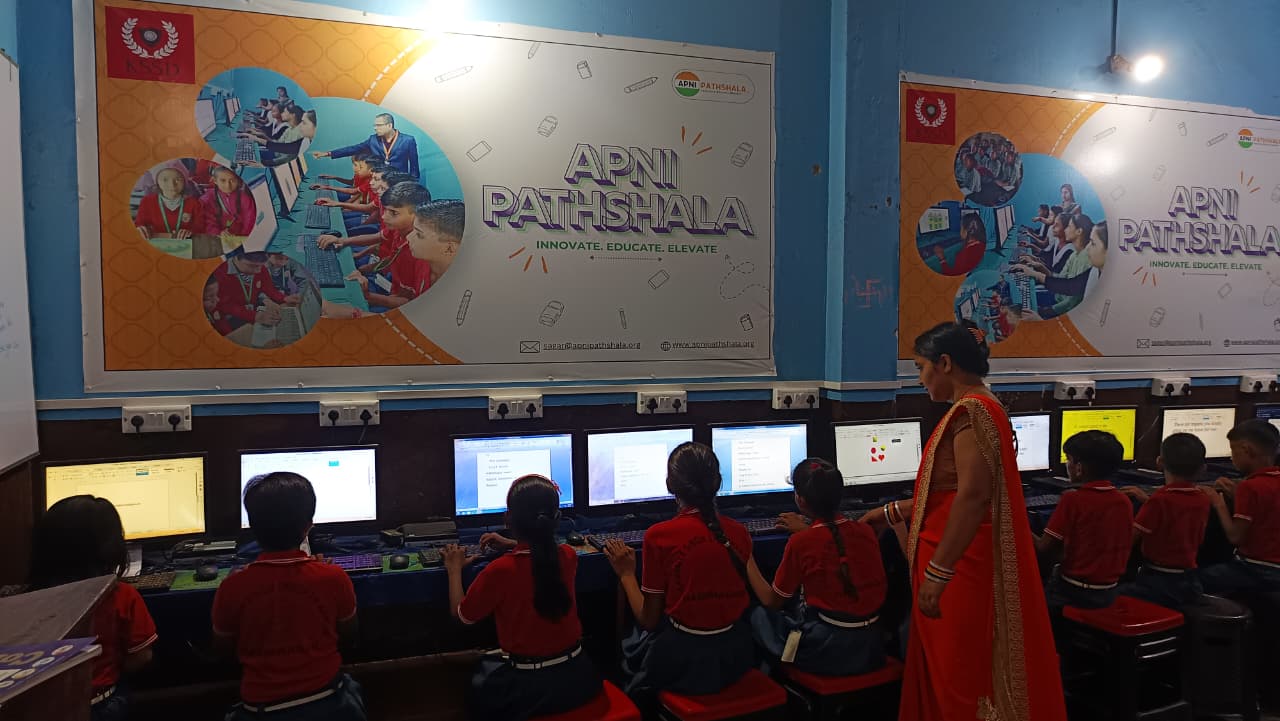
You can start making changes today, without waiting for perfect technology. First, separate study time from entertainment time. Your child’s study space should be different from where they watch videos for fun.
Second, create phone-free study zones. During study hours, smartphones stay in another room. If your child needs a computer for learning, it should be one without social media apps installed.
Third, set visible timers. When your child knows they have exactly 45 minutes to study, they focus better. Timers create urgency and structure.
Fourth, follow up screen learning with offline practice. If your child watches a coding tutorial, they should write code on paper or in an editor. If they watch a language lesson, they should speak and write afterwards.
Understanding how digital learning builds study habits helps you better guide your child. The right approach combines focused screen time with traditional study methods to build strong study habits in students.
Why Apna PC Changes the Game for Indian Families
Apna PC is built specifically for students in Tier-2 and Tier-3 cities who need quality learning tools without expensive laptops. At Rs. 30,000 (excluding shipping and GST), it’s affordable for most Indian families. More importantly, it’s designed to support study time, not distract from it.
The system comes preloaded with Zorin OS, LibreOffice for document work, and Scratch for learning to program. The 8GB RAM and 128GB SSD handle school projects smoothly. But here’s what matters most: Apni Prerna, the built-in student monitoring system, helps your child stay focused by blocking distractions during study hours.
Your child gets a computer that’s powerful enough for real learning but simple enough to avoid the entertainment trap. No unnecessary apps. No notifications pulling attention away. Just a tool designed for study time, not screen time.
The Choice Is Yours
Going back to Rajesh and Aditya: when Rajesh bought his son an educational PC with proper monitoring in place, things changed. Aditya’s three-hour “study sessions” became focused 45-minute blocks. His test scores improved. More importantly, he actually remembered what he learned.
Your family can experience the same shift. The difference between study time and screen time isn’t complicated. It’s about intention, focus, and the right tools. You can help your child build real study habits starting today. Visit apnapc.com to learn more.