

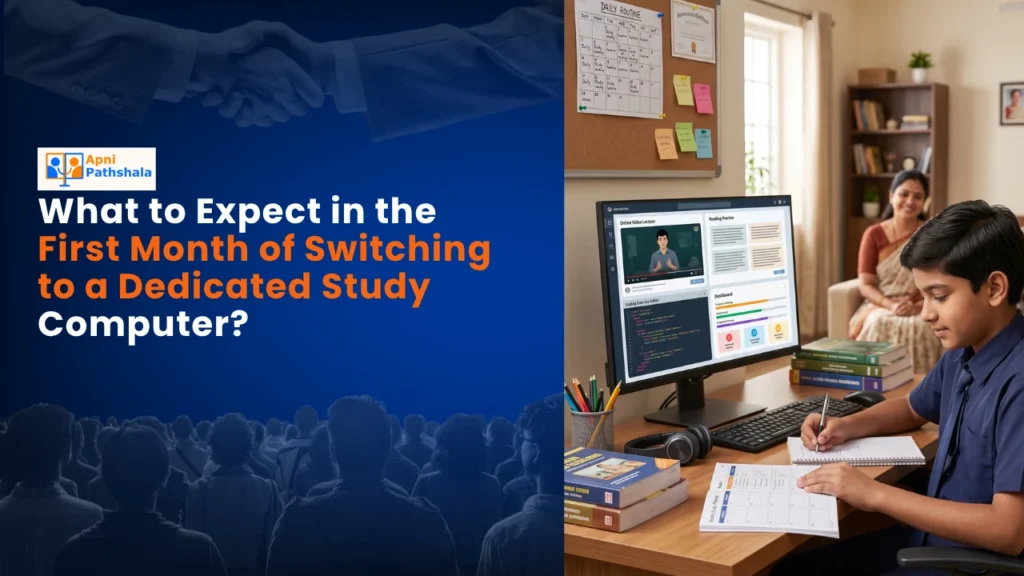
Rahul’s First Week: When a Study Computer Changed Everything
Rahul’s mother, Priya, sat across from her son’s desk in their Indore home, watching him struggle through his Class 10 math homework on a shared family laptop. The screen kept freezing. His younger sister needed it for her online class in 15 minutes. His father’s work emails were piling up. Priya felt that familiar knot in her stomach, the one that told her something had to change. Last month, she’d heard about Apna PC, an affordable learning device designed specifically for Indian students. She took the leap and ordered one at Rs.30,000. Today, three weeks later, Rahul’s grades have improved, and her family’s stress has dropped dramatically. This is what you can expect when you switch to a dedicated study computer.
What Your First Week with a Study Computer Looks Like
Your first days with a dedicated learning machine will feel different. The Apna PC comes pre-loaded with Zorin OS, a clean, distraction-free operating system that looks nothing like Windows. Your child might feel confused at first. That’s normal and actually a good thing.
What you’ll notice immediately is speed. With 8GB RAM and 128GB SSD, the device boots up in seconds. No more waiting. No more frustration. Your student can start studying within moments of sitting down.
The pre-loaded apps make a real difference from day one. LibreOffice lets your child write essays and create presentations. Scratch introduces coding basics without any setup hassle. Apni Prerna, the student monitoring tool, helps you track study time and app usage without being intrusive.
In Week One, expect your child to spend 20-30 minutes just exploring. They’ll ask questions. They’ll click around. This exploration period is valuable. It builds familiarity and confidence.
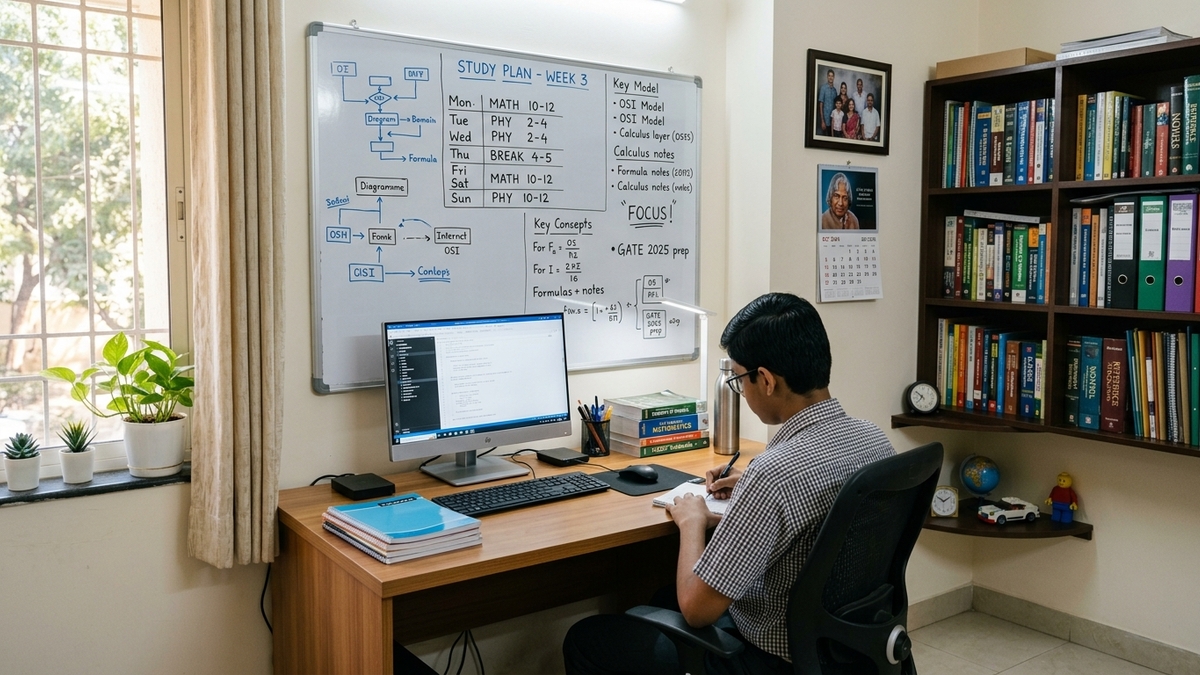
Week Two: Building the Study Routine
By the second week, your student’s excitement settles into routine. This is when real productivity begins. The dedicated learning device sends a psychological signal to your child’s brain: this machine is for learning, not scrolling.
You’ll notice they’re spending longer on homework without getting distracted. Why? Because there’s no Instagram, no YouTube recommendations, no gaming apps calling for attention. This computer is intentionally simple. It’s built for focus, not entertainment.
This is when you should establish ground rules. Set specific study hours. Decide when breaks happen. Talk to your child about how this device is different from family tablets or phones. You’re building what educators call strong study habits with a dedicated computer.
Many parents in Tier 2 and Tier 3 cities tell us they see the biggest shift in Week Two. Their child’s focus improves. Homework gets done faster. The quality improves too.
Study Computer Benefits: Better Focus by Week Three
Three weeks in, you’ll see real change. Your student’s concentration spans lengthen. They’re not context-switching between apps. They’re not checking notifications every 30 seconds.
This is the sweet spot where a study computer improves focus at home. Your child can dive deep into a problem and stay there. Mathematics becomes less frustrating. Language assignments get more thoughtful. Project work shows better research and organisation.
The Apni Prerna monitoring tool helps you understand your child’s learning patterns. You can see which subjects they’re spending time on. You can identify if they’re struggling with certain topics. This data helps you better support them.
By Week Three, most families report that the Rs.30,000 investment feels like money well spent. They’re seeing improved grades. They’re seeing happier children who aren’t stressed about device sharing.
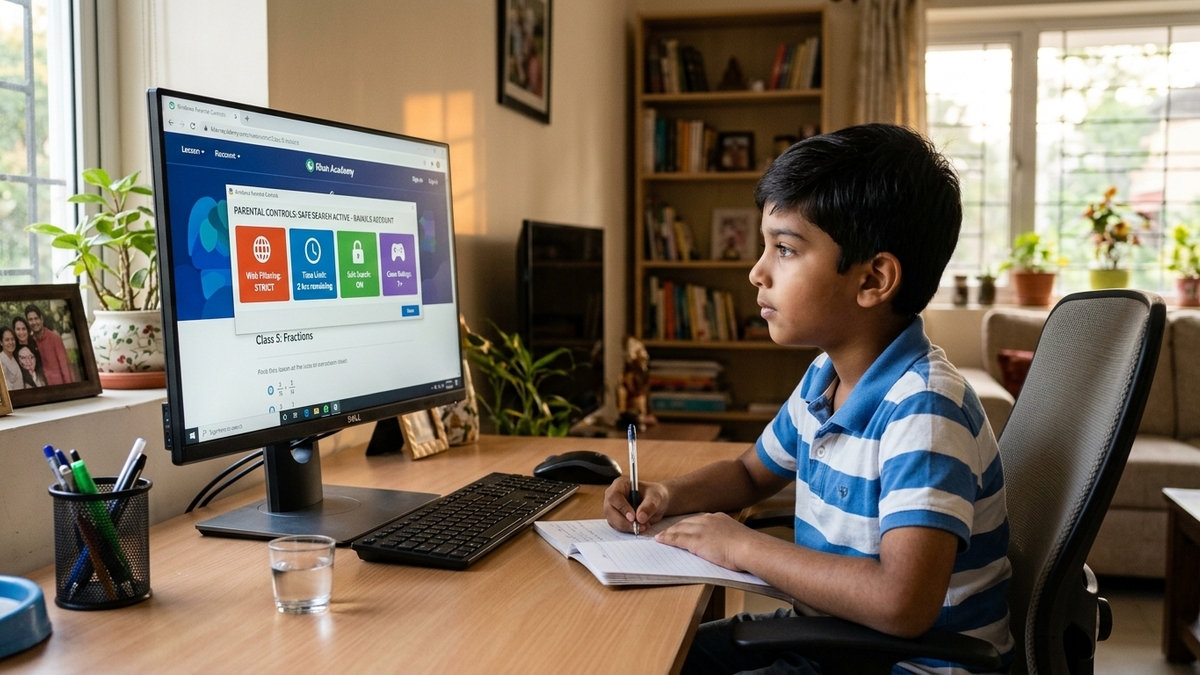
Week Four: The New Normal
A month in, your child’s study computer becomes invisible in the best way. It’s just there, ready to work. No drama. No distractions. Just learning.
You’ll notice your family’s overall stress decreases. No more arguments about who needs the laptop. No more interrupted work due to someone needing the device. Your child has a tool built for their specific needs.
The pre-loaded software keeps working smoothly. Zorin OS runs efficiently on the hardware. Your child isn’t waiting for apps to load. They’re not dealing with crashes during important assignments.
This is also when you might explore Scratch more deeply for coding projects. Or use LibreOffice for more complex presentations. The machine grows with your child’s needs.
What Parents Should Know Going In
- It’s not a gaming device. That’s the point. Your child won’t feel tempted to game during study time because this computer isn’t built for that.
- The learning curve is short. Most students adapt to Zorin OS within days. It’s actually simpler than Windows for study purposes.
- You’ll need to set boundaries. A dedicated learning device enables focus, but you still need to establish when it’s study time and when it’s not.
- The quality is reliable. With 8GB RAM and 128GB SSD, you’re getting a device built to last through your child’s school years.
Many families in India are discovering what you’ll discover in your first month: a dedicated study computer isn’t just another gadget. It’s a shift in how your child approaches learning. It removes friction. It builds confidence. It creates space for real focus.
Your first month will show you why personal computers and learning go hand in hand when thoughtfully designed. India’s Digital India initiative recognises this truth: every student deserves access to quality learning technology.
Your child’s first month with a study computer will likely exceed your expectations. You’ll see focus improve. You’ll see grades shift. You’ll see your child develop a healthier relationship with technology. Start this journey today and watch the difference unfold. Visit apnapc.com to learn more.