

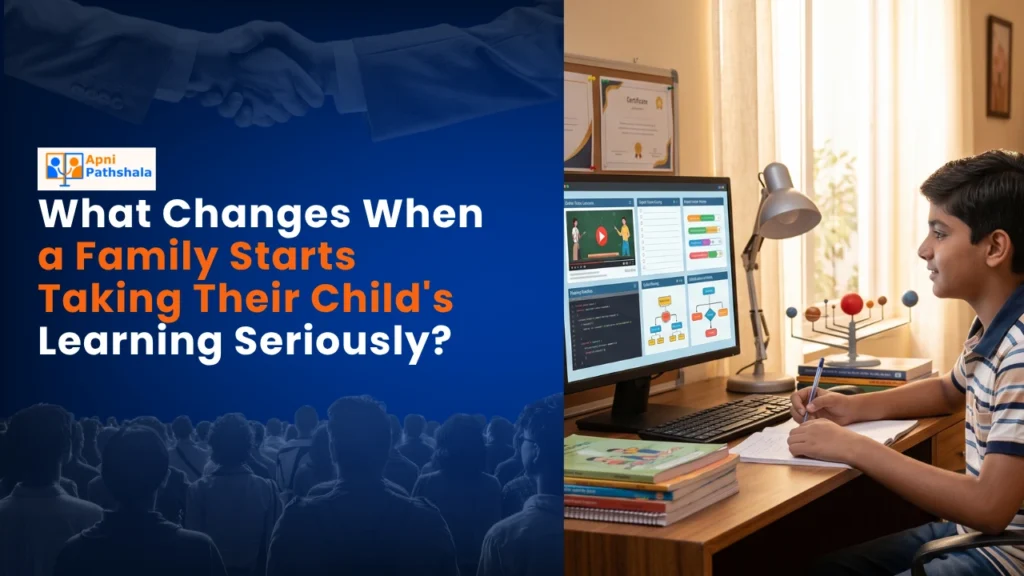
When a family starts taking a child’s learning seriously, the first change is usually practical: the child gets a reliable computer and a proper study setup, and the daily fight with slow, freezing devices ends. With the obstacles gone, children tend to sit longer, finish work on time and slowly build a real study routine.
For example, a student attending online maths classes on an old tablet that freezes and has no working keyboard may lose focus and then interest. Taking learning seriously starts with removing problems like these.
Why does the right computer for students change so much?
Because reliable tools remove daily frustration. When the computer does not freeze and the keyboard works, a child can focus on the lesson instead of the device.
Online classes on the DIKSHA digital learning platform run smoothly, and assignments get done without technical hiccups. That builds confidence: children start to believe they can manage their studies and develop a real relationship with learning.
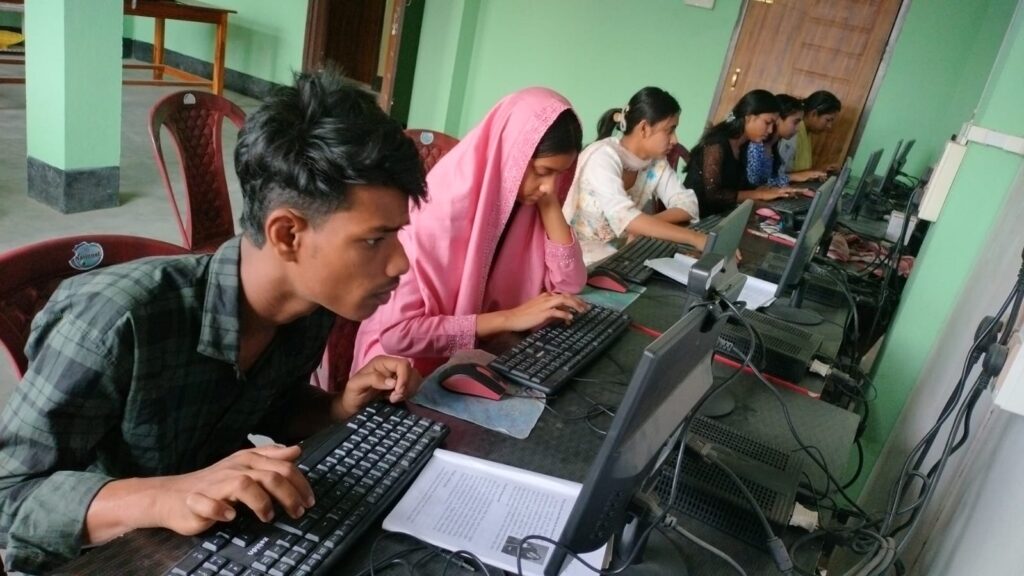
What do parents often notice in the first month?
Mostly small, steady changes in behaviour. Here is what many families see once the setup works properly:
- Better focus during online classes: no more frustration with lag and freezing screens.
- Assignments on time: no more “the computer was too slow” excuses.
- Willingness to study: when the setup is comfortable, children sit down without being forced.
- Less stress: fewer technical problems mean calmer evenings and better concentration.
The computer does not teach your child. It removes the obstacles between your child and their own learning, and marks can follow from that.
Does a good computer for students have to cost a fortune?
No. An affordable student PC like Apna PC at Rs. 30,000 is built for Indian students and comes pre-loaded with what your child needs.
Zorin OS runs smoothly and fast, LibreOffice handles document work, Scratch teaches coding and Apni Prerna lets you follow study progress without being invasive. With 8GB RAM and 128GB SSD, there is no lag during online classes or research projects. You are paying for an education tool, not gaming or entertainment features. Read how parents choose the right computer for students to see what matters most.
How does a home learning computer change study habits over time?
Over a few months, study becomes a routine rather than a battle. The child sits at a dedicated desk, follows a regular schedule and knows that when they sit down, they can actually finish their work.
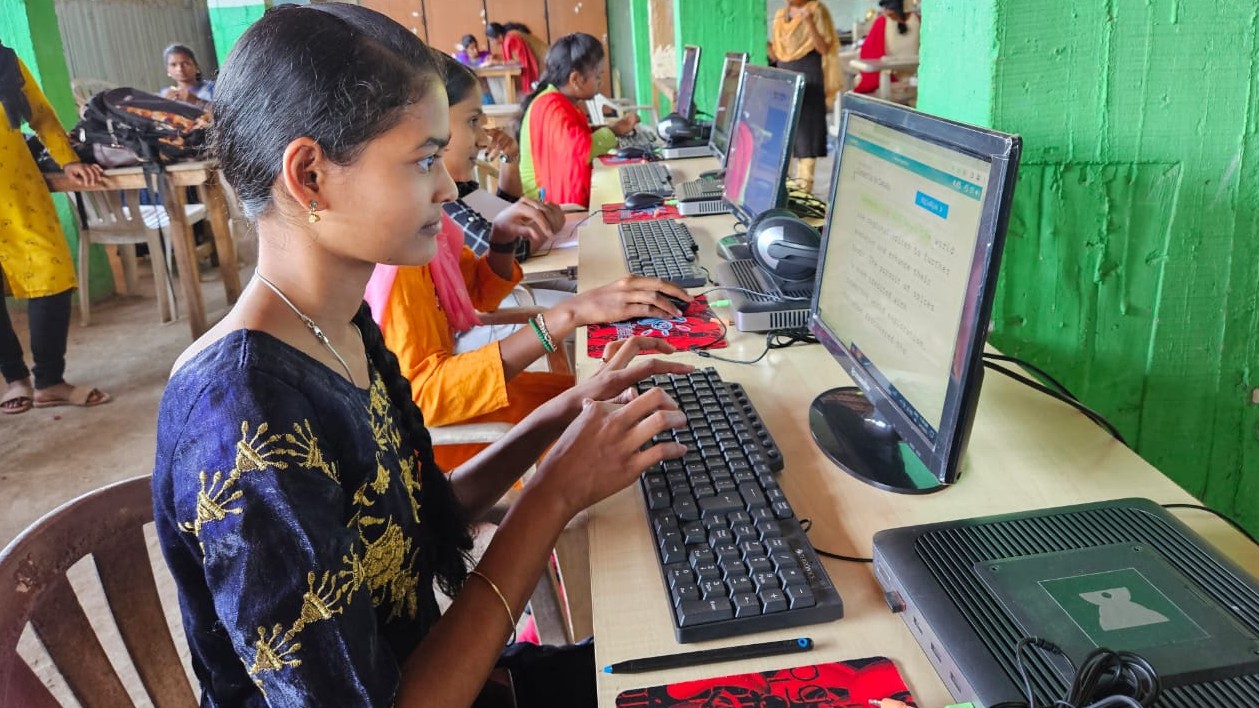
A child who once could not manage 20 minutes may gradually sit for 90 minutes without complaint, not because they are forced, but because studying now works. Read about how a home learning computer changes study habits: better tools lead to better habits, and better habits lead to better results.
The Central Board of Secondary Education (CBSE) website is a useful place to check current guidance for your child’s class.
How does taking learning seriously build confidence and independence?
Children stop seeing studying as a punishment and start seeing it as something they can do well. Some begin helping younger siblings with homework or exploring coding in Scratch on their own.
With a proper home learning computer, children can research topics, complete projects without constant help and learn problem-solving by trying things without technical barriers. Setting up a daily study routine helps lock these habits in.
Is a reliable computer for students a luxury or a necessity?
For most school students today, it is a necessity. Taking learning seriously is not about spending more on tuition or coaching; it is about removing obstacles and providing the right tools.
A student who builds good study habits now carries them into college and beyond. Your child deserves to learn without fighting with their tools, with a study setup that lets them focus on learning and growing.
Frequently Asked Questions
What is the first step to take my child’s learning more seriously?
Start by looking at what gets in the way of study at home. A slow or shared device, no fixed desk and no routine are common problems. Fix the setup first with a reliable computer and a quiet study corner, then agree on regular study times together.
How soon will I see a change in my child’s studies?
Small changes in behaviour, such as sitting down to study more willingly and finishing assignments on time, often appear first. Changes in marks usually take longer and depend on routine, effort and support at home, so focus on steady habits rather than quick results.
Is an old tablet enough for online classes?
It may work for watching a lesson, but freezing screens and no proper keyboard make note-taking, assignments and projects difficult. If the device keeps interrupting your child’s classes or homework, a proper computer with enough memory and an SSD will make studying far smoother.
The change does not require magic or expensive solutions, just the right decision at the right time. Visit Apna PC to learn more.