

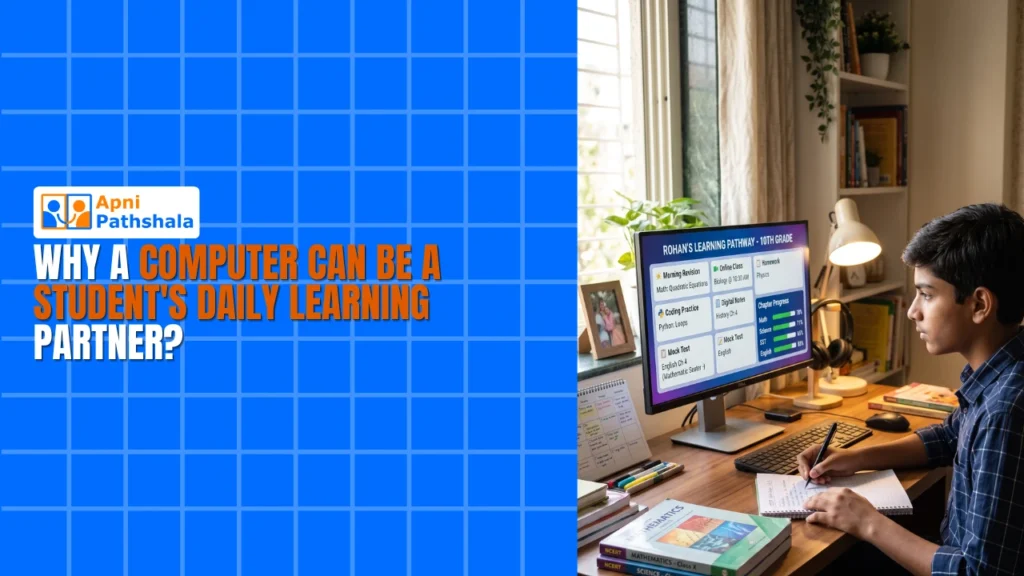
A computer can be a student’s daily learning partner because it is available whenever your child is stuck, explains topics in more than one way and never runs out of patience. Your child can pause, rewind and replay lessons as often as needed, and build the habit of finding answers on their own.
For example, a primary school child whose tutor lives far away might use a computer to watch a concept video when stuck on maths. Over time, that child starts solving problems independently.
Why does your child need a learning partner at home?
Because good help is not always nearby or affordable. Schools in Tier 2 and Tier 3 cities often lack the resources of big-city schools, and quality tutors can be expensive or unavailable.
Government initiatives bring free learning content online, but your child needs the right device to use it. A computer offers what no single teacher can: help at any hour, patience that never runs out and content in your child’s own language.
- Self-study becomes real: students work through problems, see solutions step by step and learn at their own pace.
- Confidence grows: children ask questions without fear of judgement.
- Future skills develop early: typing, research and problem-solving grow alongside schoolwork.
The Education in India overview is useful background on how unequal access to learning resources can be across the country.
How does a learning partner build independence?
It teaches your child to find answers instead of always asking you. When your child asks how to solve something and you do not know, a computer lets them search, read explanations and understand the concept themselves.
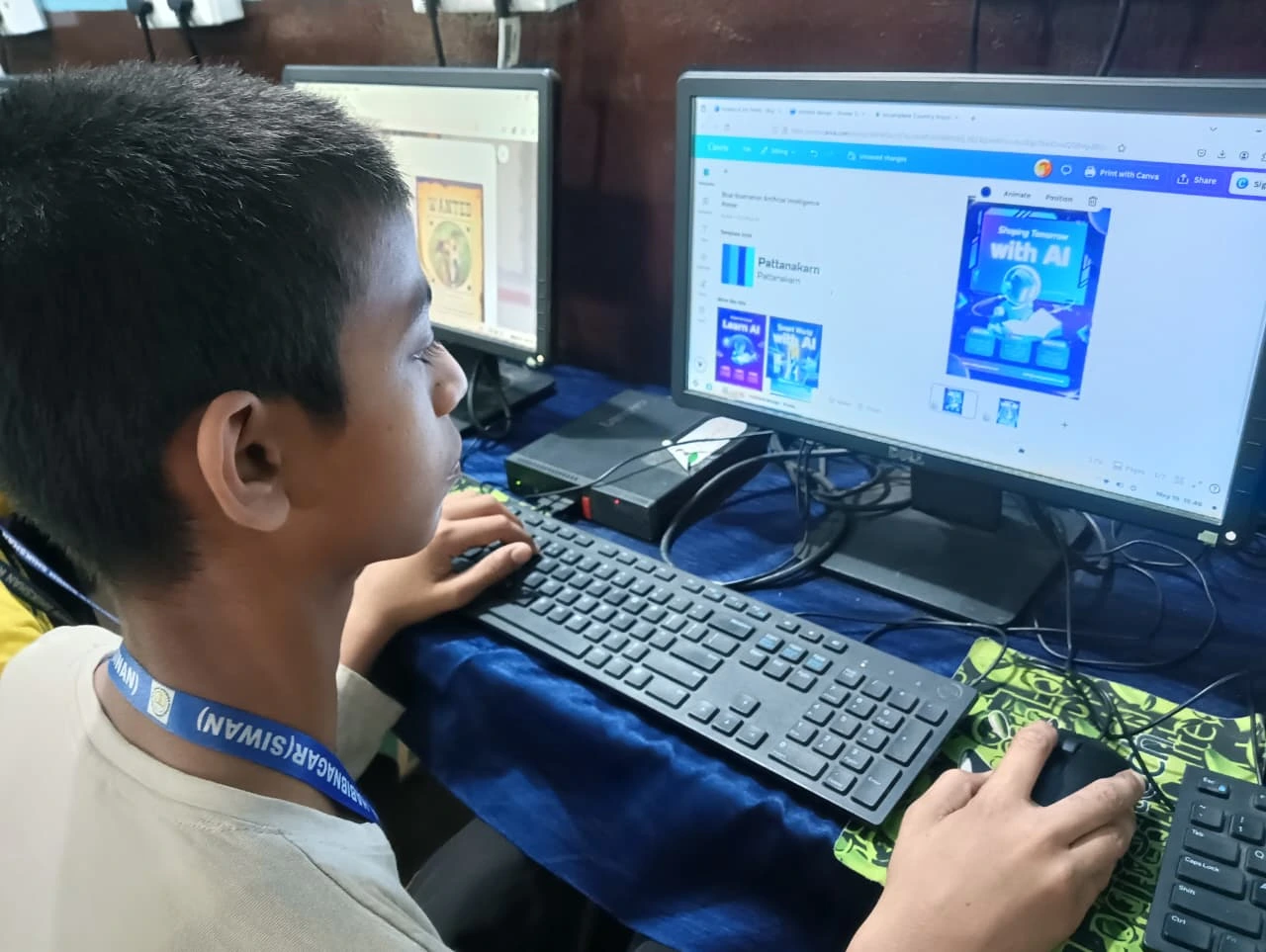
This is how real learning happens. When children struggle a little, find the answer and succeed, they remember it and feel less panic in exams. Learn more about how a computer builds academic independence.
A good student computer also lets you follow progress. Apna PC comes with Apni Prerna, which shows what your child is learning without you hovering over their shoulder. You get insight and your child gets freedom.
What tools make self-study effective?
Effective self-study needs several ways to learn the same topic. A video explains it one way, an interactive tool shows it another way, and a practice problem tests understanding.
Apna PC comes preloaded with:
- LibreOffice for creating projects and documents
- Scratch for learning to code through games
- Zorin OS, simple enough for children but strong enough for serious work
The 8GB of RAM and 128GB SSD let your child run several learning apps at once without the computer slowing down. Speed matters when a child is trying to focus on studies, not on waiting for screens to load.
How should you set up your home for digital learning?
You need a dedicated corner, not an expensive study room. Good lighting, a comfortable chair and a computer without games or unnecessary apps are enough.
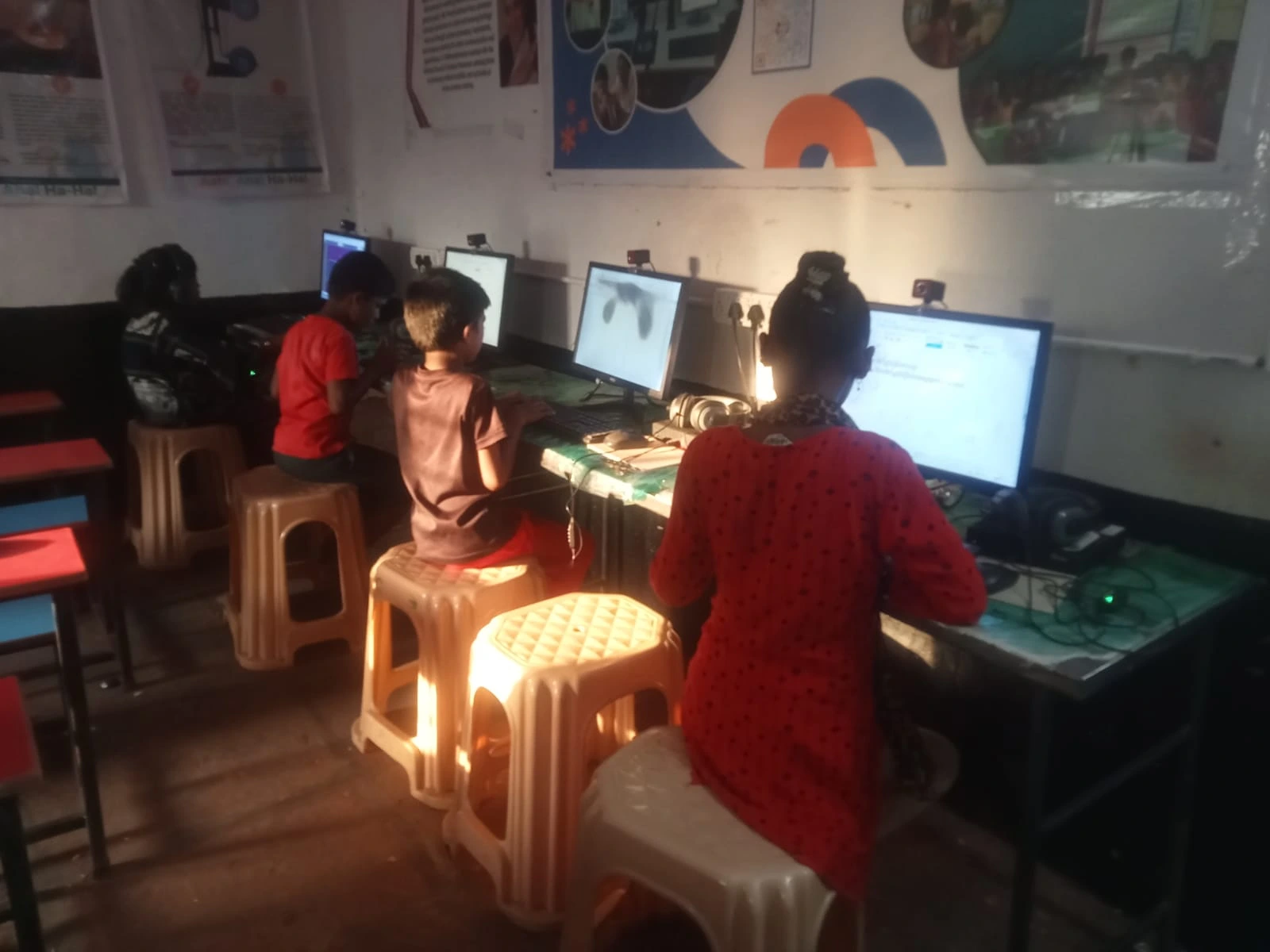
When your child sits at the computer, they should know it is time to focus, not time for YouTube or social media. Apna PC keeps things simple and educational. A living room corner or kitchen table can become a workspace, and your child can learn while you cook nearby. Here is how to build a productive study corner at home.
How does a computer compare with the cost of coaching?
A computer is a one-time cost, while coaching is a monthly one. Coaching classes in many cities cost 3,000 to 5,000 rupees per month, a tutor can cost more, and online subscriptions add up. Families can spend 40,000 to 60,000 rupees yearly on help their child may not use consistently.
| Option | Cost as stated | Availability |
|---|---|---|
| Coaching classes | 3,000 to 5,000 rupees per month | Fixed class times |
| Apna PC | 30,000 rupees, one time | Whenever your child needs it |
Apna PC lasts for years and never charges extra for extra questions. More importantly, your child learns to be independent and becomes a problem-solver, which is worth more than any exam score. If you are weighing these options, read about getting a computer before tuition.
Why should parents act now?
Children without good digital learning tools can fall behind peers in metro cities who already have computers. That is not because those children are smarter, but because they have devices that let them explore and practise.
A computer today is a basic tool for learning, just like a notebook was 20 years ago. Apna PC is designed to be affordable, reliable and built for Indian students, so geography or budget does not have to decide your child’s potential.
Frequently Asked Questions
Can a computer replace my child’s teacher?
No. Teachers guide, motivate and correct in ways a computer cannot. A computer works best as a daily partner between classes, helping your child revise, practise and look up explanations when they are stuck, so lessons from school make more sense and stay in memory longer.
What if I cannot help my child with homework myself?
That is very common. A computer lets your child search for explanations, watch concept videos and practise problems on their own. You can stay involved by asking what they learned and checking Apni Prerna, without needing to know every answer yourself.
Will my child just watch videos instead of studying?
It depends on the setup. A computer with learning software and no games keeps the focus on study, and Apni Prerna lets you see how time is spent. Agreeing on study times together also helps your child treat computer time as focus time.
Get your child a learning partner that works as hard as they do. Visit Apna PC to learn more.