

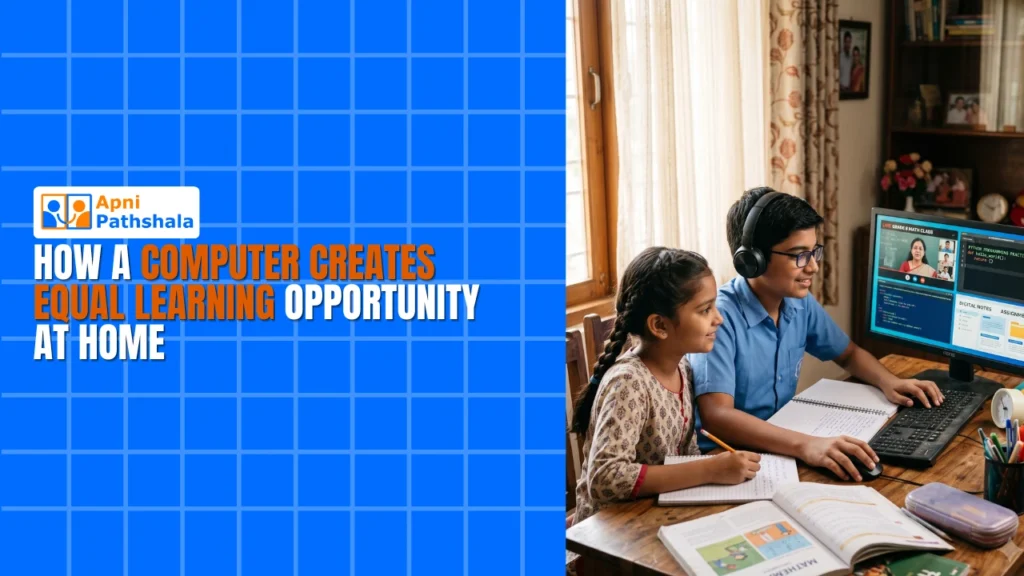
Rahul’s Story: When a Computer Changed Everything
Every parent wants a fair learning opportunity for their child. Rahul sits in his small room in Indore, staring at his older sister’s smartphone. She’s in college now, studying engineering online. Two years ago, Rahul was in the same position she is now, stuck at home during the pandemic with no computer, no laptop, nothing but a shared phone to access his classes. His teachers uploaded assignments to Google Classroom. His friends joined live sessions on Zoom. Rahul joined when he could, squinting at a 5-inch screen, his fingers too big for the keyboard. His grades dropped. His confidence dropped faster.
Today, Rahul has his own computer. Not an expensive laptop. Not a hand-me-down desktop from his uncle’s office. A real, new computer built for students like him. He’s caught up with his class. He’s even ahead in math. His mother says she sees him smile more now. This is what a real learning opportunity looks like when you’re in a Tier 2 city in India.
The Digital Learning Gap and Missed Learning Opportunity in Your City
You probably know this already. In cities like Indore, Nagpur, Lucknow, and Bhopal, thousands of students don’t have access to a computer at home. The National Sample Survey shows that computer ownership in Tier 2 and Tier 3 cities remains below 10 per cent across many regions. Your child might be one of them.
When schools went online, this gap became a crisis. Students without computers fell behind. Teachers couldn’t give personalised attention to those who were on their phones. Coding classes, digital art, online research, all of it became impossible for families without a device. Even now, with schools back to normal, the gap remains. Your child might be doing homework on a phone while classmates at better-off homes use full computers.
This isn’t about luxury anymore. It’s about survival in the education system. Bridging the digital learning gap isn’t something that happens on its own. It needs action. It needs a device. It needs your decision today.
What a Computer Actually Does for Your Child’s Learning Opportunity
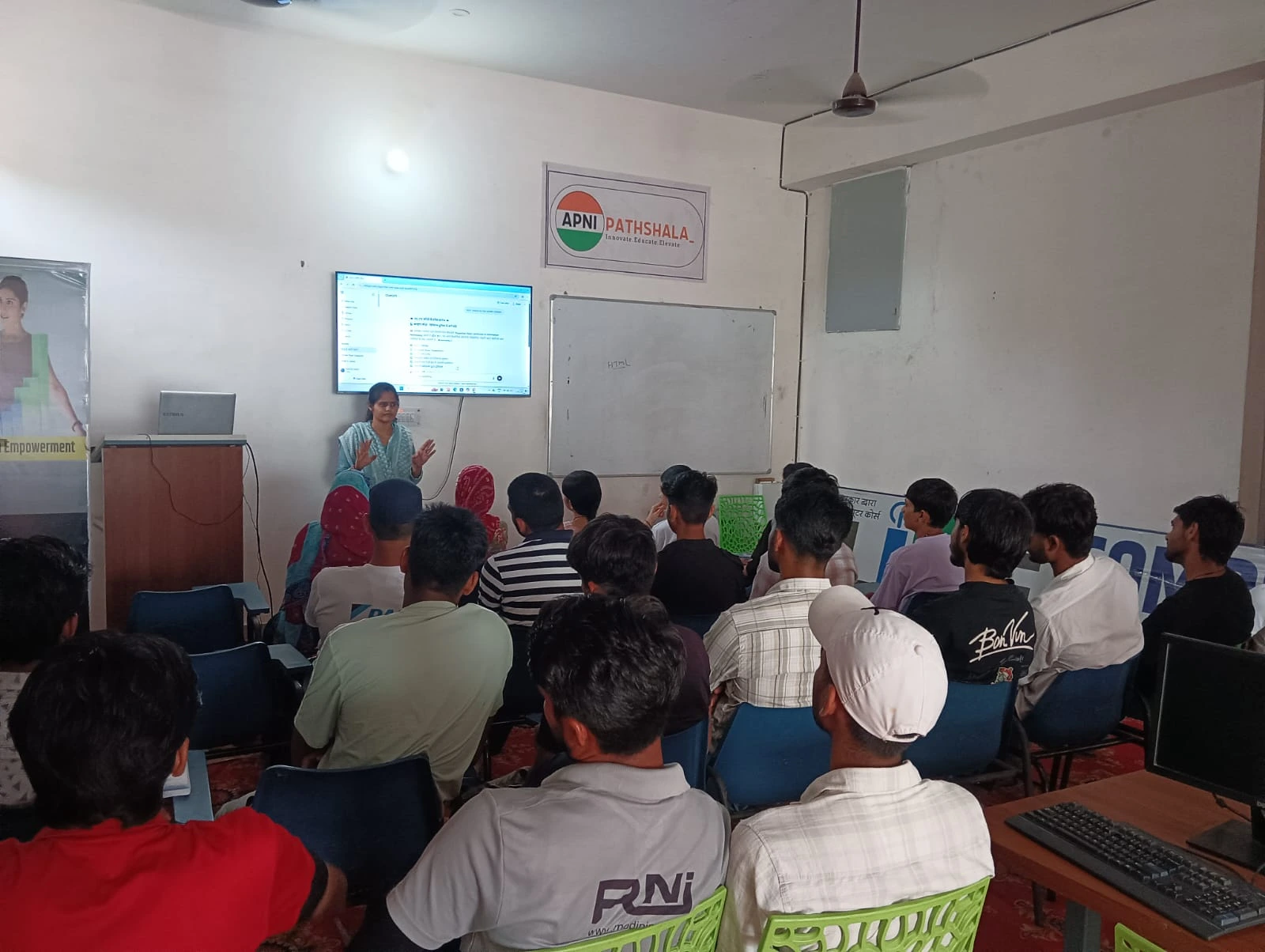
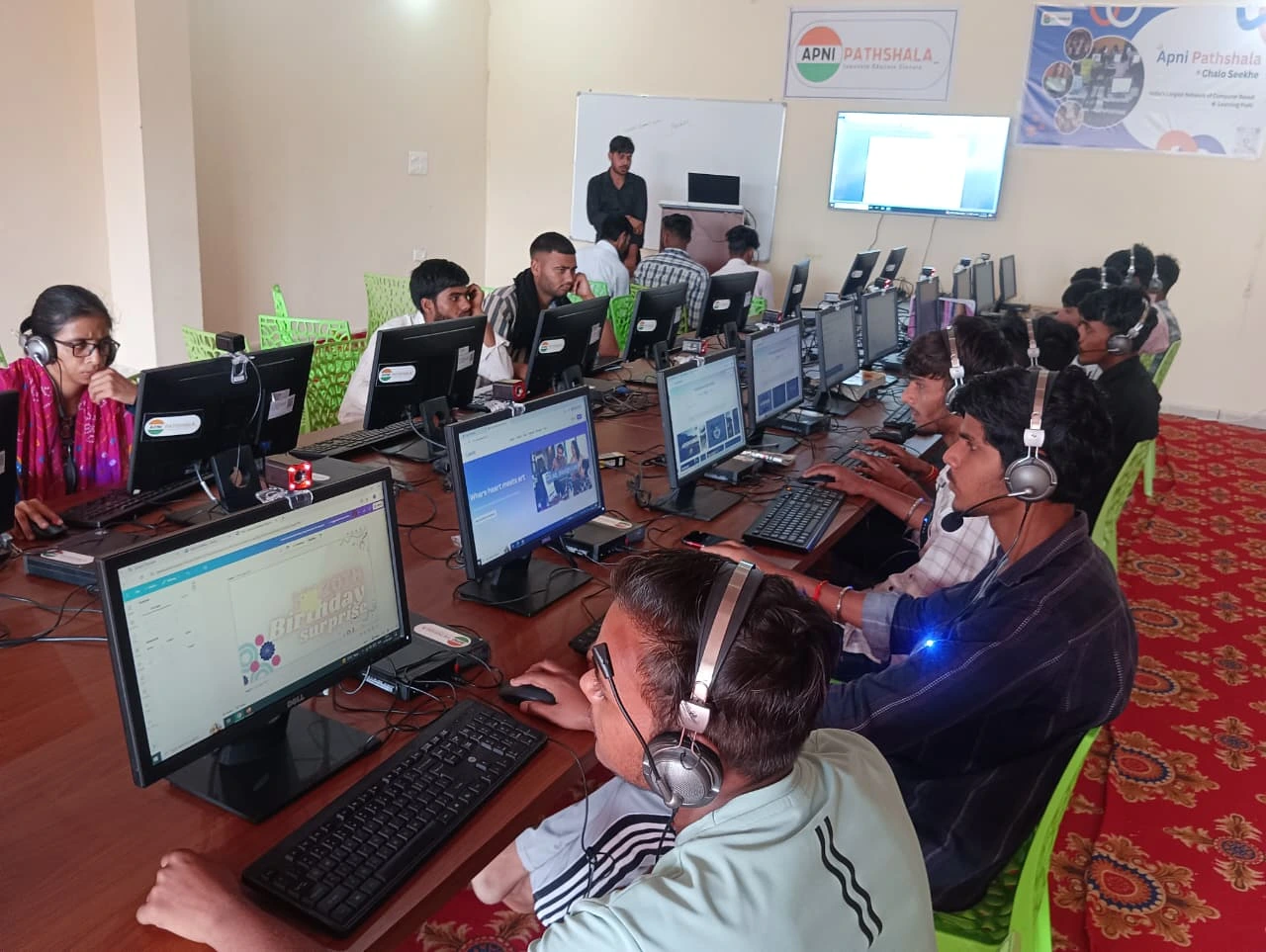
A computer isn’t just a bigger phone. It’s a different tool entirely. Your child can type faster, think better, and focus longer on a real keyboard and screen. They can open multiple tabs for research. They can write code in Scratch. They can create presentations without fumbling with tiny touchscreen keyboards.
Online education platforms work better on computers. Google Classroom loads faster. Zoom calls are smoother. Your child can take proper notes while watching a video. They can pause, rewind, and learn at their own pace. Teachers can see when they’re actually paying attention instead of guessing.
But here’s what most parents miss: a computer teaches your child independence. They don’t have to wait for you to use your phone. They can do their homework when they want to, not when you’re free. They can explore subjects that interest them without asking permission every five minutes. Every child deserves this kind of learning opportunity.
Why Apna PC is Different
You’ve probably seen cheap computers advertised online. Most of them are slow, break easily, and come with bloated software that further slows them down. Apna PC is built differently. It comes with 8GB RAM and 128GB SSD, which means it won’t slow down after a few months of use.
The operating system is Zorin OS, a clean Linux-based system designed for education and productivity. No unnecessary programs eating up your storage. No ads popping up. No confusion. Your child opens the computer and gets to work.
Pre-loaded software includes LibreOffice for writing and math, Scratch for coding, and Apni Prerna for student monitoring. You can see what your child is doing, set study goals, and track progress. The computer is built for Indian students, by Apni Pathshala, an organisation that understands your child’s needs.
At Rs. 21,000 (excluding shipping and GST), it’s not cheap. But it’s fair. It’s honest pricing for real hardware that will last your child through school and into college. Why a computer is a necessity for education, not a luxury.
The Real Cost of Not Having a Computer
Think about what your child loses without a computer:
- Coding skills: Coding is now part of the school curriculum in most boards. Without a computer, your child can’t practice. They fall behind in a skill that will matter for their future.
- Research ability: Real research means opening multiple sources, comparing information, and thinking critically. A phone can’t do this well. Your child learns to be surface-level.
- Speed in exams: Online exams are becoming normal. If your child has never typed on a real keyboard, they’ll be slow and stressed during board exams.
- Confidence: Every classmate with a computer is more confident. Your child sees this gap and internalises it. They feel left behind.
The Digital India initiative has pushed technology into schools, but homes are lagging behind. Your family shouldn’t be left out of this shift. Every student deserves equal access to education, and a computer at home is key to making that happen.
How to Start: Your Next Step
You don’t need to decide today. But you need to decide soon. Your child’s learning opportunity is shrinking every day they don’t have access to proper tools. Talk to your child about what they need. Ask their teachers what software they use. Check if your budget can stretch to Rs. 21,000 over the next few months.
Look at Education in India, and you’ll see that access to technology is now a key factor in student success. Your child deserves that access. Your family deserves to compete on equal ground with families in bigger cities.
Apna PC isn’t a luxury purchase. It’s an investment in your child’s future. It’s a decision that says you believe in their potential and you’re willing to back it up with real tools. Visit apnapc.com to learn more.