

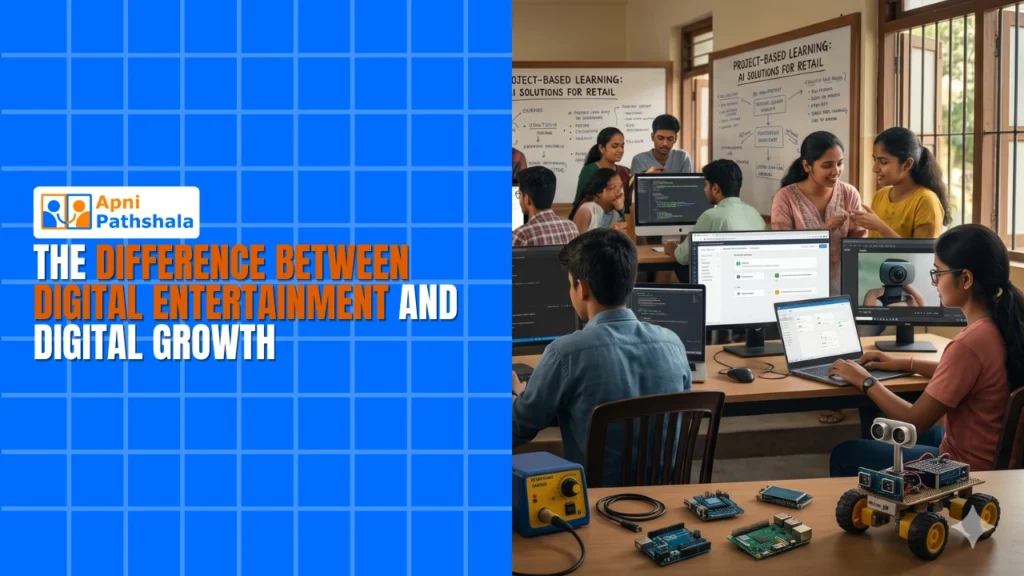
Rajesh sat across from his 12-year-old son Arjun, watching him scroll through videos for the third hour that evening. The screen glowed in the darkened room, and Rajesh felt that familiar knot in his stomach. Was this really what he wanted for his son? Yet he also remembered how Arjun had learned coding basics from YouTube last month, and how that same screen had helped him score better in mathematics through online tutorials. The question was not about the screen itself. It was about what happened on that screen. This is where digital wellbeing comes in, and it is far more nuanced than simply limiting screen time.
As Indian parents, we face a unique challenge. Our children grow up in a world where digital tools are essential for education, yet we worry about the impact on their health, focus, and development. The real issue is not technology itself. It is understanding the difference between digital entertainment that drains their potential and digital growth that builds their future.
Why Digital Wellbeing Is Not Just About Screen Time?
Most parents think about digital wellbeing in terms of hours. If my child uses screens for two hours, that is good. Four hours, that is bad. But this thinking misses the entire point. A child watching random TikTok videos for one hour and a child learning Python programming for one hour are not in the same situation, even though the screen time is identical.
Productive screen time is about intentional use. It is about whether your child is passively consuming content or actively engaging with it. The difference shapes their brain development, their confidence, and their future opportunities. When we talk about digital wellbeing, we are really talking about making conscious choices about what happens during screen time.
Consider this: your child might spend 30 minutes on the DIKSHA digital learning platform learning about Indian history through interactive modules, or they might spend 30 minutes watching random videos. Both involve screens. Only one builds knowledge and skills.
Digital Habits for Students That Actually Work
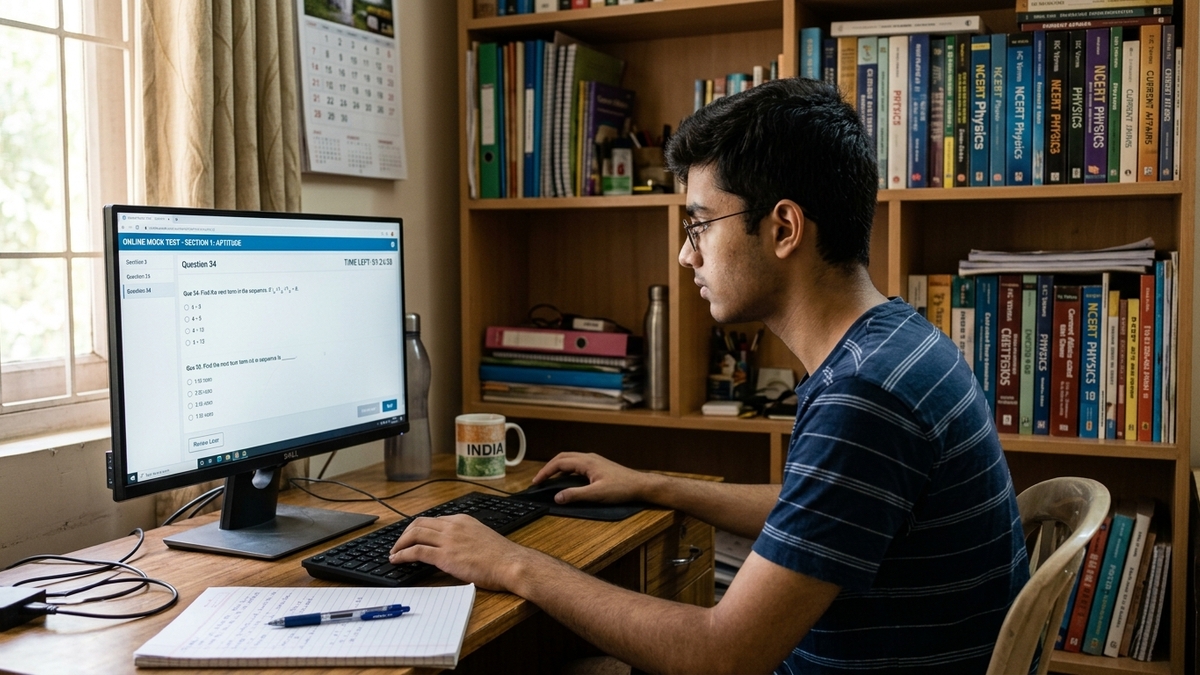
Building healthy digital habits for students requires a framework, not just restrictions. Parents in India are increasingly realizing that saying no screens simply does not work. Instead, they are asking better questions: What should my child do on screens? How can I guide them toward content that matters?
The first habit is purposeful device use. Before opening any app or website, your child should know why they are doing it. Are they researching for a school project? Learning a new skill? Connecting with friends for homework help? This simple pause creates awareness and prevents mindless scrolling.
The second habit is time-bounded sessions. Instead of unlimited access, set specific windows for different activities. One hour for learning, 30 minutes for entertainment, 20 minutes for social connection. This structure respects the need for digital engagement while protecting against excessive use.
The third habit is environmental boundaries. The device stays out of bedrooms. It is not used during meals. These are not punishments. They are guardrails that help develop a healthier relationship with technology from the beginning.
The Digital India initiative has made quality educational content more accessible than ever. Your child has access to world-class learning resources. The question is whether they are using them or just using devices.
From Entertainment to Digital Growth: A Practical Shift
Real digital wellbeing happens when you shift the conversation from how much screen time to what kind of screen time. This shift changes everything. Your child stops being a passive consumer and becomes an active learner.
Think about what your child could learn in one hour of focused digital engagement. They could complete an online course in graphic design. They could build a small website. They could learn coding fundamentals. They could research topics that genuinely interest them. They could practice a language through interactive apps. The possibilities are endless when screen time becomes a tool for growth.
This does not mean entertainment is forbidden. Balance matters. But entertainment should be a small portion of total screen time, not the main event. When your child spends most of their digital time on learning and creating, entertainment becomes a reward rather than a default escape.
One of the biggest advantages of this approach is that it naturally builds the biggest advantage a student can have in today world: the ability to learn independently and adapt to new challenges. This skill matters more than any single subject.
The Role of the Right Tools in Digital Wellbeing
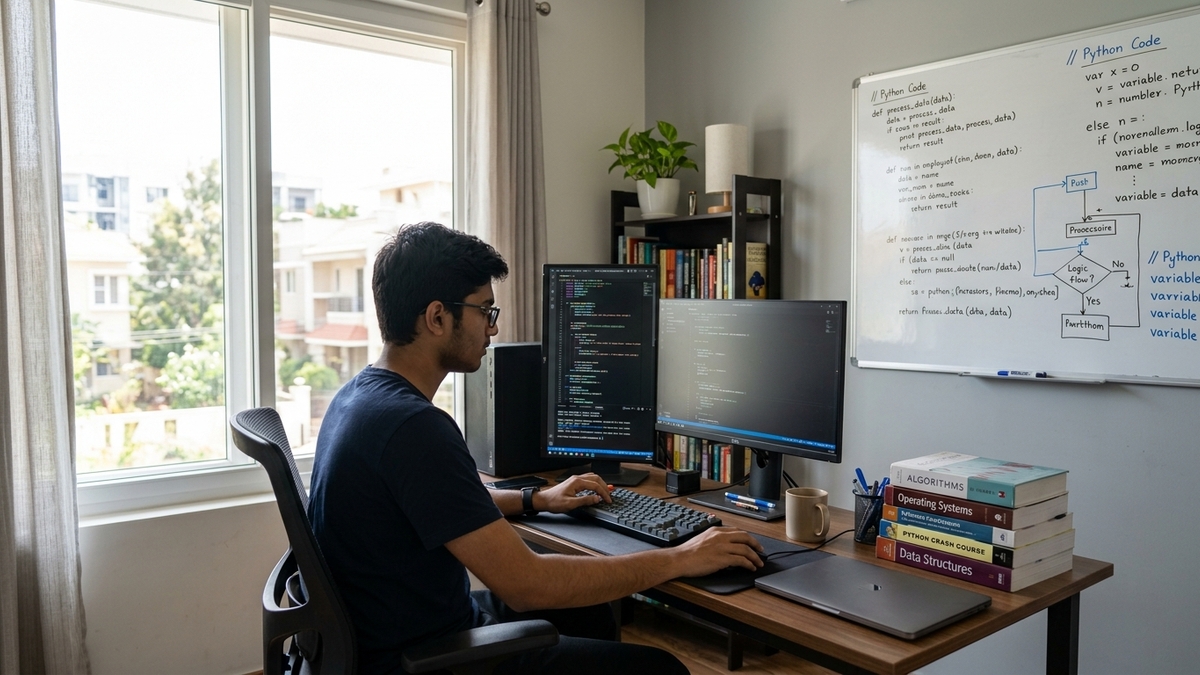
Here is something many parents overlook: the device itself influences how your child uses it. A smartphone is designed for quick, addictive engagement. A personal computer designed for learning creates a different mindset. When your child sits down at a proper workstation with a keyboard and monitor, they are in a different mental mode than when they are holding a phone.
This is why many Indian families are investing in dedicated learning devices. A proper personal computer with monitoring software allows parents to understand digital habits while giving children space to explore and learn. Tools like Apni Prerna monitoring software help parents guide without controlling, support without spying.
The Apna PC at Rs.21,000 (shipping and GST excluded) comes with exactly this balance in mind. Built by Apni Pathshala with Apni Prerna monitoring software included, it is designed for students who need to engage with digital learning seriously. The Zorin OS, 8GB RAM, and 128GB SSD provide everything needed for productive learning without the distractions of a typical consumer device.
When your child has a dedicated device for learning, something shifts psychologically. They understand this is for growth, not just entertainment. The device becomes an extension of their education, not a replacement for it.
Building Digital Wellbeing as a Family Practice
Digital wellbeing is not something you impose on your child. It is something you build together. Talk to them about why certain screen time matters and why some does not. Show them the difference between scrolling and learning. Let them experience how good it feels to build something, learn something, or create something using digital tools.
Your child is growing up in a digital world. They will use screens for work, learning, and connection. The question is not whether they should use technology. It is how to help them use it in ways that build them up rather than wear them down.
When you make this shift from limiting screen time to optimizing productive screen time, you are not fighting technology. You are harnessing it for your child growth. You are teaching them that digital tools are meant to expand their possibilities, not limit their potential.
Start by having one conversation with your child about what they want to learn or create. Then give them the space and tools to do it. Watch how their relationship with screens transforms when screens become a means to growth rather than an escape from boredom.
You can also explore how learning beyond the school curriculum becomes possible when your child has the right tools and support. Visit apnapc.com to learn more about how the right device can transform your child digital habits and unlock their potential for real learning and growth.