

A school in Pune introduced a digital learning module last year. They gave every student a tablet loaded with educational apps. Within three months, half the students had stopped using the tablets. Not because the apps were bad. Because the students were not ready. They did not know how to type. They did not know how to navigate a digital interface. They did not know how to search for information on a screen. The school gave them digital literacy tools before giving them digital readiness.
This is the mistake most Indian schools and parents make. They assume that digital literacy comes first. Teach a child to use an app, and they will learn. But digital readiness comes before digital literacy. A child who is unprepared for digital tools will gain no benefit from digital education. They will become frustrated, give up, and conclude that technology is not for them.
Digital readiness is not about knowing which button to click. It is about having the foundational skills and confidence to interact with a computer. Without readiness, literacy programs are a wasted investment.
What Digital Readiness Actually Means?
Digital readiness is the set of basic skills that make a child comfortable with a computer before they start learning specific applications. It includes typing without looking at the keyboard. It includes understanding how files and folders work. It includes knowing how to open an application, navigate a menu, and close a program properly.
These skills sound basic. But millions of Indian students do not have them. They have never used a keyboard. They have never organized files. They have never navigated a desktop interface. When they encounter a digital learning platform, they spend more time figuring out how to use the tool than learning the content.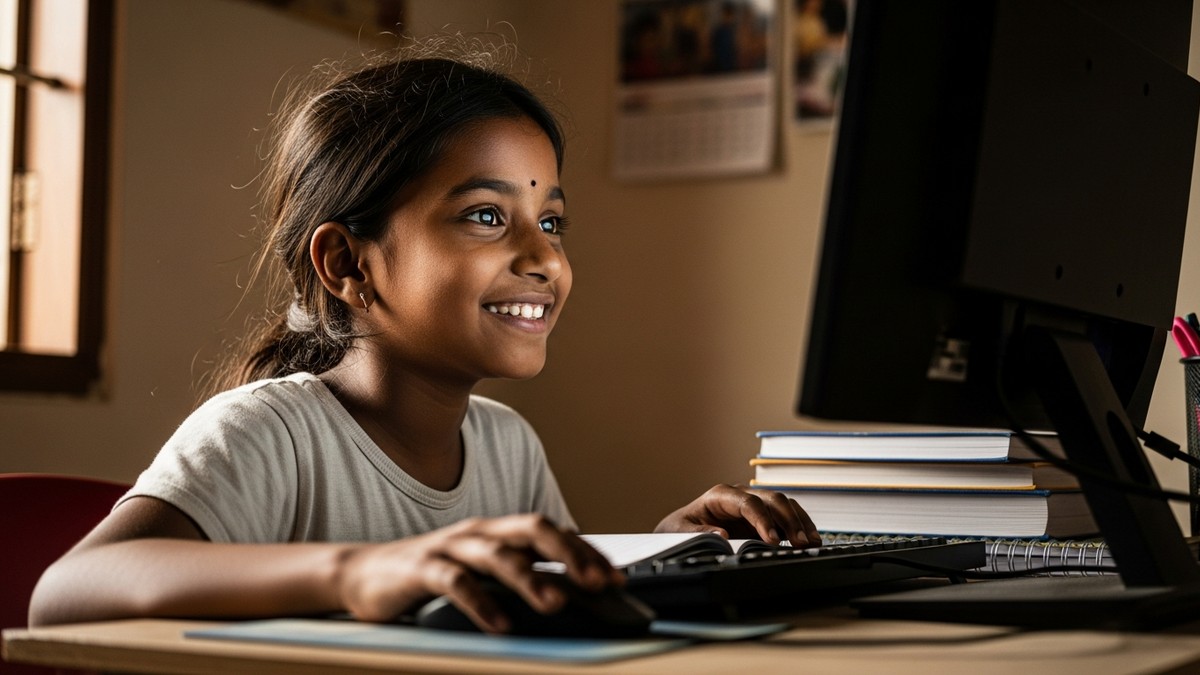
Digital literacy assumes readiness. It assumes the student can type, navigate, and search. When that assumption is wrong, the literacy program fails. The student blames themselves. The teacher blames the technology. Nobody realizes that the problem was readiness, not literacy.
DIKSHA, India’s national digital learning platform, offers thousands of digital courses. But a student who cannot type comfortably will struggle to complete assignments. A student who does not understand file management will lose their work. The platform is ready. The student is not.
Why Must Readiness Come Before Literacy?
You do not teach a child to read before they can hold a book. You do not teach them to write before they can hold a pencil. The foundational skill comes first. The advanced skill follows.
The same logic applies to digital education. You do not teach a child to code before they can type. You do not teach them to use spreadsheets before they understand what a file is. You do not teach them to navigate an online platform before they can use a mouse confidently.
Digital skills for students build on each other. Typing is the foundation. Navigation is the second layer. Application use is the third. Creative problem-solving is the top. If the foundation is missing, everything above it is unstable.
Technology readiness is not about age. It is about exposure. A 10-year-old who has been using a computer for two years is more digitally ready than a 15-year-old who has never touched one. The younger child will pick up new applications quickly. The older child will struggle with basic navigation.
What Is Apna PC and How Does It Help Indian Students Learn Better? It gives them the foundational skills that make digital literacy possible.
How to Build Digital Readiness at Home
Building digital readiness does not require a coding bootcamp or a digital literacy course. It requires a computer and the freedom to explore.
Give a child a computer. Do not install any specific learning software yet. Let them explore the operating system. Let them open applications. Let them create folders and save files. Let them type random things in a word processor. Let them click on menus and see what happens.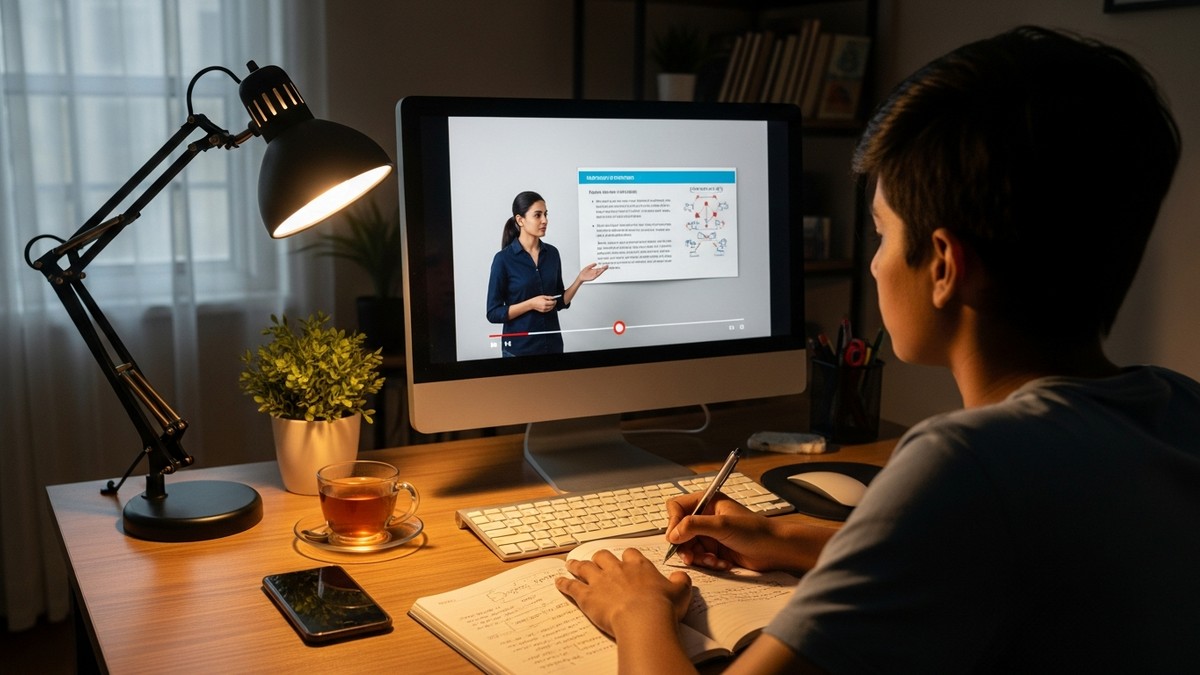
Within a week, the child will have learned more about digital navigation than any structured course could teach. They will know how to open a program, save a file, locate a document, and switch between applications. These are readiness skills. They are the foundation that digital literacy builds on.
Once the child is comfortable with the machine, then introduce specific tools. Scratch for coding. LibreOffice for documents. A browser for research. The child will pick up these tools quickly because they already have the foundational skills. They are ready.
The Biggest Advantage a Student Can Have Today. But the advantage is not just about knowing how to use a computer. It is about being ready to learn any digital tool that comes their way.
What Parents Should Do Right Now?
If your child has never used a computer, do not start with a coding course. Do not start with a digital literacy program. Start with readiness. Give them a machine and let them explore.
Apna PC, priced at ₹21,000 (shipping and GST excluded), is designed for exactly this. It comes pre-loaded with basic tools that help children build readiness before they move to advanced applications. A child sits down, opens a word processor, types their first sentence, and starts the journey from readiness to literacy.
Children who are digitally ready before they encounter digital literacy programs are the ones who benefit from those programs. The children who are not ready get frustrated and give up. Readiness is not optional. It is the foundation.
NCERT, National Council of Educational Research and Training advocates for foundational skills in education. Digital readiness is the foundational skill for the digital age. Give your child the tool to build it. Visit apnapc.com to learn more.