

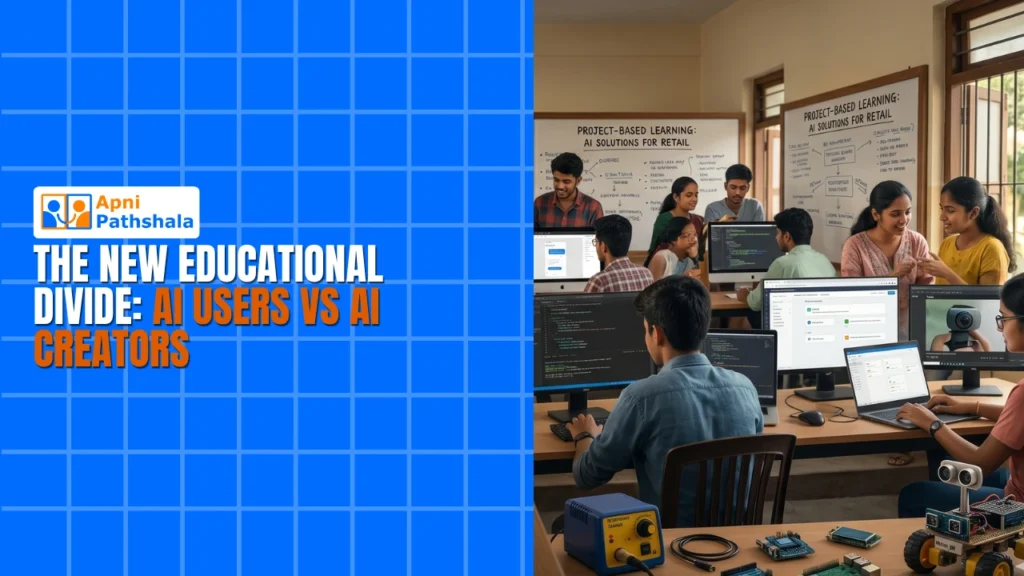
A student in Jaipur opens ChatGPT and types, “Write me a summary of Chapter 5.” In the same city, another student opens the same tool and types, “I did not understand how photosynthesis works.” Can you explain it step by step, then quiz me on it? “Both students are using AI. But only one of them is building real AI skills for students, the kind that will matter in 2030 and beyond. This is the new educational divide. And most families have not noticed it yet.
What Separates AI Users from AI Creators?
There is a quiet split happening in Indian classrooms right now. On one side, students who use AI as a shortcut to generate answers, skip thinking, and finish assignments faster. On the other side, students who use AI as a tool to learn deeper, ask better questions, and build things that did not exist before.
AI literacy is not just knowing what ChatGPT is. It means understanding how to interact with AI thoughtfully, how to verify its outputs, guide its direction, and use it to enhance your own thinking rather than replace it. A student who only uses a calculator is dependent on it. A student who understands mathematics can use the calculator to go further. The same logic applies to AI.
The ability to critically engage with AI is not taught in most schools yet. It is something curious students discover on their own, through trial, error, and asking the right questions. That experimentation is itself a skill, and it compounds over time.
According to the UNICEF India education report, millions of Indian students are still falling behind on basic digital skills. AI literacy is fast becoming the next big gap in that same story.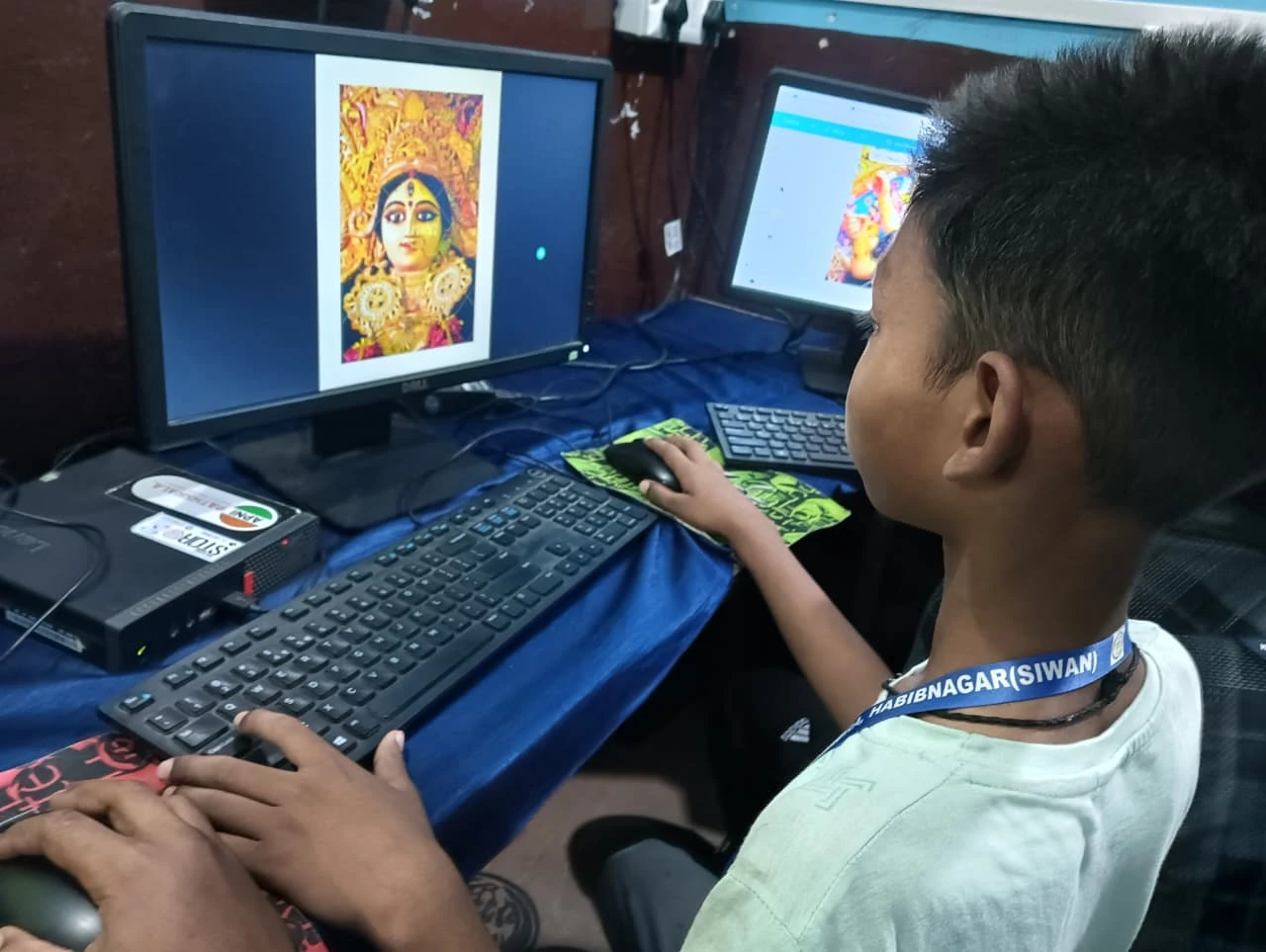
How AI Tools for Education Are Already Changing Things
AI tools for education are multiplying fast. Free platforms like Khan Academy, Google tools for students, and open AI assistants are accessible to anyone with a computer and internet. The divide is not about which tools exist, it is about how students use them.
Passive users ask AI to do the work. Active creators ask AI to help them think. A student writing an essay does not ask AI to write it, they ask AI to critique their draft, point out weak arguments, or suggest a better structure. That back-and-forth is where real learning happens.
Students who learn this approach are developing stronger reasoning, sharper writing, and the confidence to tackle open-ended problems. These are things no exam can fully measure, but every college admission officer and employer looks for.
This distinction matters because AI tools will keep improving. Students who only know how to click buttons in one tool will struggle when it changes. Students who understand how to work with AI systems will adapt quickly, because they have learned to think alongside the tool, not just follow it.
Why the Future of Learning Depends on AI Skills?
The future of learning is already shifting toward skills that AI cannot easily replace: creativity, critical thinking, and the ability to collaborate with intelligent systems. NCERT (National Council of Educational Research and Training) is already updating curriculum guidelines to include computational thinking and digital skills. AI literacy is the next step in that direction.
Students who develop AI skills early will have a real edge, not just in engineering or tech, but in every field. Doctors who understand AI tools will diagnose better. Teachers who use AI thoughtfully will reach more students. Entrepreneurs who know AI will build faster and cheaper than those who do not.
India has millions of talented students who lack only one thing: access. The National Education Policy (NEP 2020) recognizes the need for digital literacy from an early age. Students who have a computer at home can practice every day, not just when the school lab happens to be open. That daily practice is what creates a real advantage over time.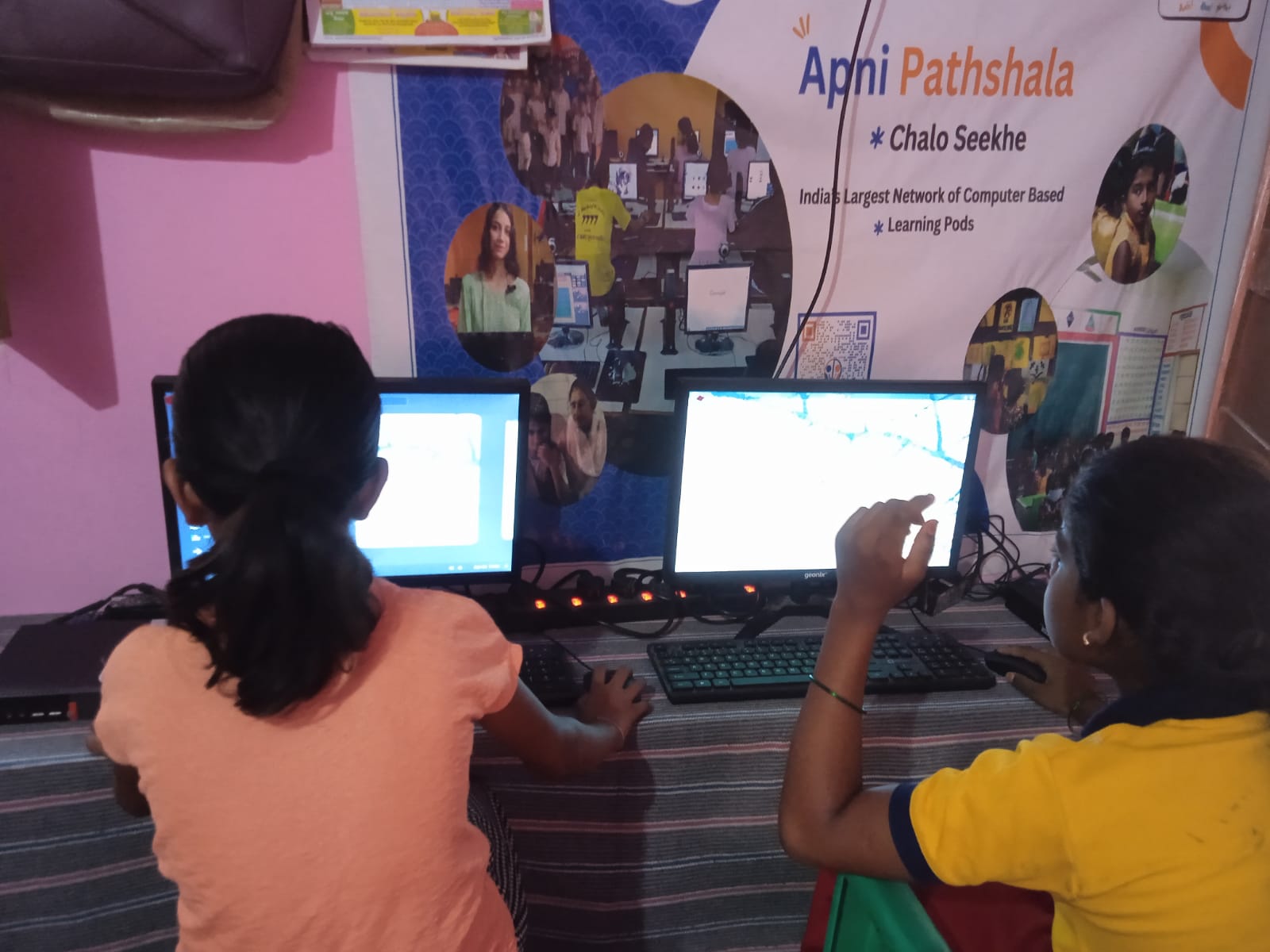
How Indian Students Can Start Building AI Skills at Home
Building AI skills does not require expensive coaching or a big-city school. It starts at home, with a personal computer, internet access, and the habit of exploring rather than just consuming. Students can begin by experimenting with free AI tools, asking “why” questions instead of “what” questions, and reflecting on what the AI gets wrong, not just what it gets right.
But before AI skills come the basics: typing well, navigating the web confidently, and using documents and spreadsheets without help. These are the foundation. Without them, AI becomes a crutch rather than a tool for growth.
Learn What Is Apna PC and how it helps Indian families give their children this foundation. You can also read about The Hidden Cost of Not Having a Computer in 2026, because access is exactly where this divide begins.
Apna PC is an affordable computer built for Indian students, starting at ₹21,000 (shipping and GST excluded). It comes ready for learning, giving every student what they need to move from passive AI user to confident AI creator.
The divide between AI users and AI creators is forming right now. The earlier a student starts building real AI skills, the bigger the lead they carry into adulthood. Visit apnapc.com to learn more.