

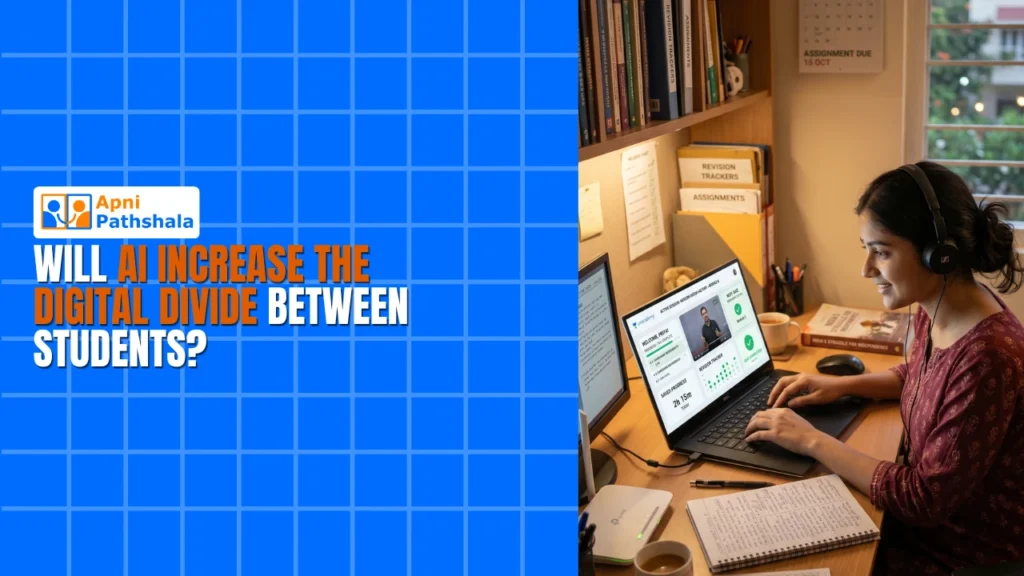
AI in education is no longer a future idea; it is happening right now. Students in well-resourced schools are already using AI tutors, smart study apps, and personalized tools that adapt to how they think and where they struggle. Meanwhile, millions of students across India still share a single phone between siblings, cannot attend online classes without interruption, and have no access to a basic computer. The question is not whether AI will improve education. The question is whether AI will improve education equally for all students or make it even more difficult to close existing gaps.
What the Digital Divide in Education Actually Looks Like?
The digital divide in education is not a new problem. For decades, students from wealthier families have had better access to tutors, books, and schools. Today, that same divide has shifted into the digital space, and AI is sharpening it faster than most people realize.
Both students may be equally motivated. Both may work equally diligently. The difference is not effort; it is the environment and the tools available within it. That difference is what the digital divide in education creates, and AI is making it more consequential than ever.
As What Is Apna PC explains, the goal was always to close this exact gap, to put a capable, affordable device into the hands of students who would otherwise be left behind by every new wave of educational technology.
How AI Learning Tools Are Changing What Students Can Do?
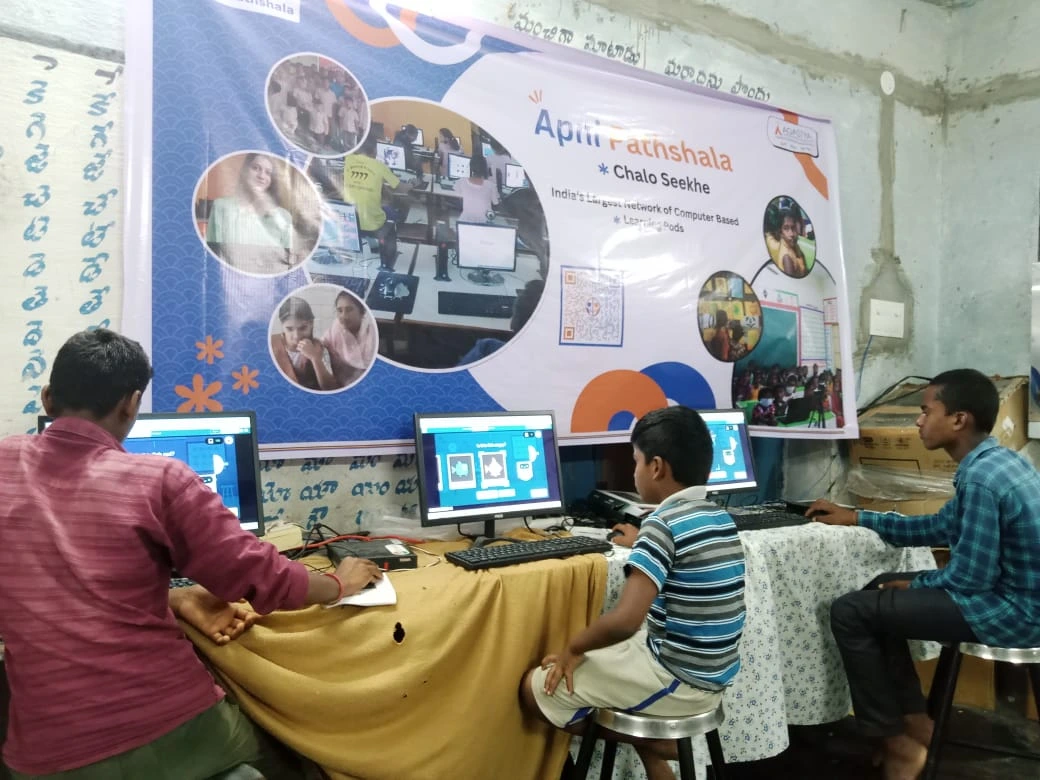
AI learning tools are genuinely powerful. Platforms built on AI can identify exactly where a student is struggling and automatically serve more practice on that topic. They can explain the same concept in five different ways until one finally connects. They can track weak areas over time and suggest what to study next, all without a teacher present.
For a student with access, such a tool is like having a patient, always-available tutor. It means faster understanding, deeper retention, and real confidence heading into exams.
But these tools require something most conversations about AI ignore: a working computer, a stable internet connection, and uninterrupted time to actually engage with what the AI presents. They require a student who is not juggling a shared device or watching battery percentages drop mid-lesson.
When access is unequal, the same tool that helps one student thrive simply does not reach another. The technology does not discriminate. The conditions of access do, however.
According to the UNICEF India education report, hundreds of millions of children in India are still in learning poverty, unable to read or understand basic texts by the age of ten. Introducing AI into education without first solving access risks making that gap wider, not smaller.
The technology gap in education is already costing students.
The technology gap in education is visible every single day in Indian homes and classrooms. Students in urban private schools use smart boards, coding platforms, and AI-assisted tools as part of regular instruction. Students in government schools and smaller towns are often still waiting for the most basic digital infrastructure.
This is not a criticism of any institution; it is a structural reality. When new tools become available, they first reach those who are already connected. Disadvantaged individuals continue to fall further behind, missing opportunities one at a time.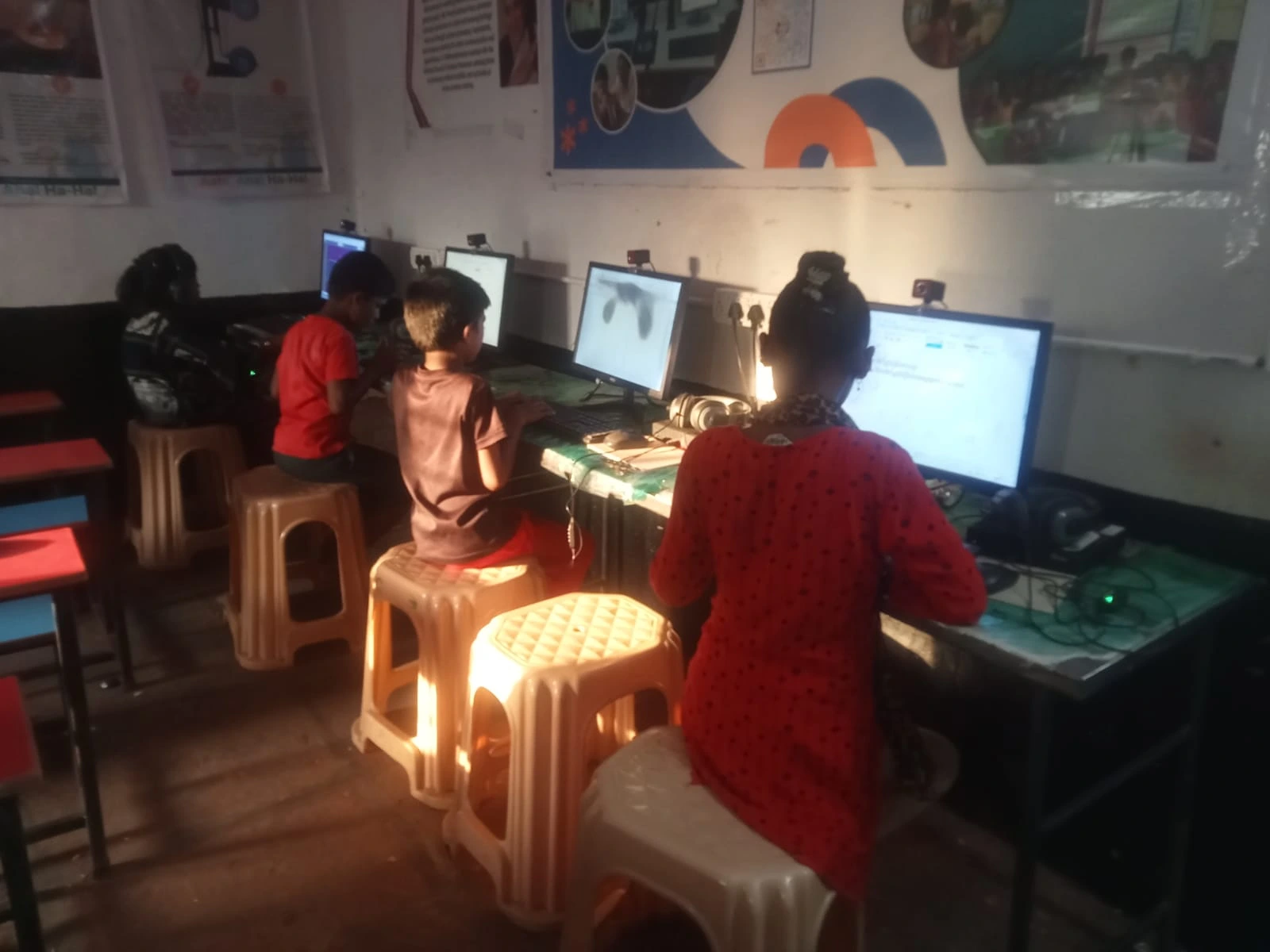
NCERT (National Council of Educational Research and Training) continues to develop curriculum-aligned digital content for Indian students at every level. These are meaningful efforts. But content alone is not enough if students lack a reliable device to access it. Reaching a platform and truly learning from it are two entirely unique things.
The students who will benefit most from AI in education are, right now, the students who already have the most advantages. If families in Tier 2 and Tier 3 cities do not gain access to basic computing tools, the technology gap will deepen due to unequal access to AI, not because AI is unfair.
The Simplest Way to Ensure Your Child Is Not Left Behind
The answer to the AI divide is not complicated. It begins with a device. A student with their computer can explore AI tools, access digital content, revise at any hour, and build the kind of self-directed learning habits that no exam can teach. A student without one cannot, regardless of how effective the tools become.
Understanding the hidden cost of not having a computer in 2026 is part of seeing the full picture. Every year without a personal device is a year a student falls further behind in marks, confidence, digital skills, and readiness for a world already being shaped by AI.
Apna PC is an affordable educational computer built specifically for Indian students, priced at ₹21,000 (shipping and GST excluded). It gives students a real foundation: a personal screen, a working keyboard, and the ability to access every digital learning tool available today, including the AI-powered ones reshaping education.
The divide will grow for students who wait. It narrows for the ones who get started. Visit apnapc.com to learn more.