

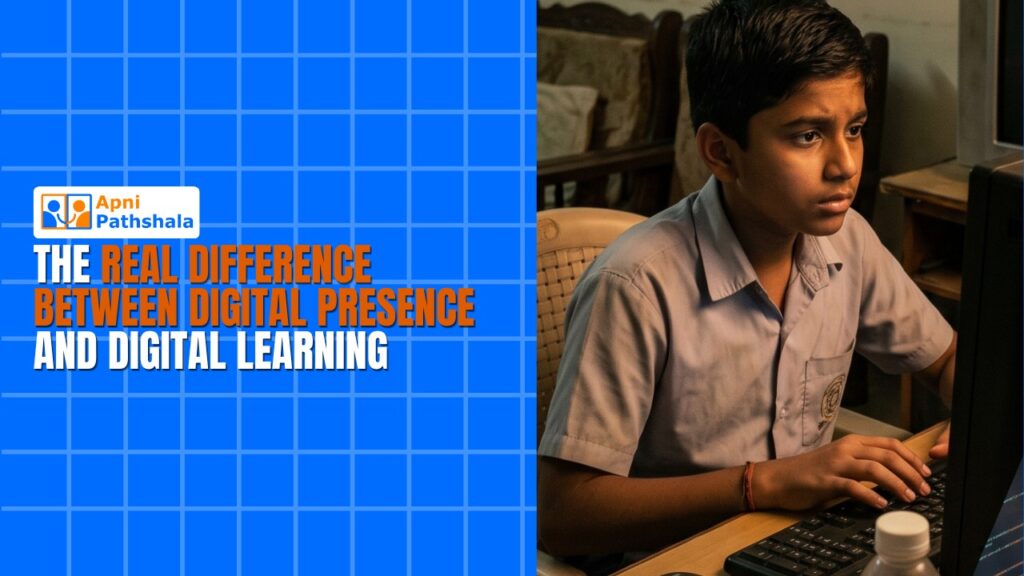
Many families in India have a smartphone at home. Their children scroll YouTube, use apps, and browse the internet. Parents often feel, “My child is digital now.” However, a more profound question arises: is your child digitally present, or are they actually learning? These two things look similar from the outside, but the gap between them can shape a student’s future. Digital learning for students is not just screen time; it is screen purpose.
Having a Device Is Not the Same as Learning
A child who watches three hours of YouTube every day is digitally present. A child who spends an hour on a structured lesson digitally learns by practicing problems and reviewing what they learned.
Digital presence means access. You have a device. You are online. You can open apps. But access alone does not build knowledge, skills, or confidence. It builds habits, but not always the right ones.
The online education benefits only arrive when students use technology with intention. When a child logs into a learning platform to revise a chapter, watches an explanation twice to understand a tough concept, or uses a keyboard to type out notes, that’s when real learning begins. Simply being online produces none of these benefits.
Many parents confuse the two because the activity looks the same from the outside: a child staring at a screen. But one child is consuming content for entertainment. The other is building understanding. One is passing time. The other is building a future.
Real digital learning has a goal, a subject, and an outcome, not just a screen.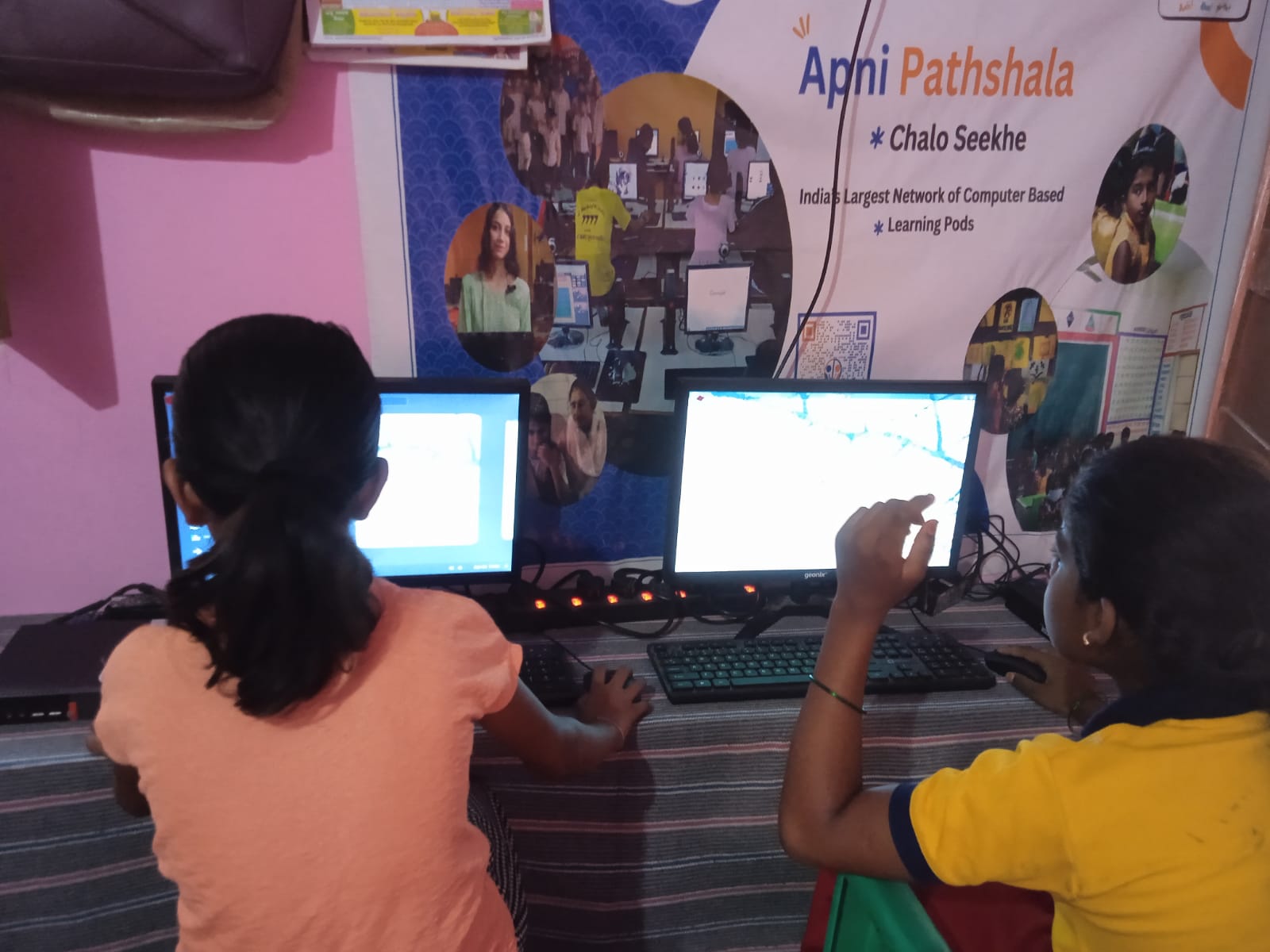
What Real Digital Learning Actually Looks Like?
Real digital learning is structured. It has a goal, a subject, and an outcome. A student opens a chapter, works through practice problems, and revisits what they did not understand. The technology supports learning, not the other way around.
Learning through technology works best when you meet a few key conditions:
- The student has a dedicated device they don’t have to share.
- Study sessions happen at a consistent time, free from notifications and interruptions.
- The content is linked to their school syllabus or a skill they’re actively building.
- Progress is visible through scores, completed lessons, or written notes
Each of these conditions is difficult to meet on a shared smartphone. When five or six family members share one phone, no one can study in peace. When Instagram and study apps live side by side on the same screen, focus collapses within minutes.
This situation is where the physical device matters more than most parents realize. A desktop or laptop placed on a proper desk with a full-sized keyboard changes how a student studies. It signals, “This is work time, not play time.” The environment shapes the mindset. And the mindset shapes the outcome. Discover more about how a personal computer helps students learn beyond what a shared phone can offer.
Why This Gap Matter for Indian Students Today?
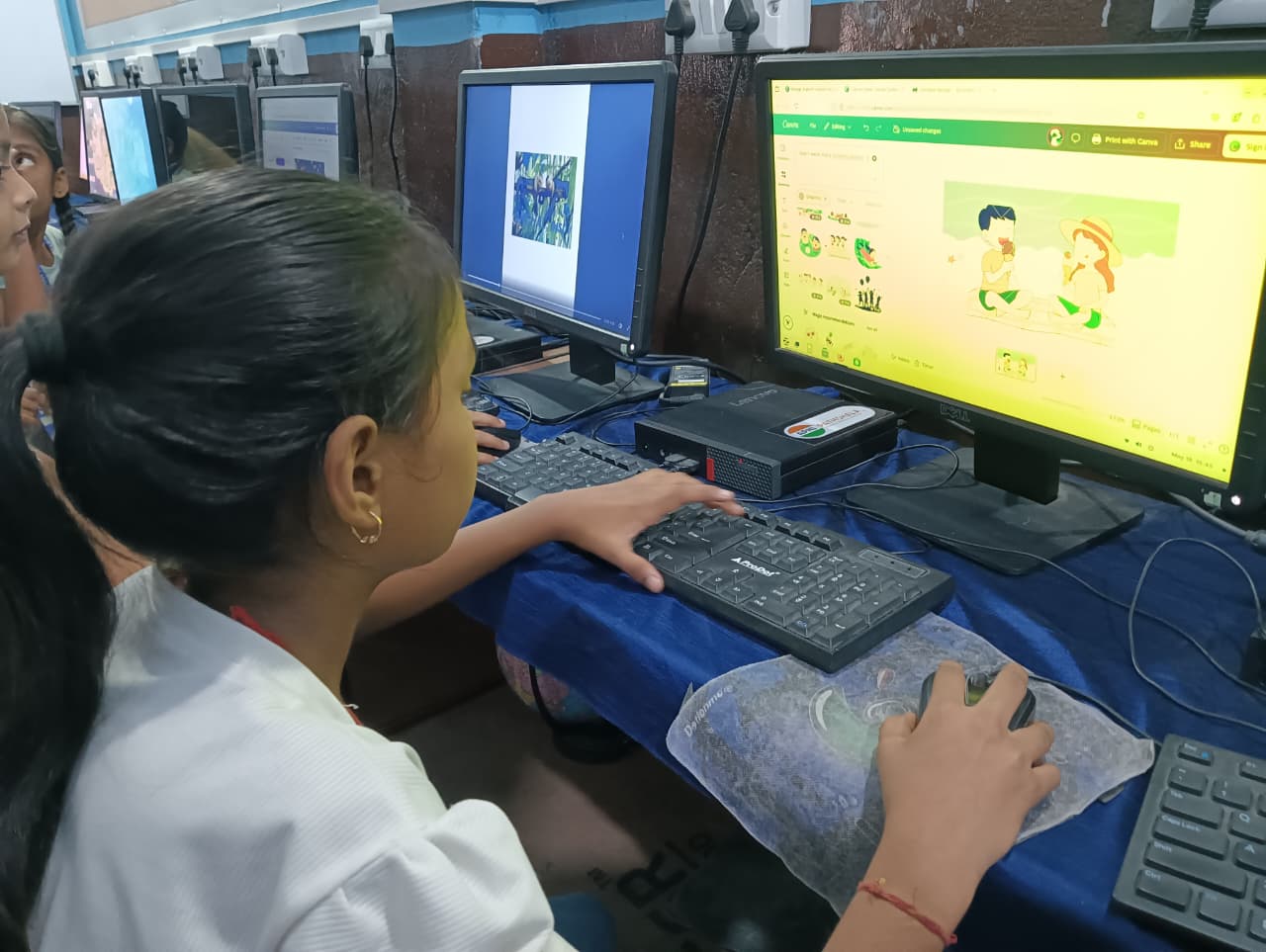
India is building an impressive digital education infrastructure. Platforms like DIKSHA, India’s national digital learning platform, offer free, curriculum-aligned content in multiple Indian languages. State boards have their own e-learning portals. NCERT provides digital textbooks and modules at no cost. The resources exist. The question is whether students can actually use them effectively.
Digital education in India is growing, but the gap between having internet access and truly learning through it remains wide. A student accessing DIKSHA on a small smartphone screen with poor battery life, surrounded by family noise, is not learning at the same level as one sitting at a proper computer in a quiet room.
UNESCO global education research consistently shows that learning outcomes improve significantly when students have reliable, consistent access to the right tools. The difference is not just access; it is the quality of that access.
Families in Tier 2 and Tier 3 cities are beginning to see the benefits clearly. Students who excel in competitive exams, acquire new digital skills, or gain confidence online often share one common factor: having a personal computer at home. Not a borrowed device. Not a shared phone. Their screen, their keyboard, and their own learning space.
Apna PC was built for exactly this gap. At ₹21,000 (shipping and GST excluded), it puts a full personal computer in the hands of Indian students who are ready to move beyond digital presence and into real, purposeful learning. Find out why the biggest advantage a student can have today has nothing to do with marks.
Your child doesn’t need more screen time; they need better screen time. Give them the device that makes real digital learning possible. Visit apnapc.com to learn more.