


Your child sits down to study. Five minutes in, a sibling calls out, the TV is on in the next room, and a phone buzzes on the table. By the time they refocus, the best part of the session is already gone. Study interruptions are one of the most overlooked reasons why students struggle to retain what they learn. Most parents blame the syllabus or lack of effort. But the real problem is far simpler and completely fixable.
Why Distractions While Studying Are More Damaging Than They Look
Most parents assume that distractions while studying are just a willpower issue, tell the child to focus harder, and think it’s solved. But that’s not how the brain actually works.
Every time a student is interrupted in the middle of a task, the brain doesn’t simply pause. The entire thinking process must be restarted from the beginning. Research consistently shows it can take anywhere from 10 to 20 minutes to fully regain the same level of concentration after a single break in focus. Now imagine three or four such interruptions in a two-hour study session. The child may technically sit for two hours, but the actual productive learning time could be well under an hour.
This isn’t a discipline problem. It’s a brain problem. And no amount of scolding or pressure fixes it if the root cause, constant interruptions, remains in place.
What Happens to Focused Learning for Students Who Study in Disrupted Environments
When a student is deeply engaged with a chapter or problem, their brain builds what researchers call a “working memory chain,” a series of connected thoughts that build on each other. A sudden noise, a question from a family member, or even the sound of a notification snaps that chain. The student has to go back and rebuild it, often from the beginning.
For students in Classes 3 to 9, this disruption is especially harmful. Their brains are still developing the ability to hold complex information and recover concentration quickly. Repeated breaks at this age can directly slow the growth of focused learning for students during a phase when concentration habits are being formed for life.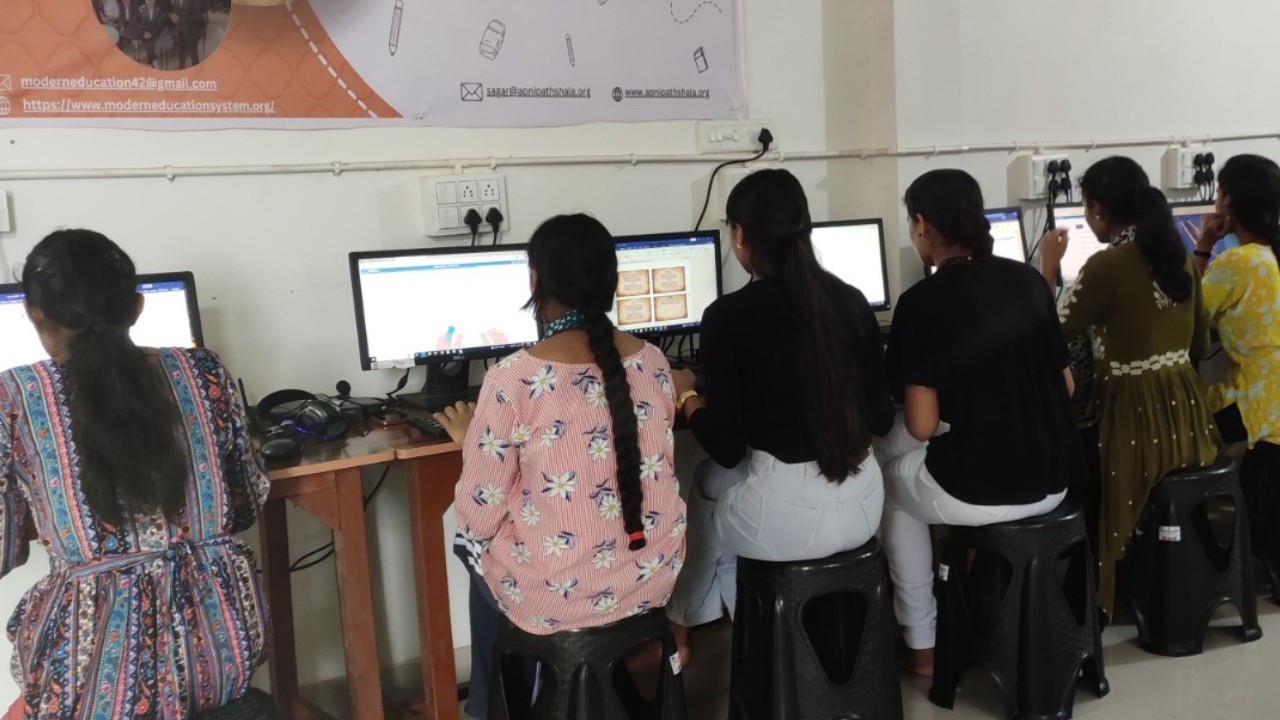
Over time, children who study in constantly disrupted environments begin to develop shorter attention spans, not because they’re careless, but because their brains have adapted to expect interruptions. They stay half-alert instead of fully absorbed. And that half-absorption is what shows up in exam results.
According to NCERT (National Council of Educational Research and Training), consistency and quality of home study time directly shape a student’s long-term academic ability, not just the number of hours spent studying.
The Learning Environment at Home Is the Missing Piece
Schools manage interruptions. They have a structure, bells, schedules, and rules that protect every student’s learning time. Homes usually don’t.
The learning environment at home is one of the biggest factors in academic performance, but it’s rarely discussed. A noisy shared space, limited furniture, unpredictable family routines, and, most critically, shared devices all break the continuity that real learning requires.
Shared devices are a particular problem. When a child has to use a parent’s phone or a sibling’s laptop, their study time is conditional. They can only study when the device is free. They rush through sessions because someone else needs it back. They worry about it being taken mid-task. That stress itself is a form of constant background interruption, even when the room is quiet.
UNESCO global education research highlights that stable, dedicated access to learning tools at home is one of the clearest predictors of student progress. Yet in millions of Indian homes, children still share a single device across the entire family.
The fix isn’t about silencing the household or restructuring family life. It’s about giving the child something consistent and theirs, a device and a space they know will be available when it’s time to study.
Small Changes That Make a Real Difference
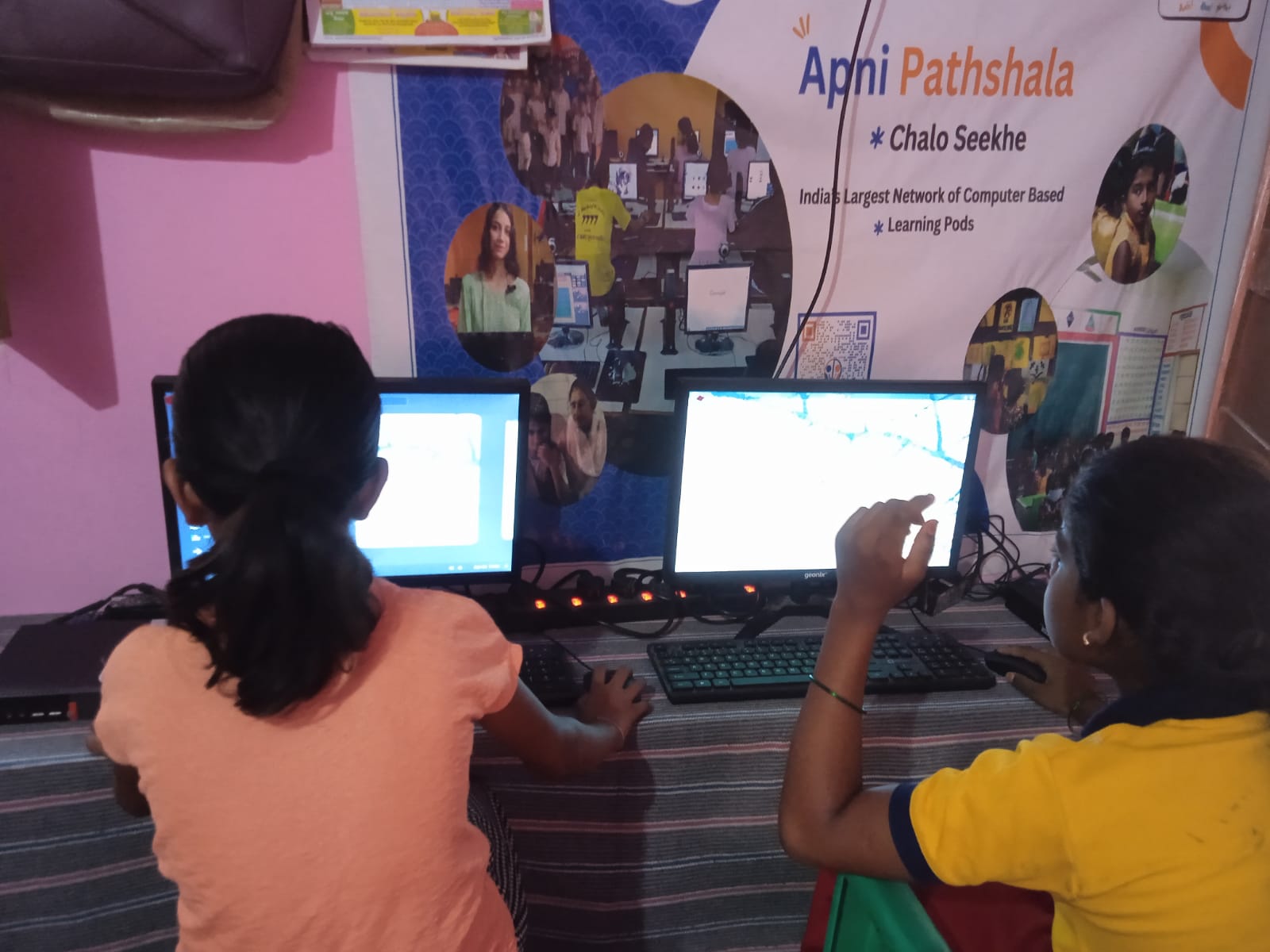
You don’t need a separate study room or expensive furniture to reduce study interruptions. A few practical steps can change the quality of your child’s sessions significantly:
-
- Set a fixed daily study time and make it a household routine; all family members respect it.
-
- Keep the TV and background audio off during study hours, even if the child is in a different room.
-
- Create a physical study corner; even a small dedicated spot signals to the brain that it is time to focus.
-
- Give the child their own device so they never have to wait, rush, or share mid-session.
That last point is often the most impactful. A child with their computer can plan their study time, take real breaks, and return to work without anxiety. They can learn at their pace, rewatching a lesson, pausing to take notes, and going deeper on a topic, without worrying about someone else needing the screen.
Understand more about how a personal computer helps students learn and why access matters beyond just the classroom. You can also read about The Hidden Cost of Not Having a Computer in 2026; the gap is bigger than most families realize.
If your child’s results aren’t matching their effort, study interruptions could be the hidden reason. Apna PC gives Indian students a personal computer built for everyday learning at ₹21,000 (shipping and GST excluded). Give your child an uninterrupted space to focus. Visit apnapc.com to learn more.