

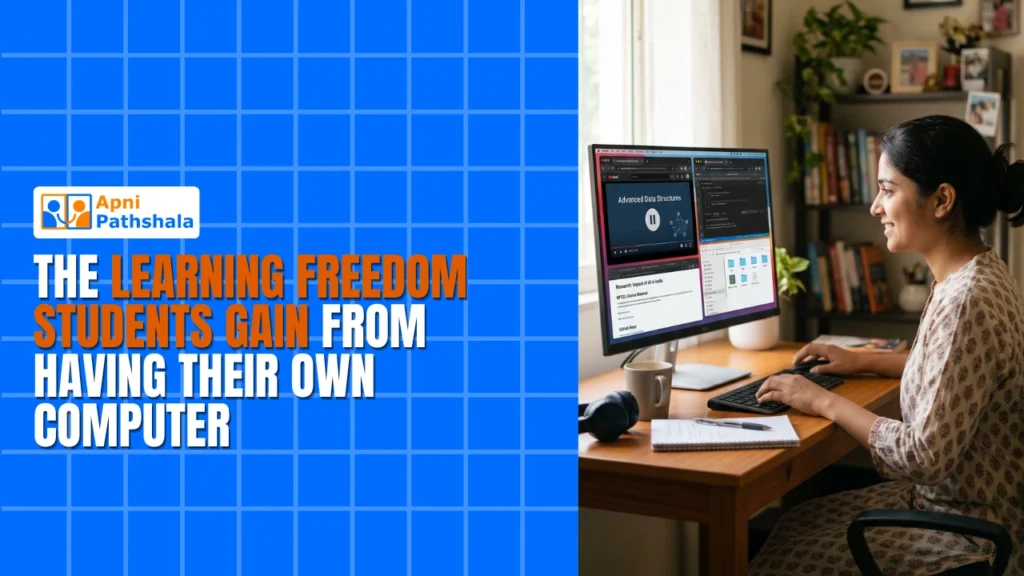
Every evening, thousands of students across India sit down to study, but half of them are waiting. They are waiting for the family phone to become available. Waiting for an older sibling to finish. Waiting for their turn on a shared tablet. A computer for students isn’t just another device. When a student has one of their own, something changes; they stop waiting and start learning. They build habits. They make progress that actually compounds.
What Owning a Personal Computer Really Changes for Students?
Learning from a shared device is learning on borrowed time. You don’t save your tabs. You don’t bookmark that video to rewatch later. You don’t install the practice app. You take what you can in the few minutes available and hand the device back.
A personal computer for students removes that pressure entirely. When a device belongs to a student, set up for their use, with their files and their bookmarks, they start treating learning like something they own, not something they squeeze in between other people’s schedules.
They come back to unfinished work. They revisit confusing chapters. They build study folders, keep notes organized, and return to exactly where they left off. That kind of continuity is what steady, meaningful progress is built on, and it is almost impossible to create when the device is always in someone else’s hands.
The Real Benefits of Computers for Students at Home
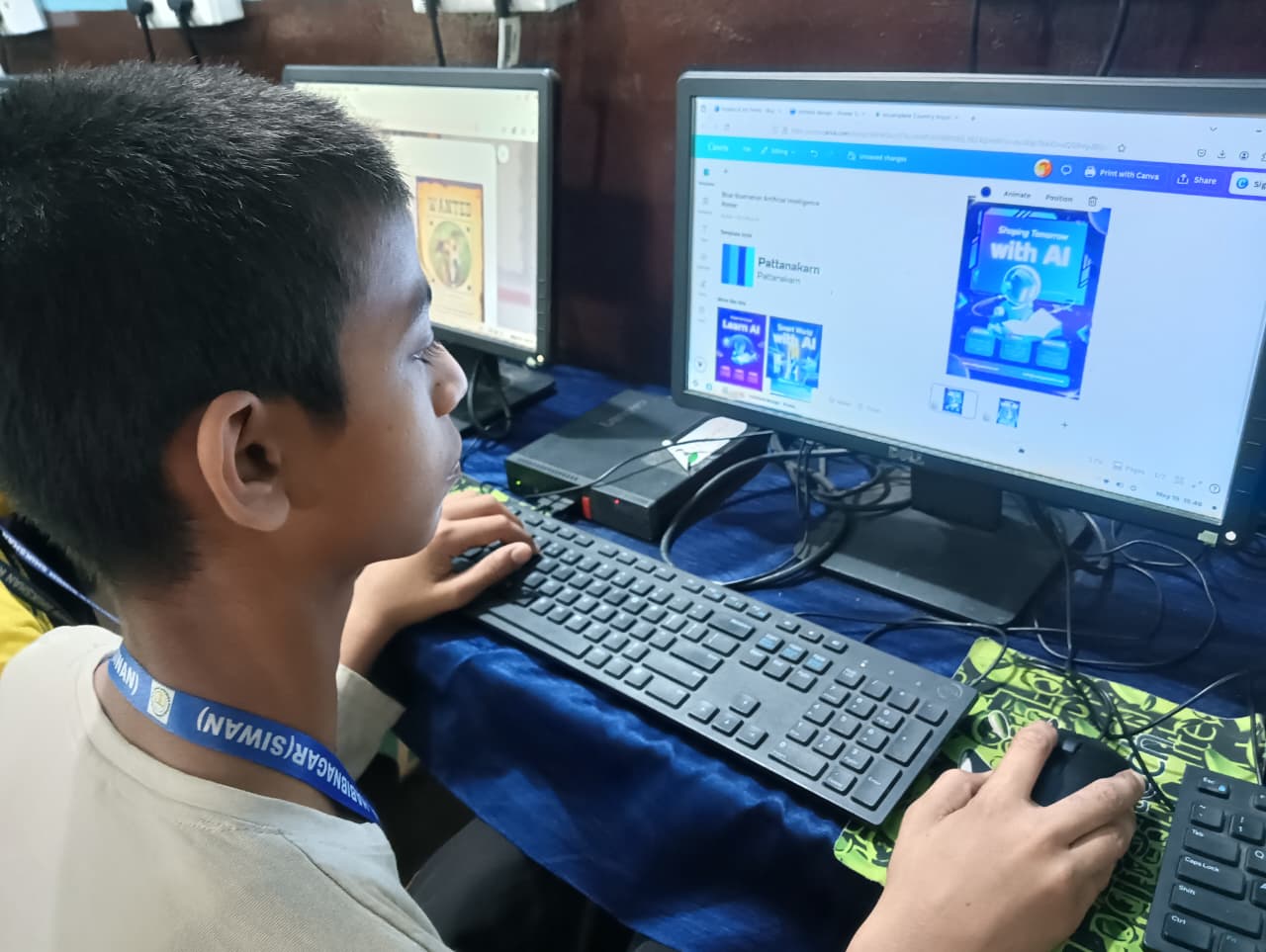
It is easy to think of a computer as a homework tool. It is that. But the benefits of computers for students stretch well beyond completing assignments on time.
Students with personal access tend to build skills that aren’t formally taught in school: typing, digital organization, navigating online resources, using productivity tools, and searching effectively. These aren’t bonus skills. They are the skills that matter in college entrance exams, job interviews, and every professional environment students will eventually enter.
Beyond academics, owning a computer provides students agency over their learning. They can explore topics they are curious about, practice at their own pace, and watch a lesson as many times as it takes. Nobody is watching the clock. Nobody is waiting for the device back. That freedom, to go deep into something without being interrupted, is where real understanding grows.
According to the UNICEF India education report, children with consistent access to digital learning resources show stronger academic outcomes over time, not because technology is magical, but because it removes the friction that keeps breaking their momentum.
Digital Learning Tools Work Best With a Dedicated Device
India is not short of free educational resources. DIKSHA, India’s national digital learning platform, carries thousands of curriculum-aligned lessons, video explanations, and practice materials available at no cost. There are typing tutors, mock test platforms, coding introduction courses, and digital libraries, all free, all online.
But digital learning tools are only as useful as the access a student has to them. A student who gets thirty minutes on a shared phone cannot build a learning habit on DIKSHA. They cannot finish a typing course, track their progress, or come back the next evening to pick up where they stopped.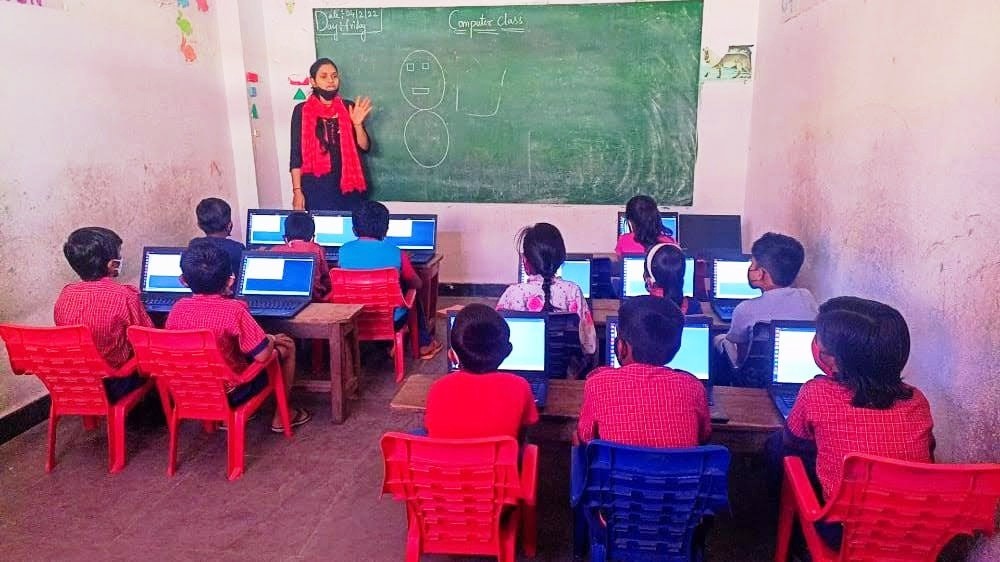
A personal device changes all of that. It transforms these tools from something a student occasionally visits into something they actually use consistently. The student can open a lesson at 8pm or 10pm, stay as long as the subject needs, and return to it tomorrow. That reliability is what turns free resources into real results.
Why Indian Families Are Making This Investment?
Parents in Tier 2 and Tier 3 cities are now weighing this decision more seriously than ever. The hesitation is understandable, a computer is a meaningful purchase, and families want to know it is genuinely worth it.
The honest answer is it usually is. The students who benefit most from a personal computer are not just the ones preparing for JEE or NEET. They are the everyday students in classes 6, 7, or 8, quietly building habits or not building them based on what tools are available at home when school ends.
Every year without consistent access is a year where a peer with a device is building skills, confidence, and familiarity with technology that compounds quietly in the background. The gap does not announce itself; it just grows.
Families asking “Why Every Indian Student Needs Their Own Computer” are already thinking in the right direction. And for those who want to understand what an affordable, purpose-built solution actually looks like, What Is Apna PC explains exactly how it was designed with Indian students and Indian families in mind.
Apna PC is priced at ₹21,000 (shipping and GST excluded), built to give every student the learning freedom they deserve. Visit apnapc.com to learn more.