

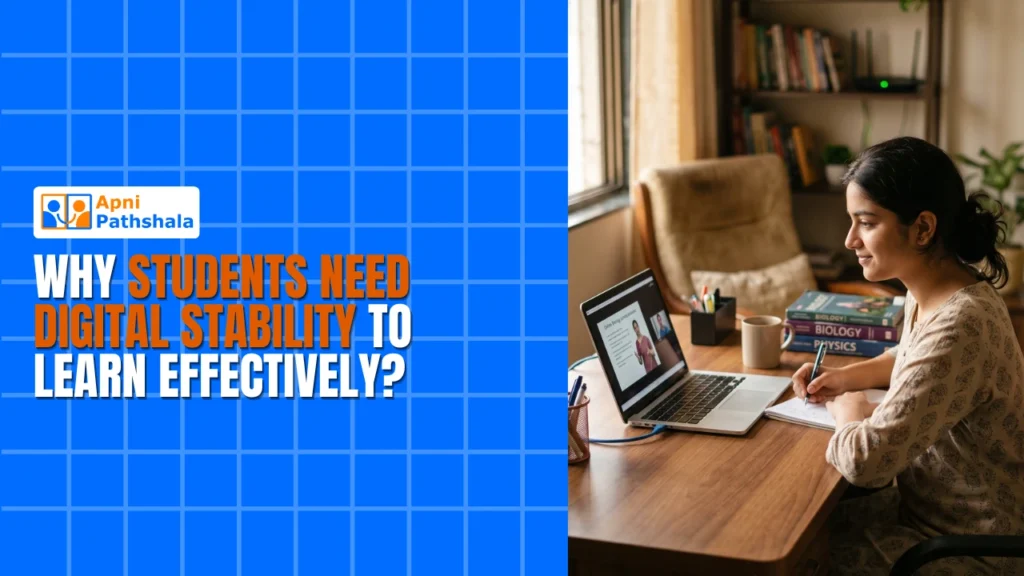
Riya is in class 9. She has internet access, technically. Her father’s phone has a data plan, and her school has a computer lab open twice a week. But the phone is needed for work calls after 7 PM, and the lab slot doesn’t always align with her homework. This is the reality most families don’t recognize as a problem until it is. Consistent digital access for students is not about whether a device exists somewhere nearby. It is about whether that device is truly available when learning needs to happen.
What Does Technology Access in Education Really Mean?
When people talk about technology access in education, they usually picture a student logging in to an online class or downloading a study app. That image misses what access actually requires: consistency, privacy, and reliability, all three, every single day.
A shared smartphone is not consistent access. A school computer lab open twice a week is not private access. A government digital center three kilometers away is not reliable access for daily evening study. These options exist, and they help, but they are not substitutes for a personal device a student can count on.
Real technology access means a student can:
- Open a learning platform at 6 PM without negotiating for a device
- Pause and replay a difficult lesson as many times as needed
- Save notes, track progress, and return to unfinished work the following day
- Practice skills without feeling rushed because someone else is waiting for the phone
When these conditions exist, students learn differently. They slow down on hard concepts instead of skipping past them. They revisit what they missed. They build study habits that grow stronger over weeks and months. Without these conditions, learning is reactive; students do what they can when they can and hope the gaps don’t show up on the exam.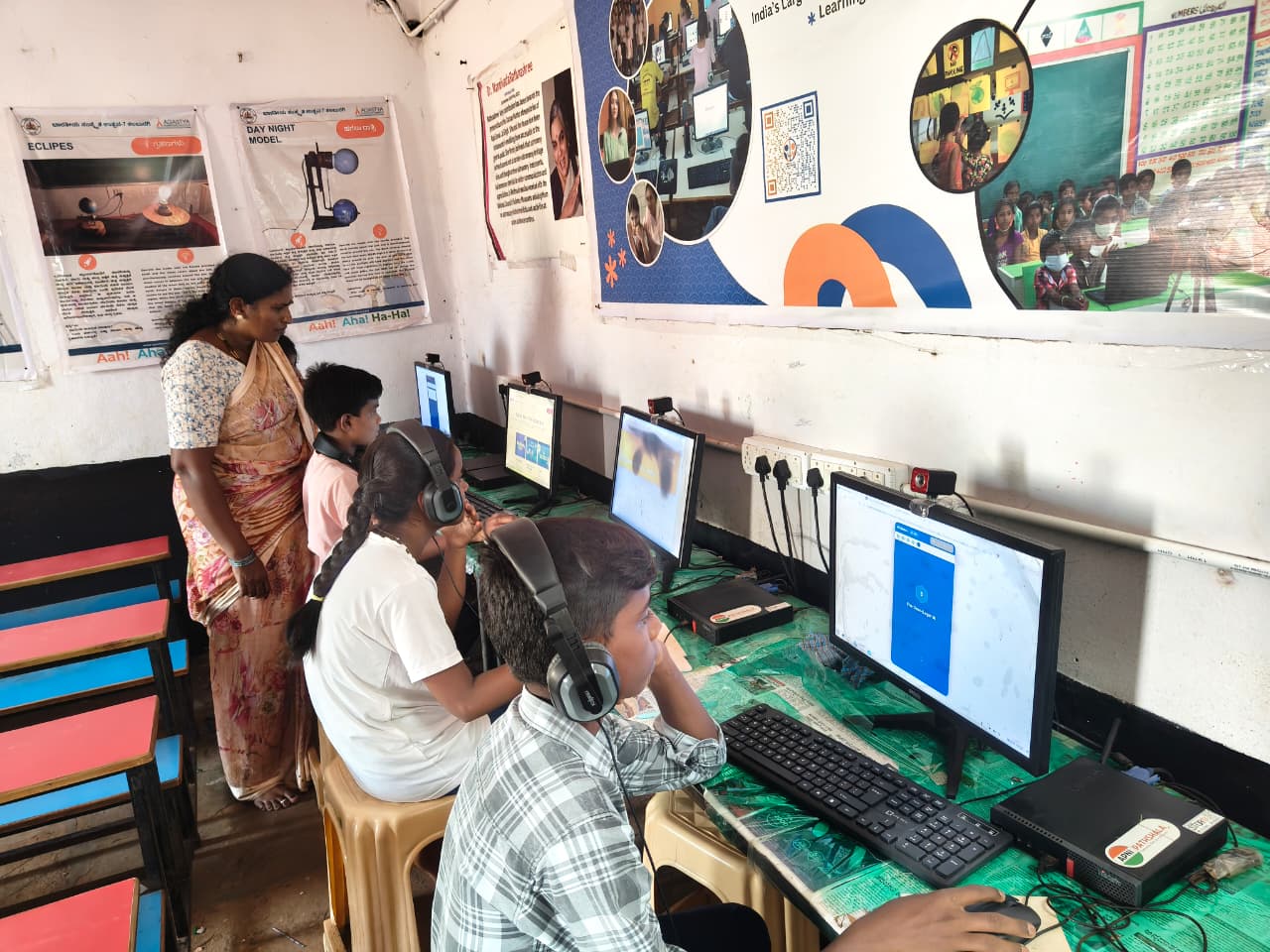
According to the Digital India initiative, expanding digital infrastructure across the country is a core national priority. Infrastructure-level access, broadband rollouts, public centers, and school labs are genuinely growing. But infrastructure access and personal access are two entirely unique things. A student who depends on shared infrastructure will always be at a disadvantage compared to one who has a dedicated device at home.
The Real Cost of Online Learning Challenges
Online learning challenges are often described as technical difficulties, poor connectivity, outdated devices, and app crashes. These are real. But the more profound problem is the instability that comes from not having a dedicated, personal learning environment to return to each day.
Here is what online learning instability typically looks like for a student without their own device:
- They start a lesson on a parent’s phone. The screen is small, reading is difficult, and taking notes is nearly impossible.
- Halfway through, a family member needs the phone for a call. The session ends without warning.
- The next evening, they try to continue from where they left off but can’t find the right video, and the momentum from the night before is gone.
- Over weeks, incomplete lessons pile up. The student begins to believe that online learning simply doesn’t work for them.
The problem was never the student. It was the environment they were trying to learn in.
UNESCO global education research consistently demonstrates that the environment strongly shapes learner persistence, or the ability to keep going through difficulty. Students who study in stable, predictable conditions persist longer and retain more. Students who study in unstable conditions do not struggle with intelligence. Continuity poses a challenge, but it can be addressed.
Building a Digital Learning Environment That Actually Works
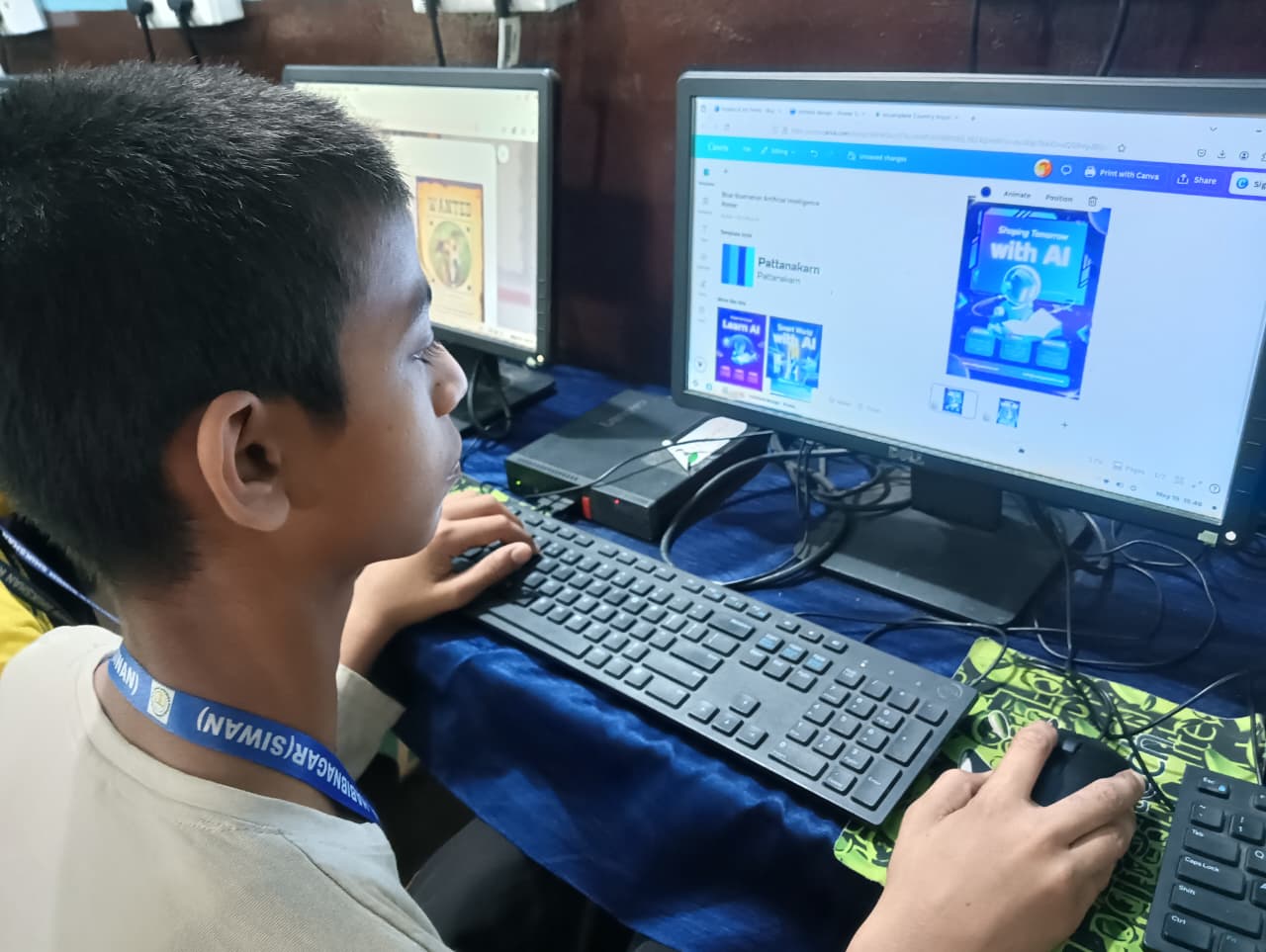
A stable digital learning environment is not complicated to create. It does not require expensive hardware or premium software subscriptions. It requires three things: a dedicated device, a reliable space to use it, and enough time each day to build a consistent routine around it.
When a student has their own computer, charged, ready, and waiting when they sit down, everything else follows more naturally. They know where their files are saved. They know which platforms they use and how to navigate them. They build a rhythm. Study becomes a daily habit rather than a last-minute scramble before school the next morning.
Small daily sessions on a personal device accumulate more quickly than anticipated. A student who spends 45 minutes every evening on structured practice, whether that is typing, reading, solving problems, or exploring a free learning platform, builds more real skill in a month than occasional access to a school lab can provide in a full term.
The biggest advantage a student can have today is not a high score; it is the capacity to keep learning independently, every day, without waiting for external help. That capacity is built through consistent access to the right environment at home.
What is Apna PC, and how does it create that environment? It is an affordable educational computer built for Indian students and families, priced at ₹21,000 (shipping and GST excluded). Designed specifically for Tier 2 and Tier 3 cities, it gives students a personal device that is always available, does not need to be shared, and does not depend entirely on internet connectivity to be useful. Students can access offline content, typing practice, assignment work, and free learning platforms every evening on a device that belongs to them.
Digital stability is not a luxury. It is the baseline condition that allows real learning to happen consistently. Visit apnapc.com to learn more.