

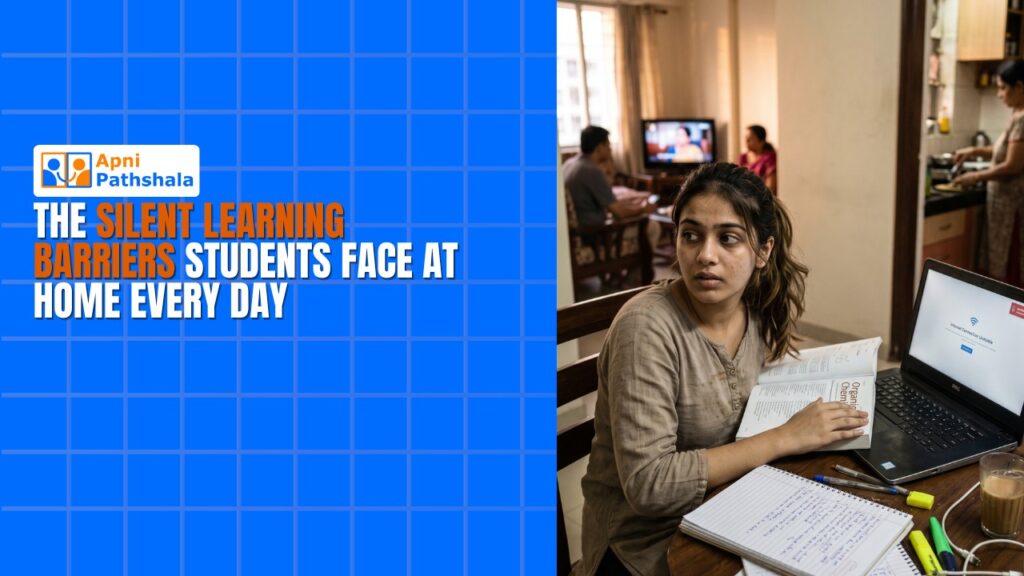
A student can sit in the same classroom as everyone else and still fall behind, not due to intelligence or effort, but because of what happens after school ends. The learning challenges that truly hold children back are often invisible in the classroom. They happen at home, in the quiet hours after 4 PM, when studying should be possible but often isn’t.
The Education Barriers Nobody Talks About
The conversation around education barriers in India usually focuses on what happens inside schools, teacher quality, classroom size, and curriculum design. These matter. But there is a quieter problem that rarely receives the same attention: the gap between a student’s ambition and their ability to act on it at home.
Consider what a student actually needs to study effectively in the evening. A quiet space. Adequate light. Study materials. Some way to look up what they don’t understand. And increasingly, a device that lets them access learning platforms, practice questions, and video explanations in their own time.
When any one of these is missing, studying becomes harder. When several are missing together, it becomes nearly impossible to keep pace with peers who have them all. This is not a story about laziness or lack of interest. It is a story of environment, and the environment is something families can change, given the right support.
According to the UNICEF India education report, a significant proportion of school-going children face home environment factors that directly reduce the quality of their learning time. These factors are structural, not personal, and structural problems respond to structural solutions.
What Student Learning Problems Look Like Every Evening?
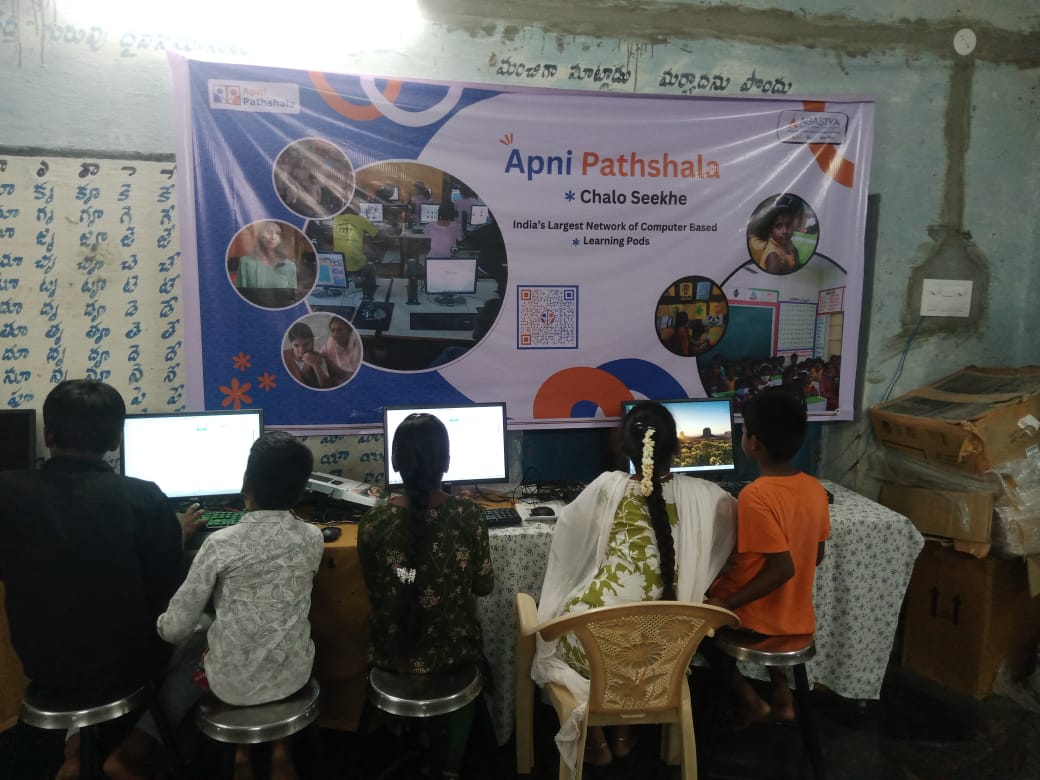
Student learning problems at home are often invisible to teachers and schools. The student shows up the next morning. They submit what they could complete. However, the events that unfold during those evening hours reveal a starkly contrasting narrative.
Here are the patterns that repeat across thousands of Indian homes every day:
- No personal device—a student waits for a parent’s phone to become free, shares it with a sibling, and then the battery dies before the homework is done.
- Noisy or cramped study spaces—studying at a kitchen table while dinner is being cooked or in a room shared by multiple family members with no room to concentrate
- No one to ask when stuck—when a concept isn’t clear, there is no teacher nearby and no trusted resource to check, so the student moves on with a gap they never fill.
- Broken schedules—power cuts, household responsibilities, or family needs interrupt the study routine before it can become a consistent habit.
- Eroding confidence—students who repeatedly can’t keep up quietly lower their expectations, not because they gave up, but because the obstacles feel permanent.
Each of these problems has a practical solution. But finding the solution requires acknowledging the problem first. Assuming that studying at home is solely a matter of willpower leads us to overlook the actual barriers, ultimately failing the students who are already doing their best.
Why Home Learning Challenges Shape More Than Just Grades?
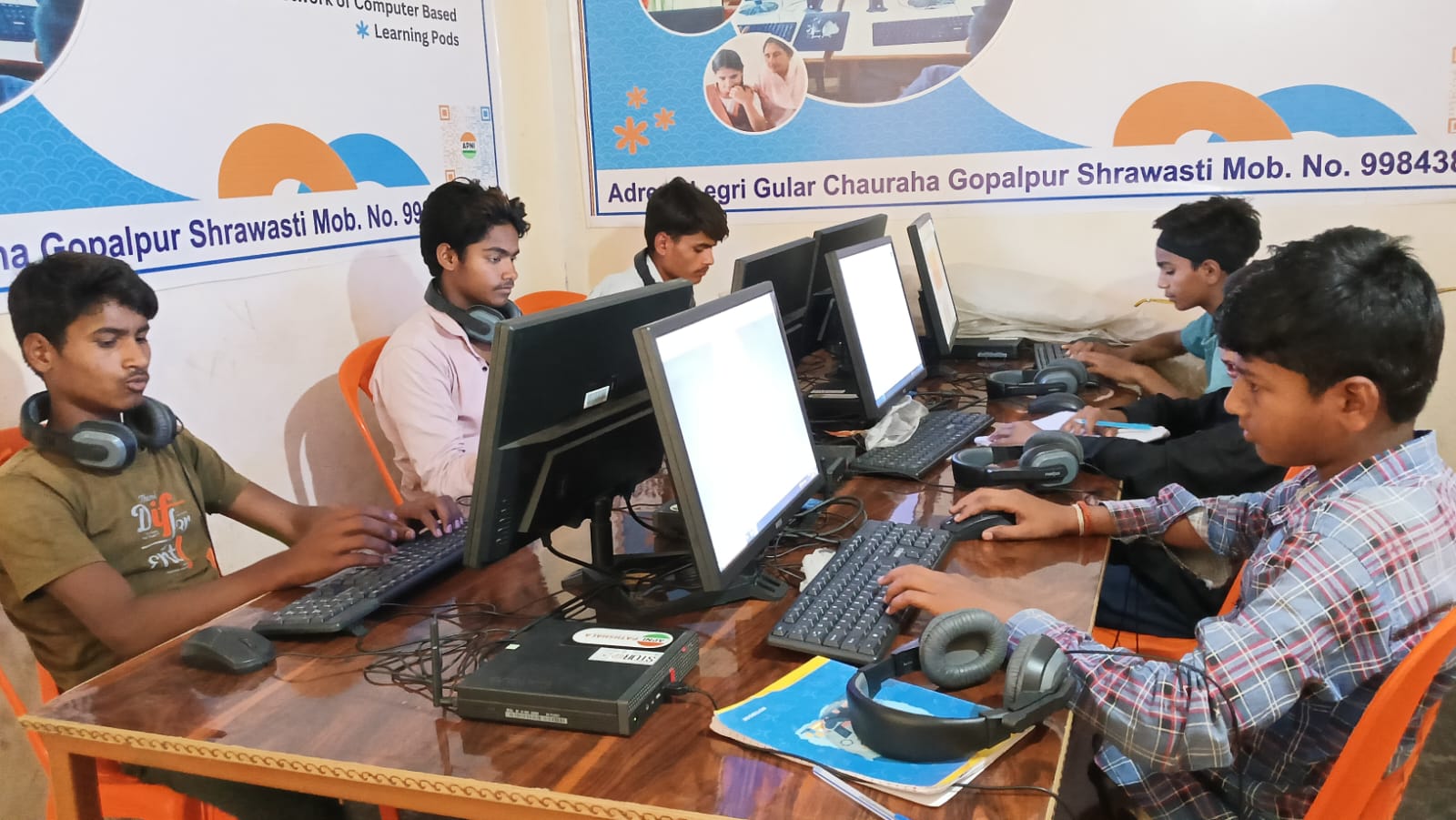
The impact of home learning challenges goes well beyond marks on a report card. Students who cannot study effectively in the evenings fall behind on foundational concepts. They start the next academic year already at a disadvantage. Over time, this disadvantage compounds in ways that are very difficult to reverse.
More importantly, students who repeatedly struggle at home begin to see themselves as less capable learners. They accept a lower ceiling for their potential, not because it is true, but because nothing in their daily environment has shown them otherwise. That shift in self-belief is the most damaging barrier of all.
NCERT (National Council of Educational Research and Training) frameworks increasingly recognize that learning happens in contexts, and that the home environment shapes student outcomes just as significantly as the school. Yet most education reform conversations stay focused on what happens inside classrooms and largely ignore what happens after the final bell.
Students who successfully navigate these obstacles often share a common factor: a supportive home environment that benefits them. One common factor is having a family member who reads with them. They also have a quiet corner with adequate light. A study schedule they can actually follow. And increasingly, a personal computer they can use whenever they need it, not whenever it becomes available.
This is why understanding why every Indian student needs their computer at home matters more than it might seem at first. It is not about technology for its own sake. It is about removing the friction that makes honest effort harder than it should be and giving students a reliable, personal space to learn on their own terms.
Apna PC was built for exactly this purpose. At ₹21,000 (shipping and GST excluded), it is an affordable, durable educational computer designed for Indian students and families in Tier 2 and Tier 3 cities. It does not replace the effort a student puts in. It removes the silent obstacles that make that effort harder than it needs to be. The hidden cost of not having a computer in 2026 is not just academic; it is the slow erosion of a child’s confidence, consistency, and potential.
Silent barriers deserve direct solutions. Visit apnapc.com to learn more.