


Why Students Forget Lessons So Quickly When Studying Online?
When you learn something new, your brain goes through a process called active encoding, converting that new information into a memory. This process needs time, focus, and repetition. But online learning, the way most students experience it today, breaks all three.
Consider a typical study session. A student opens a YouTube lecture on their phone. A WhatsApp message pops up. Someone in the house needs the phone back in 30 minutes. The video buffers twice. By the time the session ends, the brain has been interrupted so many times that it never fully processes what was heard.
This is the real online learning problem. It’s not the content. It’s the chaos around the content.
What Effective Online Learning Actually Looks Like?
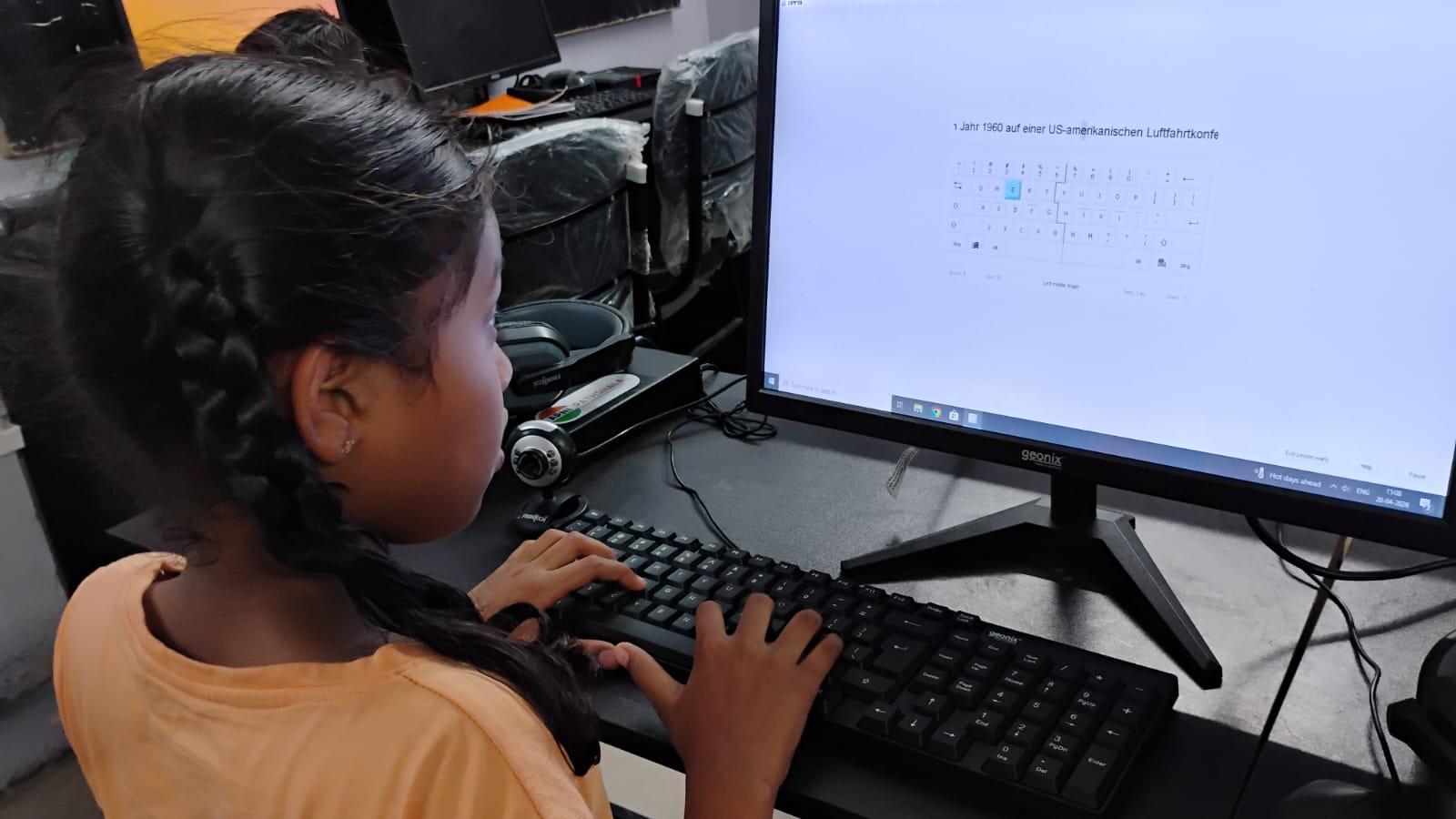
Effective online learning is not just about sitting in front of a screen; it’s about how deeply your brain engages with what it sees.
Students who retain information well don’t watch more videos. They engage differently with the ones they do watch:
- They break their sessions into 15–20 minute focused chunks, not 2-hour marathons.
- They pause often, to write a note, repeat a concept aloud, or solve a quick problem.
- They review the same topic more than once, spread across days, not cramming the night before
- They reduce visual distractions, a single focused window, not five open tabs.
- They use structured resources, such as NCERT (National Council of Educational Research and Training) materials, to reinforce what they’re learning.
The most important ingredient in effective online learning is consistency. And consistency is only possible when a student has reliable access to their own device, not a shared phone that disappears when someone needs to make a call.
Online Study Tips That Make a Real Difference
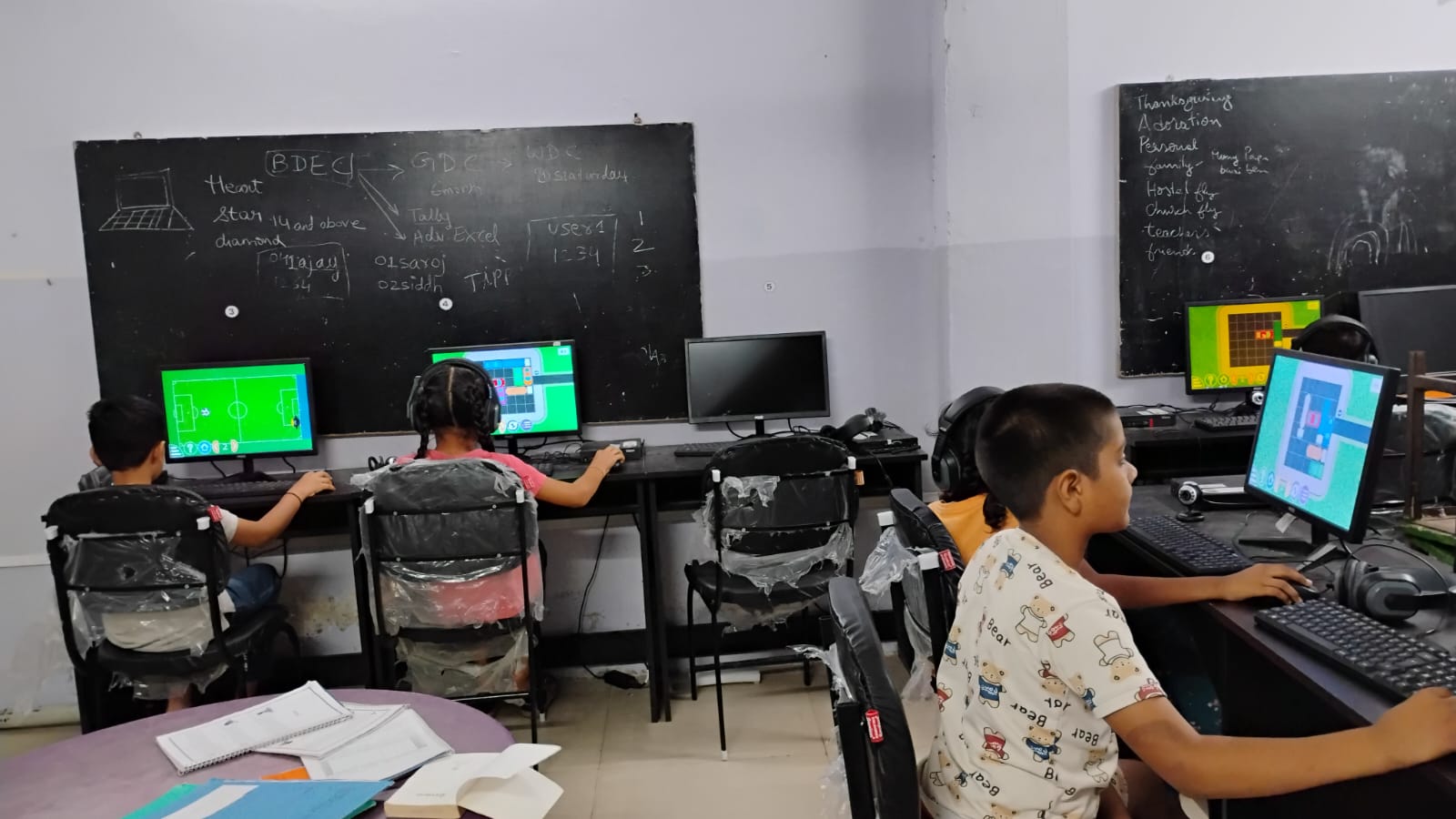
Most lists of online study tips for students assume the basics are already in place: a quiet space, a personal device, and a stable connection. For many Indian students, those basics are still missing.
1. Have your own device.
Shared phones mean broken focus. When a student has their own computer, they can pause, rewind, replay, and take notes on their own schedule, without anyone else’s timeline getting in the way. That alone changes everything.
2. Study in short, focused blocks.
Your brain absorbs more in three focused 20-minute sessions than in one three-hour passive stretch. After 45 minutes of screen time, concentration drops sharply. Take breaks. Come back fresh.
3. Review within 24 hours.
Research shows that we forget up to 70% of new information within a day if we don’t revisit it. A quick 10-minute review the next morning dramatically improves long-term retention.
4. Handwrite notes even when on screen.
Writing by hand forces your brain to process and summarise, which is exactly what creates lasting memory. Don’t just type. Write.
5. Download content for offline study.
Buffering kills focus. Downloading lessons in advance removes that frustration and lets students study even when the internet is slow or unavailable.
These are the habits that work. But they work best when the right tools are in place. You can learn more about how a Personal Computer Helps Students Learn and why The Hidden Cost of Not Having a Computer in 2026 is higher than most families realise.
Apna PC gives Indian students a personal, affordable computer built for learning, at just ₹21,000 (shipping and GST excluded). No shared screens. No distractions. Just a reliable device that supports real study habits every single day.