

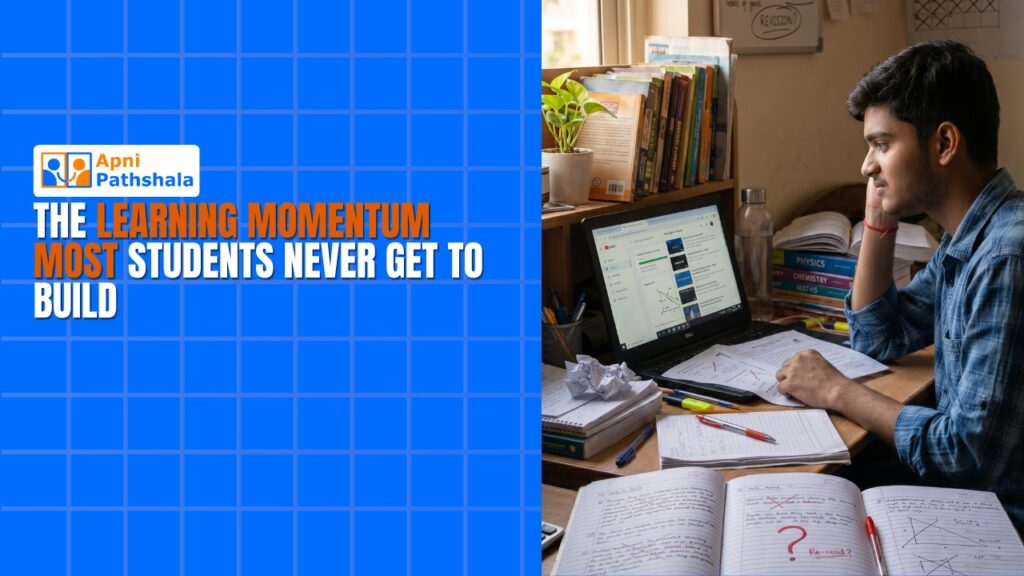
There is a kind of student who studies every day without anyone pushing them. Not because they are exceptionally talented, or because school is easy for them, but because they have built something most students never get the chance to build: momentum. Studying student motivation is not about willpower or inspiration. It is about what happens when learning becomes a rhythm and that rhythm stops breaking.
What Learning Momentum Actually Is and Why Most Students Never Build It?
Momentum in learning works exactly the way it does in sports. The more consistently a student practices, the easier it becomes to sit down and study the next day. The first few days are the hardest. But once a routine is running, it starts carrying the student forward on its own.
The problem is that most students never get far enough to feel this. They study for two or three days, something interrupts, a family event, a shared device that is unavailable, noisy surroundings, and they have to start all over. Every restart costs energy. And every reset makes the next one feel harder.
Consistent learning habits are not built solely through discipline. They are built through an environment that allows consistency. When a student can sit down at the same time, in the same place, with the same device, every single day, momentum builds naturally. Without that stable environment, even the most motivated student will keep stalling.
According to the Digital India initiative goals, equipping students with personal digital access is central to building a generation that can learn, grow, and compete, not just in metro cities, but across every district and block of the country.
How a Routine Creates Real Student Learning Improvement
An effective study routine does not have to be complicated. In fact, the simpler it is, the more likely it is to stick. What matters most is that it repeats, same time, same sequence, same space. This repetition trains the brain to enter a focused state faster each day.
Student learning improvement does not come from studying more hours. It comes from studying more consistently. A student who puts in 40 focused minutes every evening will outlearn a student who studies for 3 hours once a week. The daily student is building memory pathways. The weekly student is always starting fresh.
Here is what an effective study routine looks like in practice for most Indian school students:
- Review the previous day’s notes for ten minutes before starting anything new.
- Work on the hardest subject first, while focus is sharpest.
- Take a short break, five to ten minutes, after every forty minutes.
- End the session by writing down three things learned that day.
This kind of structure builds clarity and confidence over time. But it only works when a student has a reliable device they can use without interruption. You cannot build a routine around a shared phone that might disappear mid-session.
UNESCO global education research consistently shows that students with access to personal learning tools perform better academically and develop stronger long-term learning habits than those who rely on shared or borrowed devices.
Why Indian Students Struggle to Build This Momentum at Home?
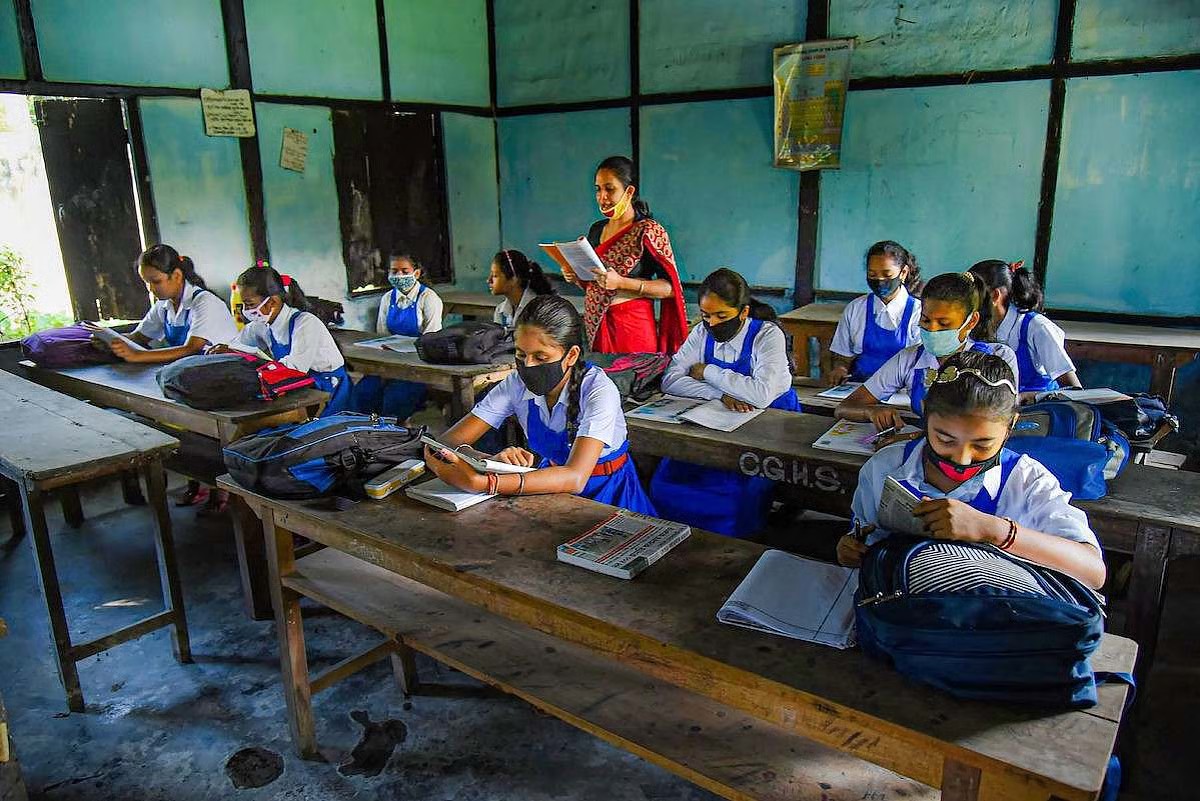
In many Indian households, especially outside major cities, the reality of study time looks very different from what the school expects. A student comes home, finishes household responsibilities, and then tries to find a quiet corner and a free device to study. Some nights it works. Many nights it does not.
The device is being used by a sibling. The phone battery is dead. The internet connection dropped. Someone needs the table. By the time everything is ready, the student has lost thirty minutes and the mental energy to study deeply.
This is the hidden reason why so many bright students fall behind. It is not a lack of effort. It is the constant friction of not having a reliable setup. As explored in How a Personal Computer Helps Students Learn, a dedicated device removes all of that friction and lets the student focus on the one thing that matters, actually learning.
The cost of this friction compounds every year. As detailed in The Hidden Cost of Not Having a Computer in 2026, students without personal devices consistently fall behind peers who have reliable digital access, not just in grades, but in confidence, opportunity, and readiness for life after school.
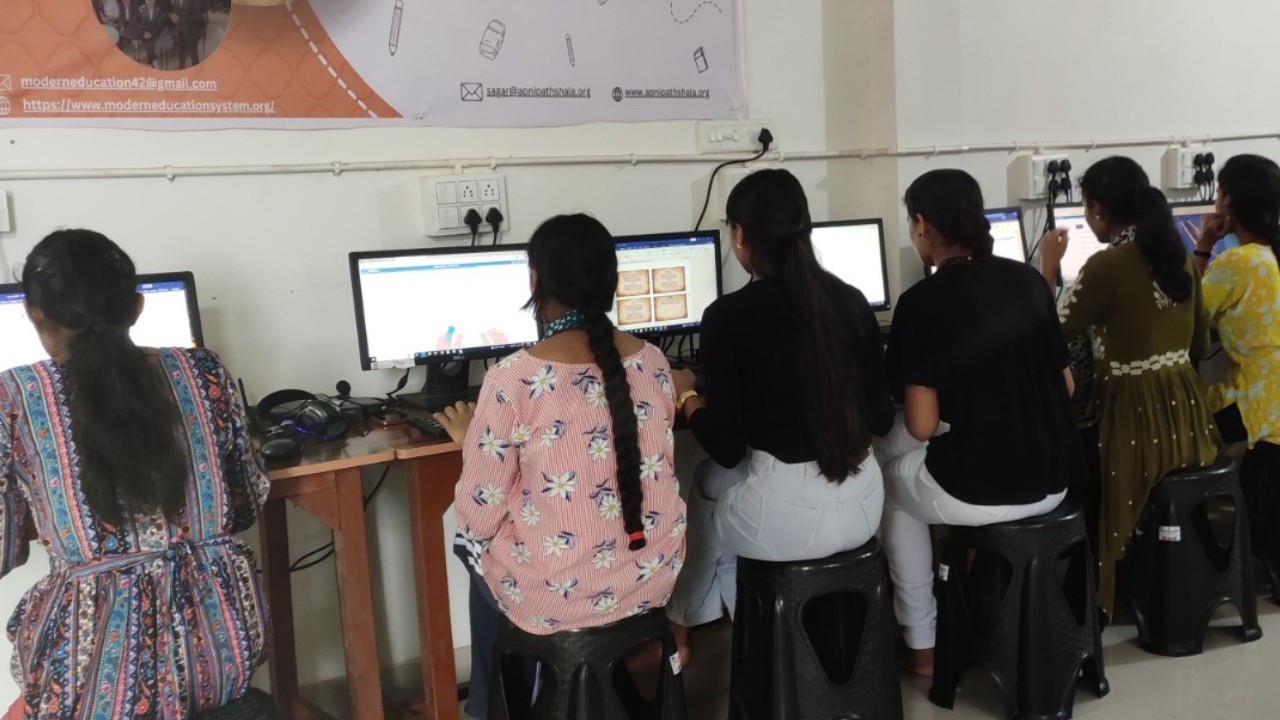
Apna PC was built for exactly this situation. At ₹21,000 (shipping and GST excluded), it gives a student their own space to build the kind of daily momentum that changes the trajectory of their education. When the device is always there, the routine holds. When the routine holds, the improvement is real and lasting. Visit apnapc.com to learn more.